



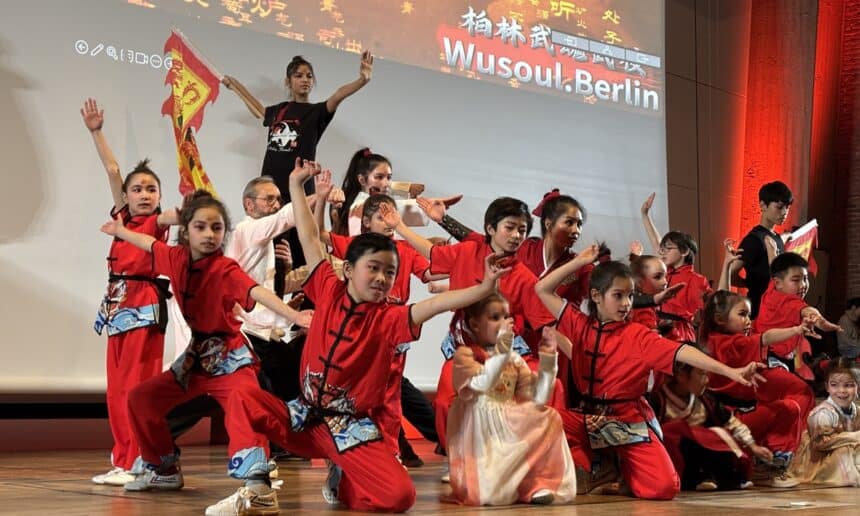
BEIJING – For millions of people in China, Chinese New Year’s Eve begins the same way: a long journey home, a table slowly filling with dishes, and conversations that stretch late into the night. It’s the one evening of the year when distance shrinks – between cities, generations, and busy lives.
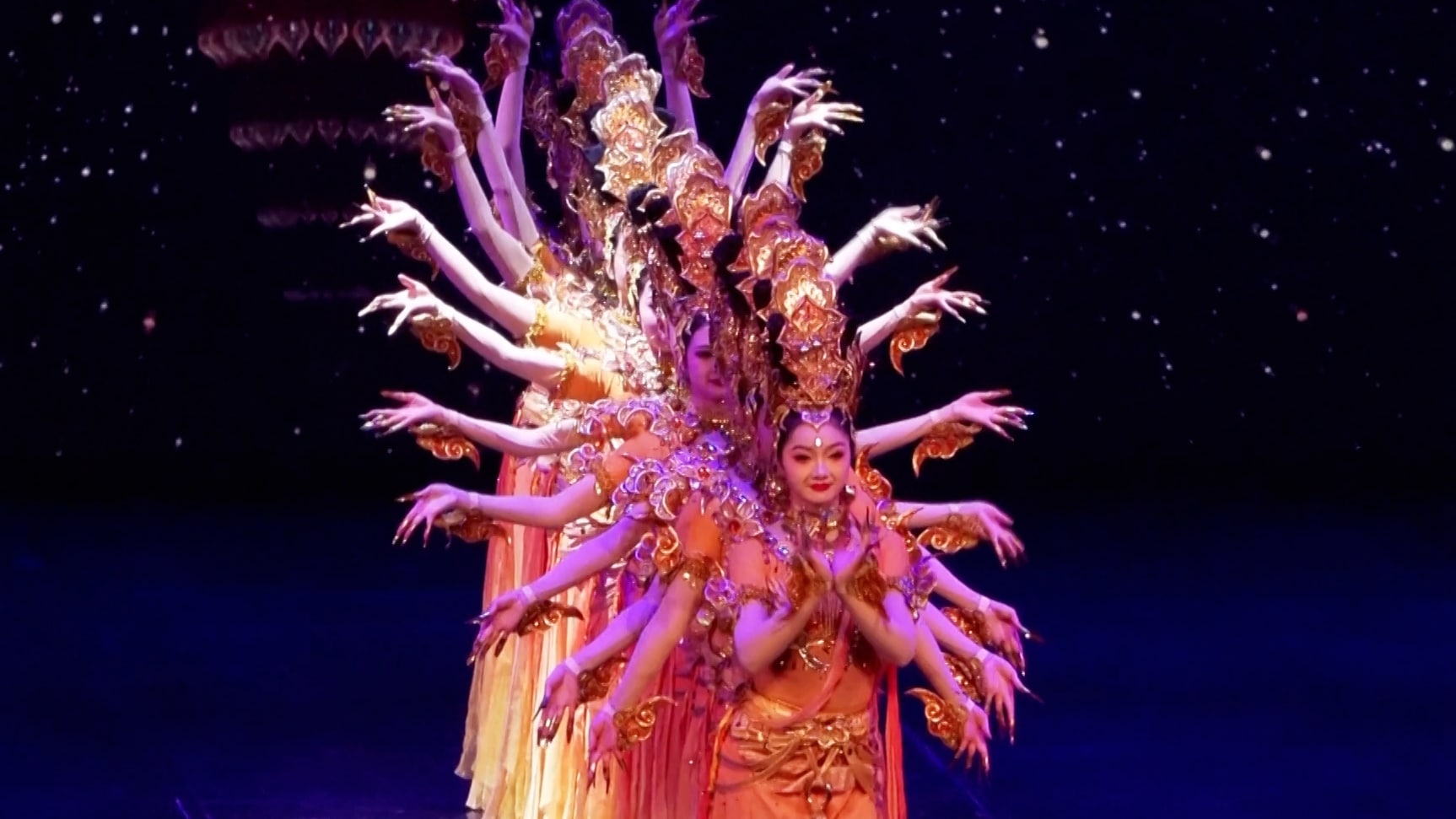
Then, at 8 p.m., something else happens. A familiar opening melody fills living rooms across the country. The Spring Festival Gala begins. This live television show, broadcast every Chinese New Year’s Eve since 1983, is recognized by Guinness World Records as the most-watched annual television program on the planet.
The gala of music, laughter, and performing arts reaches far beyond China, lighting up screens from airports to shopping centers in over 80 countries. Hosted by China Media Group, the Spring Festival Gala has evolved into a cultural lens, reflecting China’s economic growth, technological innovation, social change, and expanding global engagement.
China’s Four Cities, Four Dimensions of the Country
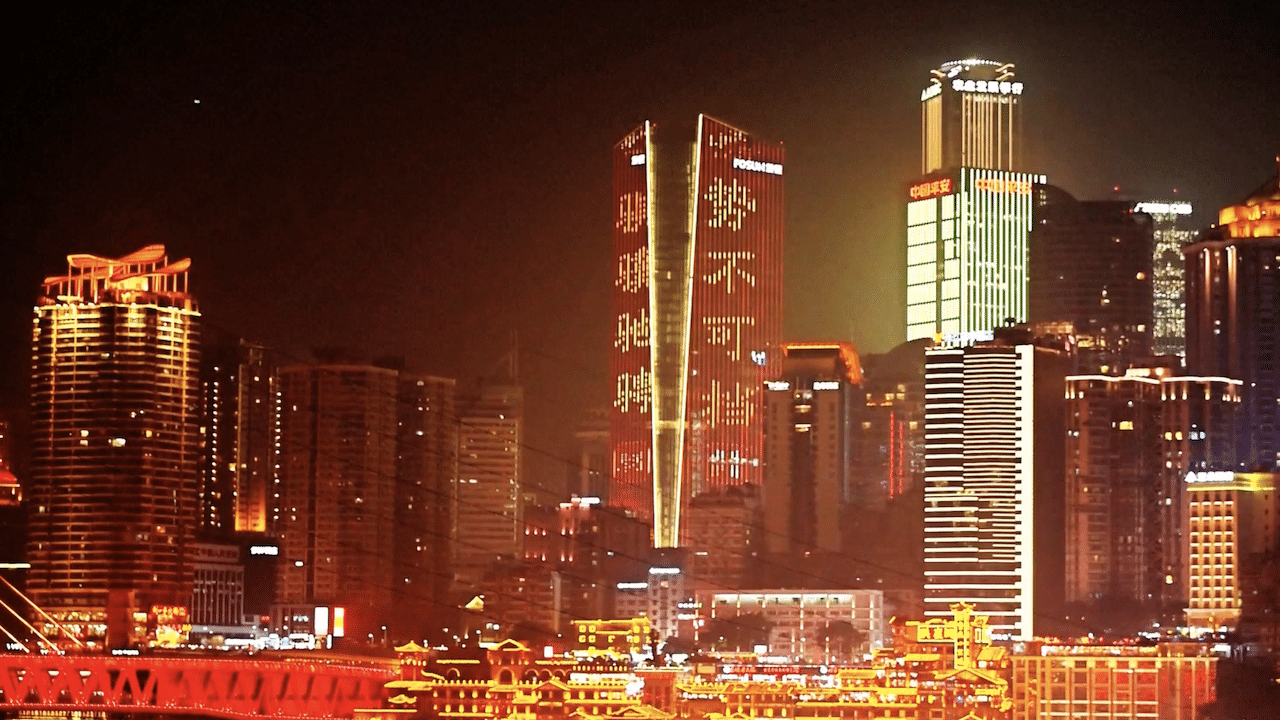
While Beijing hosts the main stage, the Spring Festival Gala these years extends its stage to some other cities, each selected to represent a distinct pillar of China’s development. Through performances rooted in local culture, the gala turns geography into storytelling, offering audiences a panoramic view of how the country’s economy, technology, sustainability efforts, and everyday life are evolving.
This year’s four cities, Hefei, Yiwu, Yibin, and Harbin, each tell a unique chapter of that story.
Hefei, one of China’s fastest-growing tech hubs, takes the spotlight for its innovation-driven growth. Last November, the city’s municipal annual tech gala went viral online when 10,000 drones lit up the night sky in a breathtaking display.
The drones formed dynamic shapes, from quantum satellites to local-style opera figures. Guided by AI calculating millions of positions with centimeter-level precision, they moved in perfect harmony across the sky.
Hefei’s innovations are also making a global impact. At Saudi Arabia’s Alshubah Photovoltaic Power Plant, 5,000 smart robots cleaned the 53-square-kilometer facility, equivalent to about 7,700 football fields, in just two and a half hours.
Yiwu, often described as a miniature version of China’s trade engine, is celebrated for its speed, adaptability, and global reach. Preparing for demand linked to festivals, sporting events, or major holidays at least half a year in advance is routine. What sets this city apart is how it responds when demand comes without warning. In 2022, when Germany faced an energy crisis, Yiwu suppliers rapidly increased exports of heating products to meet urgent needs.
The city’s efficiency is underpinned by infrastructure like the China–Europe Railway Express, which connects Yiwu products to more than 160 cities across 50 countries. Upgrades to smart systems in 2025 further accelerated goods transport, reducing cargo loading and inspection times by half.
Digital toolhavere also reshaped the market. An AI-assisted application allows traders to create high-quality product designs more efficiently. What once required eight designers working for ten days to produce 100 designs can now be accomplished within minutes.
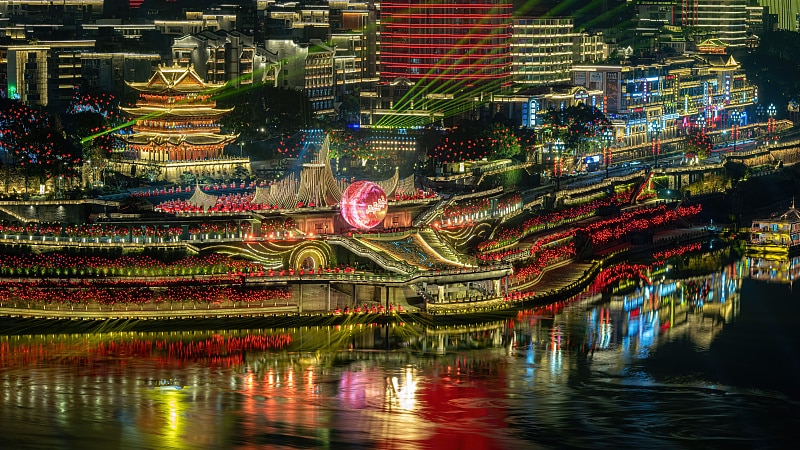
Yibin’s story is one of transformation. In the 1980s, the city was dotted with polluting enterprises, such as coal plants and thermal power facilities, which produced more than 40,000 tons of pollution and put local species at risk. With two rivers flowing into the Yangtze, the city’s growth plays a crucial role in protecting the river’s vulnerable ecosystem.
Four decades later, Yibin offers a striking contrast. The once heavily polluted city has transformed into a major city for clean-energy manufacturing, particularly for power batteries. Currently, one in every ten power batteries used worldwide in electric cars, boats, and even airplanes is produced in Yibin. This green-industrial development is helping society move toward a more sustainable and electrified future.
Harbin, known as China’s ‘Ice City,’ represents the country’s vibrant ice and snow economy, valued at over $23 billion in 2024, roughly 16.5 percent of the national winter tourism and recreation market, according to a government report.
Recently recognized by the World Tourism Organization as a World Outstanding City for Ice and Snow, the city hosts international ice and snow festivals that draw visitors from around the globe. Towering, illuminated ice sculptures, accompanied by opera and figure-skating performances, create an immersive winter wonderland experience.
Building on its long history of industrialization and technological innovation, Harbin has exported both its expertise in ice and snow landscape design and its portable ice-making equipment to countries such as Kazakhstan and Saudi Arabia.
Four cities, four stories of China’s progress, bringing to life the country’s strategic priorities. The Spring Festival Gala uses AI and extended reality (XR) to transform its stages into immersive worlds, letting viewers step into these cities virtually and experience firsthand the innovation, trade, green development, and cultural vibrancy shaping the country today.
A Firsthand Look at Tech That Will Shape Daily Life
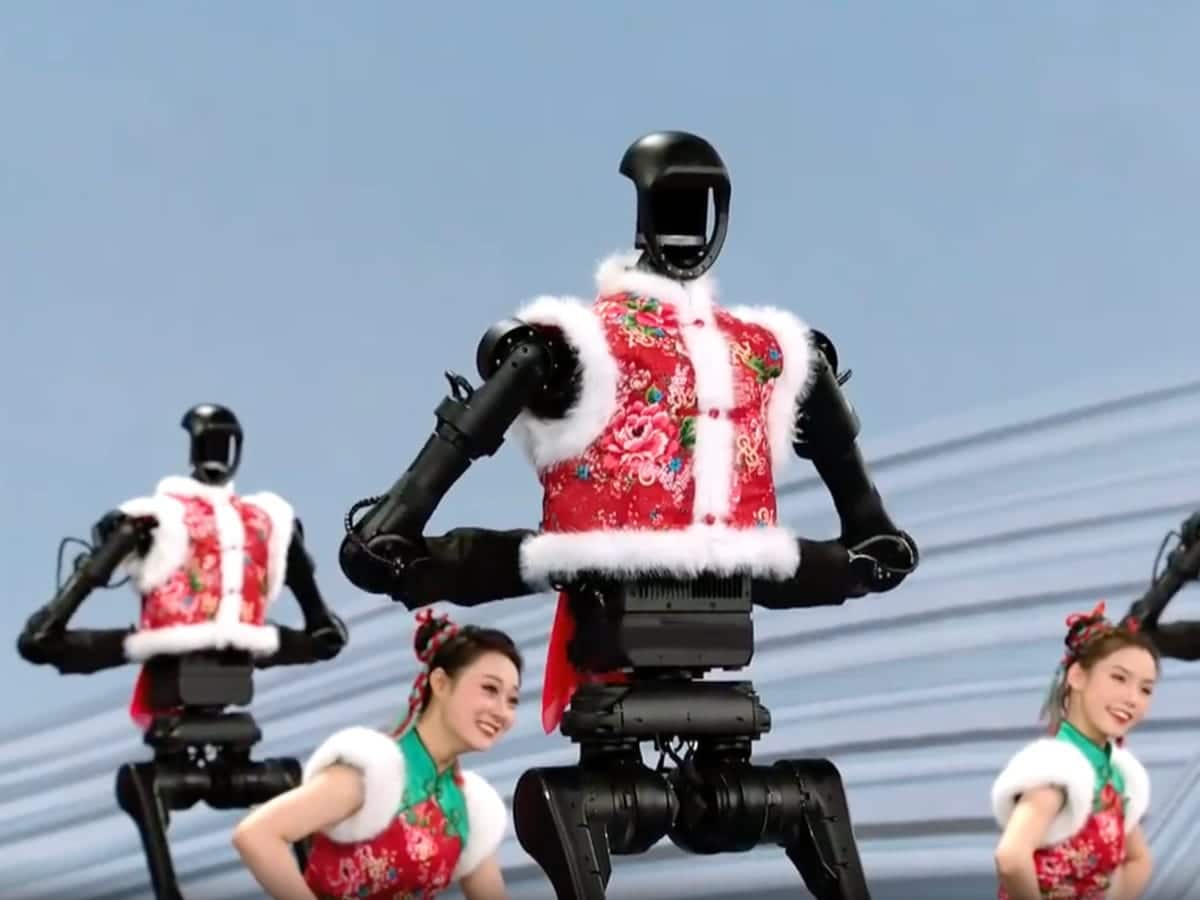
The Spring Festival Gala has become a national testing ground for new technology.
Giving red envelopes filled with cash to children is a cherished Chinese tradition. Leveraging this custom, tech companies have integrated their digital tools into the gala, creating interactive experiences that let viewers engage in the tradition in entirely new ways, all thanks to the gala’s massive audience and online reach.
In 2015, WeChat unveiled its payment feature at the gala, allowing viewers to “grab” digital red envelopes by shaking their phones. That night, around 200 million users linked their bank cards with the application for the first time, learning more about mobile payments and discovering a practical new way to manage money in their everyday lives.
The following year, Alipay invited audiences to scan the on-screen “Fu” character, meaning prosperity and luck, during the gala to grab digital red envelopes. Through this interaction, millions discovered a new way to handle daily life tasks, from paying utility bills and managing digital IDs to hailing cars.
Later, short-video platforms joined the gala. This year, ByteDance’s Volcano Engine, the cloud AI platform behind the Chinese version of TikTok, will take center stage. Its AI model, Doubao, is to help with performance design, content creation, and interactive games.
Over the past five years, Volcano Engine has helped stabilize gala live streams across multiple platforms and seamlessly handled millions of digital red-envelope interactions.
Through these innovations and integration, the Spring Festival Gala isn’t just entertainment, but a hands-on showcase of digital life, helping millions discover practical tech functions and experience the possibilities of new technology in a fun, interactive way.
Bridging Cultures Through Celebration
For audiences outside China, language can often be the first barrier to understanding the Spring Festival Gala. CGTN’s Super Night is designed precisely to lower that barrier — and, in many cases, remove it altogether.
Since 2022, CGTN has produced Super Night, a special Spring Festival program created specifically for international audiences. Rather than simply rebroadcasting the domestic gala, Super Night reimagines it through a global lens.
Some performances are dubbed by English-speaking voice actors, others are presented with carefully crafted English subtitles, and many are accompanied by hosts who explain cultural references, humor, and symbolism in real time. For international viewers unfamiliar with Chinese traditions, these explanations turn what might feel distant or confusing into something welcoming and enjoyable.
Super Night also features additional performances designed especially for non-Chinese audiences, blending Chinese cultural elements with global music, dance, and storytelling styles.
If language feels like a wall, Super Night offers a doorway.
Through CGTN’s multilingual television, digital video, and podcast platforms, the program reached audiences in more than 200 countries and regions last year — allowing viewers around the world to experience the spirit of the Spring Festival in a way that feels accessible, engaging, and human.
Through immersive stages, AI-powered interactions, and traditions reimagined for the digital age, the Spring Festival Gala allows audiences to experience China. More than a performance, it serves as a bridge between generations, a window for global viewers, and a vivid demonstration of how culture, technology, and national development intersect.
Author: Chen Ziqi, CGTN
Trending News:
Keeping One-5th of Humanity Warm: Inside China’s Winter Energy Stress Test