



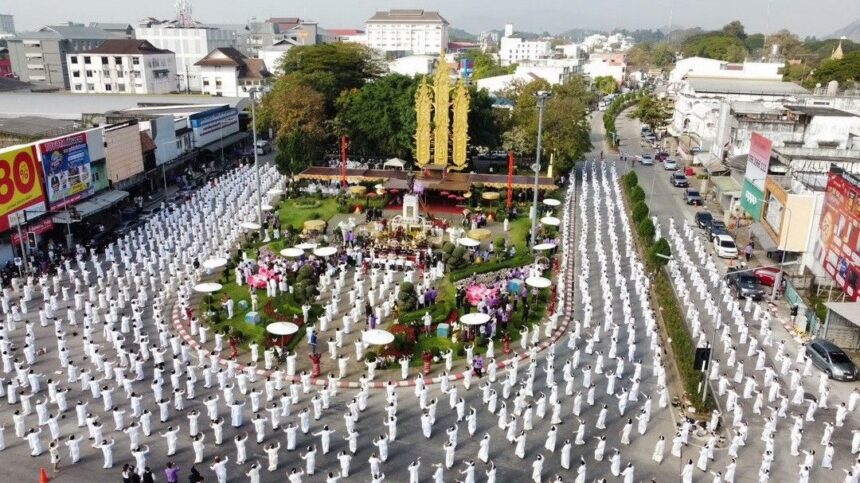
CHIANG RAI – The city of Chiang Rai marked a major milestone on Monday, January 26, 2569 (2026), celebrating 764 years since its founding with a full day of ceremonies and cultural performances.
The events centered on commemorating King Mangrai the Great (Phor Khun Mengrai Maharaj), the founder of Chiang Rai and a key figure in Lanna history.
The day began in a calm and respectful atmosphere at Wat Doi Ngam Mueang. Chiang Rai Governor Chucheep Pongchai, joined by deputy governors and heads of government offices, led the group in paying respect to the royal relics.
The ceremony also included draping cloth over the stupa of King Mangrai, a historic and spiritual landmark for residents.
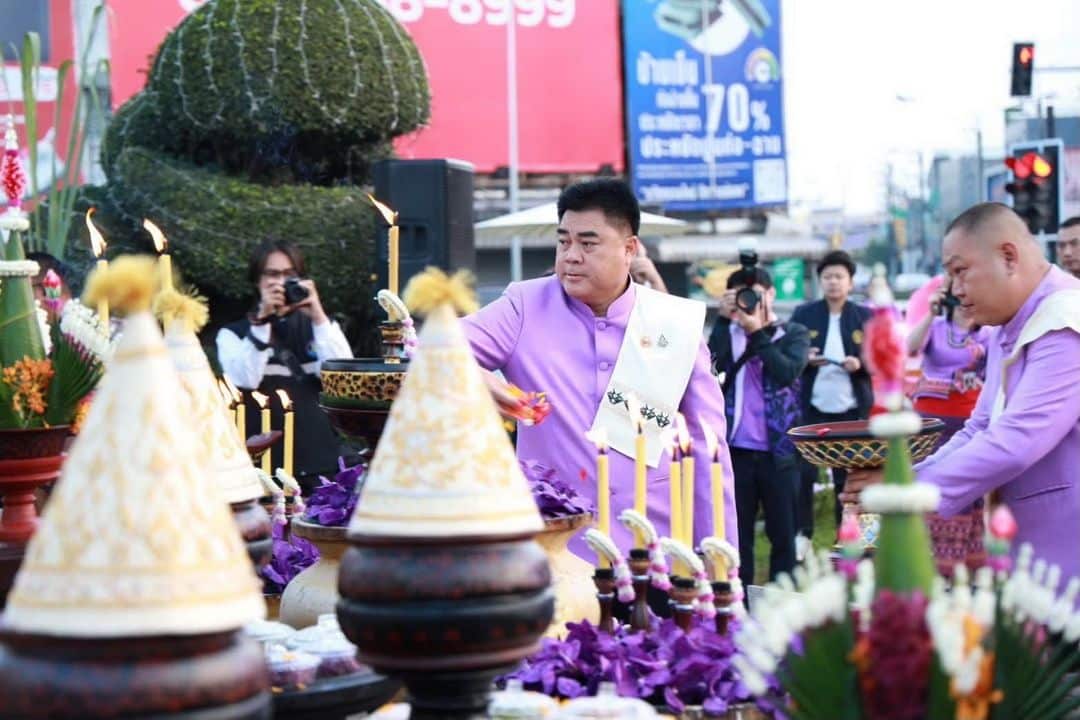
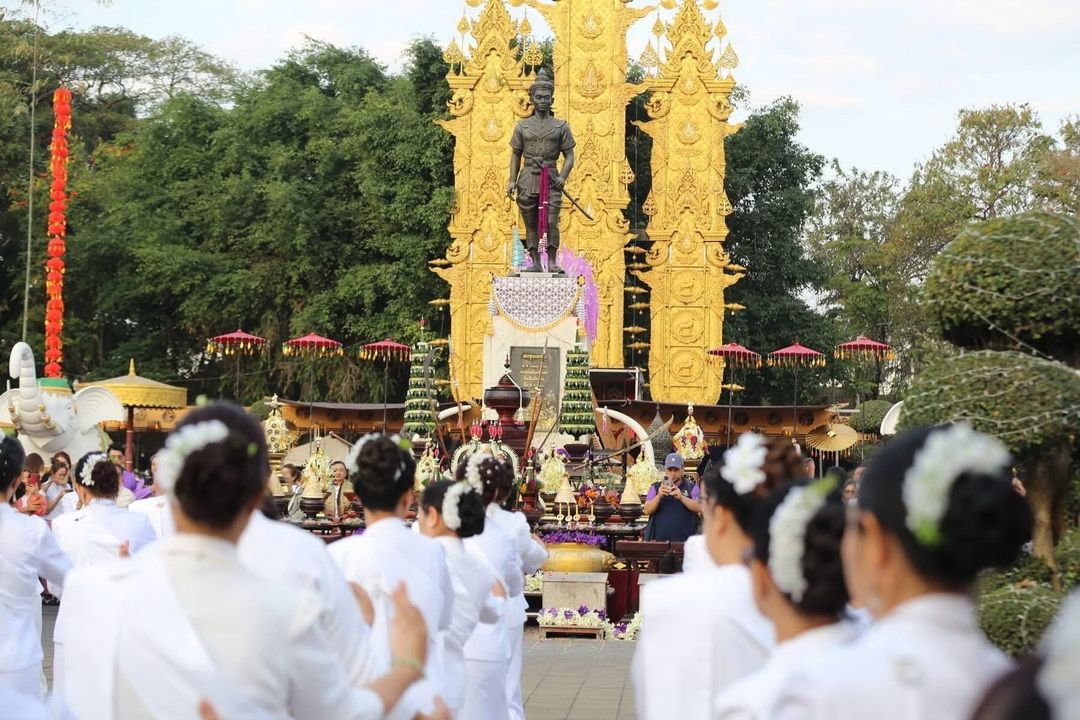
Later, at the King Mangrai Monument plaza (Ha Yaek Phor Khun intersection), officials and community members took part in a worship ritual and a religious blessing ceremony to extend the city’s auspicious fortune.
The highlight: “Fawn Mueang” Dance Tribute
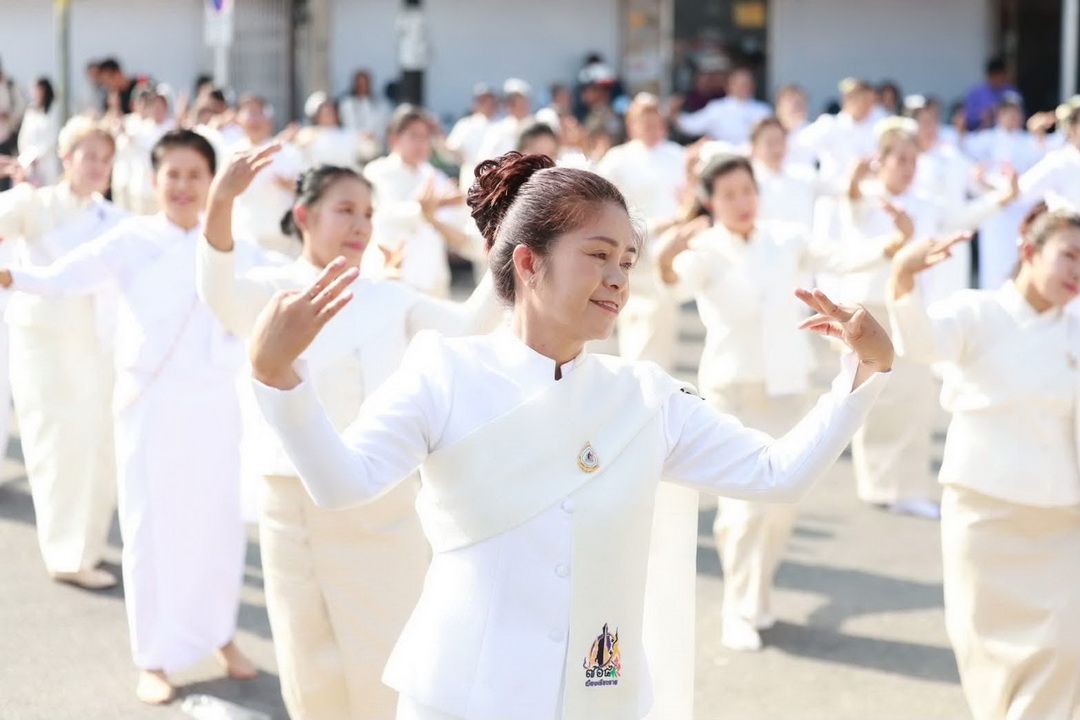
The standout moment came with the performance of “Fawn Mueang Wai Sa Puja Phaya Mangrai”, a traditional dance offered in honor of the city’s founder. More than 1,000 dancers took part, including civil servants, students, and residents.
All wore Northern Thai traditional clothing and moved in graceful, unified patterns as a sign of love and respect for King Mangrai.
Festivities were scheduled throughout the day, including:
- 3:30 p.m.: A celebratory parade set off for the 764th anniversary, departing from Samakkhi Witthayakhom School and heading to Wing 416 (the old airport area)
- 7:00 p.m.: The official opening of the King Mangrai the Great Commemoration Event and the Chiang Rai Red Cross Fair 2569
The anniversary served as a reminder of King Mangrai’s role in uniting Lanna more than 700 years ago, while also helping keep Chiang Rai’s local traditions strong for future generations.
Chiang Rai’s King Mengrai the Great
Phor Khun Mengrai Maharaj, better known as King Mengrai the Great, is the key figure in Chiang Rai history. Born in 1238, he became a strong and forward-thinking ruler.
He founded Chiang Rai in 1262 and later formed the Lanna Kingdom, which grew across much of Northern Thailand. People remember him as more than a conqueror. He’s also seen as a “father” (Phor Khun) who brought communities together and shaped a culture that lasted.
A Legacy of Leadership
Before King Mengrai, Northern Thailand was split into many small groups. He used both diplomacy and force to unite them under one rule. He’s well-known for a friendship pact with the kings of Sukhothai and Phayao, which helped keep peace and support trade and daily life. Even after he moved the capital to Chiang Mai, Chiang Rai locals still view him as their founder and a big part of the city’s identity.
How He Is Honored Each Year
Chiang Rai marks its legacy with a major annual event called the Wai Sa Phaya Mengrai Festival (also called the King Mengrai Festival). It’s usually held from January 26th to February 4th.
- Paying respect: The festival starts at the King Mengrai Monument, a tall bronze statue in the city center. Large crowds come to bring flowers, incense, and candles. They perform the Wai Sa, a traditional gesture of deep respect.
- Parades through town: Streets fill with bright parades and local pride. Expect Lanna-style outfits, traditional dance groups, and displays that share the history of the region’s ethnic communities.
- Food, music, and local crafts: A lively fair runs alongside the ceremonies. There are local food stalls, Lanna music, and stage shows. Craft and farm product contests also take place, highlighting the local strength and abundance that the king wanted for his people.
Today, the King Mengrai Monument is still a meaningful place for Chiang Rai residents. Many stop there to pray for good luck before a trip, a sign that the city continues to honor the founder who shaped its past.