


Chiang Rai is quickly becoming one of Northern Thailand’s most-watched provinces. Its mix of nature, culture, and strong local identity has helped it earn the highest tourism revenue among Thailand’s secondary cities. Now it’s reaching a turning point as it moves toward becoming a primary tourism hub, with the challenge of growing without losing balance.
Tourism data for 2025 (2568) from Thailand’s Office of Tourism and Sports Economics reports that Chiang Rai had the country’s highest number of visitors among secondary cities, at about 6,463,147 people. Tourism revenue in 2025 reached 51,540 million baht, passing 50,000 million baht for the first time and ranking 9th nationwide.
In 2024 (2567), total tourism revenue was around 49,420 million baht. The steady rise shows that Chiang Rai is not only growing in volume, but it’s also improving the economic value of tourism.
A secondary city with a strong location and strong access
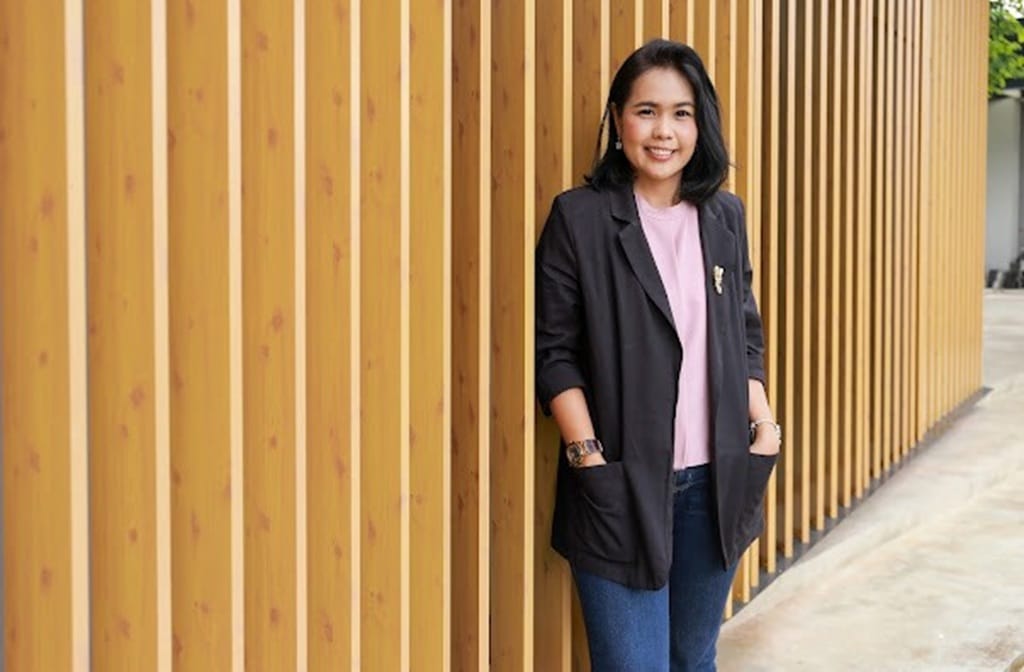
Ms. Promporn Jindawong Netrahan, CEO of Chiang Rai City Development Company Limited (CRCD) (SE), revealed to “Prachachat Business” that Chiang Rai is a secondary city where the government has continuously invested in infrastructure for over 10-20 years.
Roads, air travel, and water transport have improved access to the province. Connectivity is expected to improve again when the double-track railway project is completed in about two years.
Chiang Rai stands out from many other secondary cities because it functions like a real international gateway. It connects with neighboring countries in several ways, which supports trade, travel, and logistics. That advantage combines with its identity as a border province, a tourism city, and a place rich in natural resources, creating an economic base that feels distinct.
In terms of city structure, Chiang Rai has similarities to Hat Yai because it plays both border and tourism roles. Its edge comes from natural assets, including mountains, forests, and varied terrain.
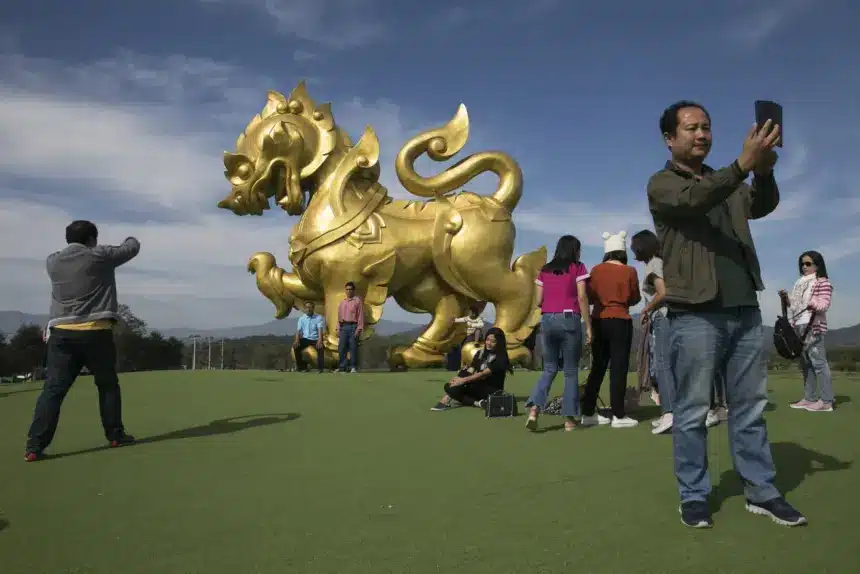
It also has well-known man-made attractions that have gained international attention, such as Wat Rong Khun (White Temple) and Wat Rong Suea Ten (Blue Temple). Places like Singha Park also serve multiple roles, including social enterprise activities and open public space, and can host major national and international events.
In the last two years, Chiang Rai has also been recognized as a UNESCO Creative City. That has helped more international travelers discover the province, with foreign visitor shares rising as much as 60%.
One key story Chiang Rai presents on the UNESCO stage is Doi Tung, often shared as a model for sustainable quality-of-life development. This positions Chiang Rai as a destination for learning and deeper travel, not only quick photo stops.

Building magnets for high-quality tourism
Another major draw is high-quality agriculture, especially tea and coffee. Chiang Rai is Thailand’s largest Arabica-growing area and has specialty coffee that is recognized in global markets. Some varieties, such as Geisha, can reach prices as high as millions of baht per kilogram. Chiang Rai tea has also won international awards and is exported to markets including Taiwan, Europe, and the Middle East.
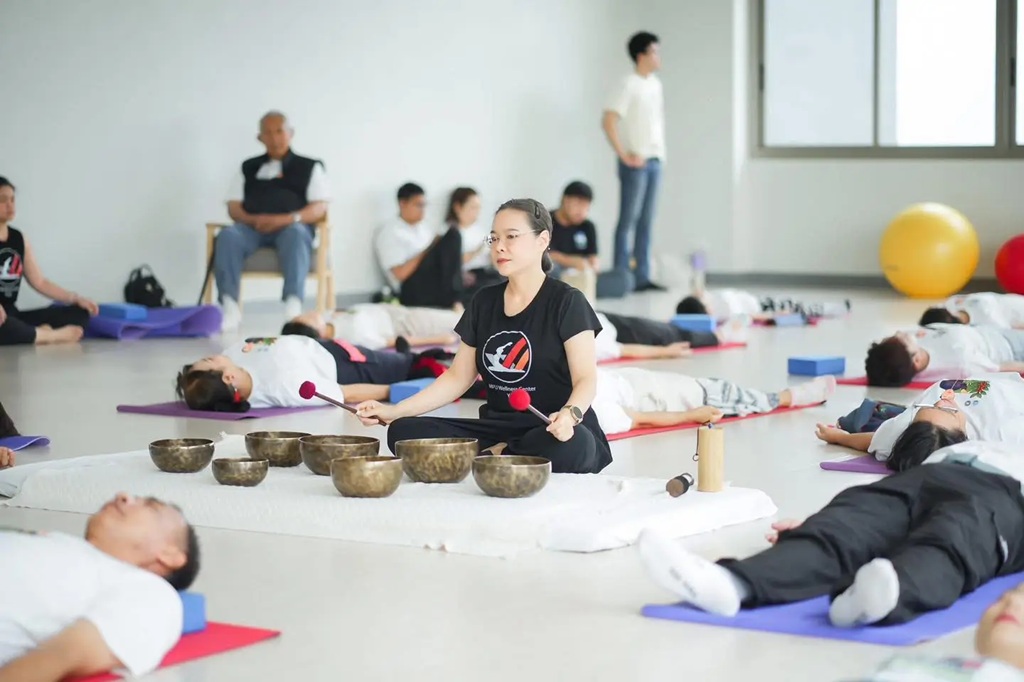
Chiang Rai has also announced a newer direction, developing as a Wellness City. The goal is not to copy luxury beach destinations. Instead, it focuses on local strengths in public health services, hospitals, and knowledge from Mae Fah Luang University. The province aims to grow longevity and anti-aging services at accessible prices, while tying in art, culture, and community-based activities.
At the same time, Chiang Rai is becoming more popular with long-stay travelers and digital nomads. A group often mentioned is European and Scandinavian visitors who stay during winter, around 500 people per year.
Many live, work, and spend locally for 4 to 5 months, with average spending of roughly 300,000 to 500,000 baht per person. The appeal comes from comfortable weather, a lower cost of living, convenient travel, an airport, shopping options, and a reputation for safety.
This shift supports a clear point: moving up to a major city doesn’t require competing on tourist headcount. Chiang Rai can focus on value-based tourism, attracting travelers who stay longer, spend more, and return. Differentiation starts with strong storytelling, moving away from checklist travel and toward real experiences. The province competes on value and quality of life, not luxury.
Chiang Rai’s momentum didn’t come from short-term hype. It reflects long-term capacity building. Now the province is being shaped for a new role as a “major city” that grows with direction, balance, and long-term sustainability.
A rising city that’s ready to expand
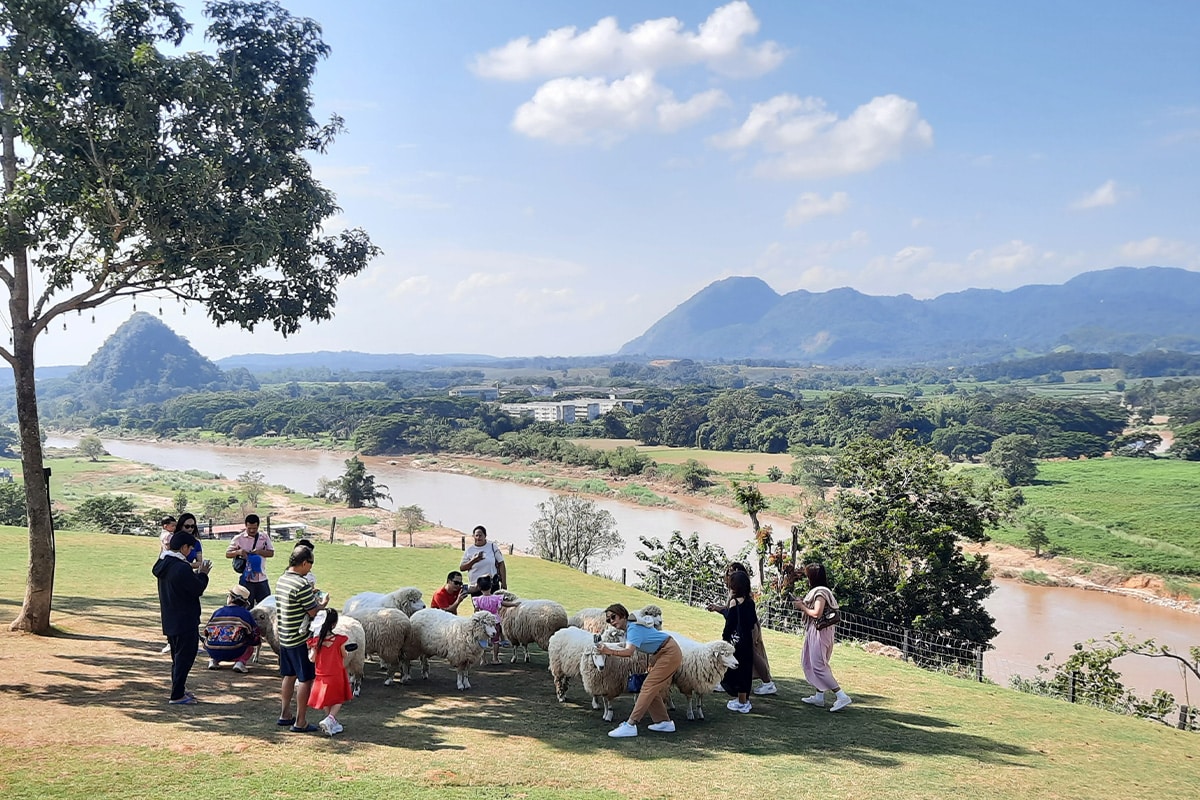
A Chiang Rai tourism business leader said Chiang Rai has clearly moved beyond the “secondary city” label and is now seen as a fast-rising destination. The province has key infrastructure in place, including an airport, hotels, and ports. The double-track railway, expected to open in the near future, will add another layer of access.
Chiang Rai also has three districts designated as special economic zones. As a border province, it has checkpoints connected to two neighboring countries, Myanmar and Laos. It also links to routes along the Mekong River that can reach China directly.
Education and healthcare add to its readiness. Chiang Rai has several major universities (around 4 to 5), with Mae Fah Luang University well recognized nationally. The province also has more than five medical centers and hospitals, which support the Wellness City direction.
Chiang Rai is also being positioned as a sport-focused city. It has been selected to host Spartan Race events for three consecutive years. At the policy level, there is also an effort to highlight the strengths of all 18 districts, giving each area a clearer identity.
For high-value agriculture, tea and coffee remain central. Many global and national brands have production bases in the province. Local efforts focus on connecting private companies with schools and universities to build better stories and research, then raise product value in a more structured way.
Another point often mentioned is that Chiang Rai has been ranked as the world’s second safest city for women. It also fits the needs of digital nomads who can work from anywhere.
Many travelers who choose Chiang Rai come for culture, learning, or wellness experiences. Each district offers its own character, which makes the province feel varied and worth exploring over several days, not just a short stop.
Public transportation is still a big issue
Travel costs inside the province remain relatively high compared with major tourist cities. That makes public transportation one of the most urgent issues to solve, especially for independent travelers.
Local discussions are underway to improve links from the airport to key tourist areas. Another challenge is visitor management, from border entry through to accommodation. If real-time data can connect immigration and provincial systems, it could improve safety and strengthen traveler confidence.
A local chamber of commerce leader said Chiang Rai today is more than a nature or culture destination; it’s also a strategic province for Thailand. Its border location next to Myanmar and Laos places it on routes that connect to southern China via the R3A corridor, at a distance of just over 240 kilometers.
River transport also matters. The Mekong River shipping route from China to Chiang Saen Port has reopened after being paused for about 4 to 5 years.
Looking ahead, the Den Chai to Chiang Khong rail network plan, expected to be completed in 2028 (2571), should strengthen logistics, tourism, and trade, helping Chiang Rai function more fully as a connected hub.
The Wellness City direction
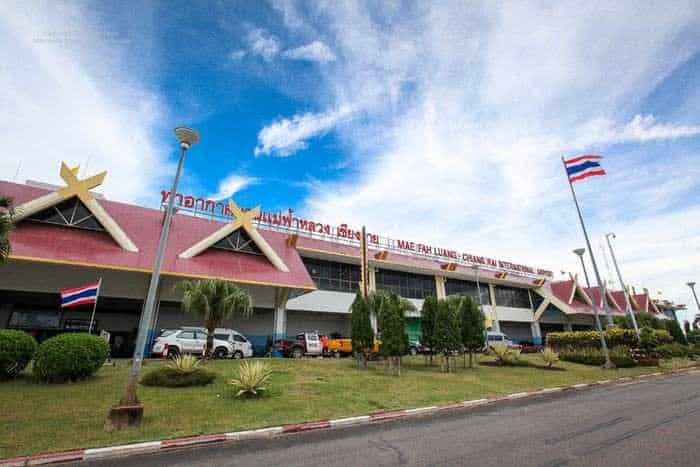
Mae Fah Luang Chiang Rai International Airport is also part of the access story. There is an ongoing push to bring back international flights, which would make it easier for foreign travelers to reach Chiang Rai directly.
Chiang Rai shows clear potential for high-value tourism. The Wellness City direction is supported by universities, hospitals, and more than 10 hot spring sites.
The province is also Thailand’s most important tea and coffee production area, with potential to grow into a “tea and coffee capital” alongside high-value agriculture.
This approach can also support environmental goals by reducing dependence on single-crop farming and helping address PM2.5. The province has recorded the lowest hotspot levels in Northern Thailand over the past two years.
Another defining strength is cultural diversity. Chiang Rai has more than 30 to 40 ethnic groups, the highest number in Thailand. That diversity can be shaped into cultural soft power through ethnic festivals and hands-on experiences that appeal to both Thai and international visitors.
Even with strong overall potential, the biggest challenge in becoming a major city remains the same: better public transportation within the province. Costs are still high for trips from the airport into town and onward to attractions.
If travel infrastructure improves, Chiang Rai can absorb growth in a more balanced way. And since Chiang Rai already leads Thailand’s secondary cities in tourism revenue, the main task is not only growing bigger, it’s growing smarter, while protecting local identity, culture, and the province’s long-term livability.