


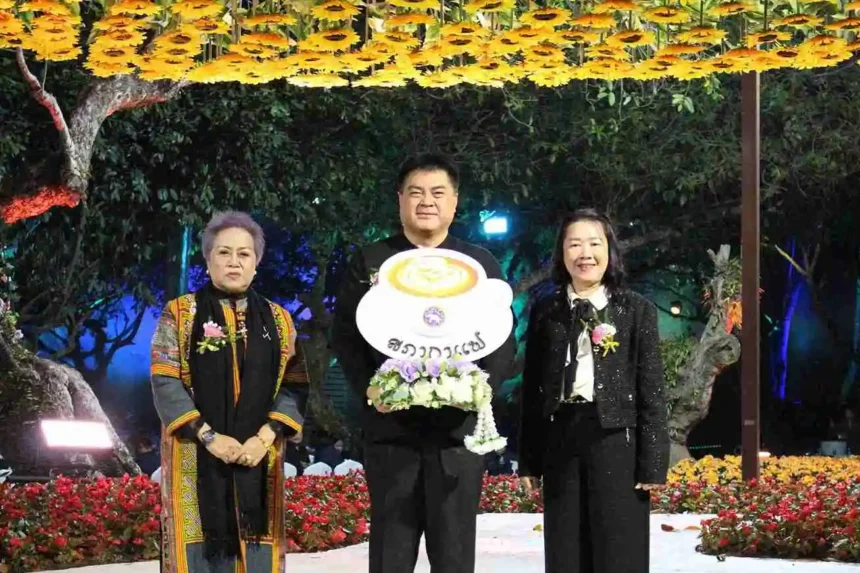
CHIANG RAI – The first “Coffee Council” of fiscal year 2026 opened with a clear strategy to push Chiang Rai toward becoming a global meeting and exhibition city. At the same time, the province faces tougher challenges from all types of disasters, from forest fires and haze to floods and earthquakes.
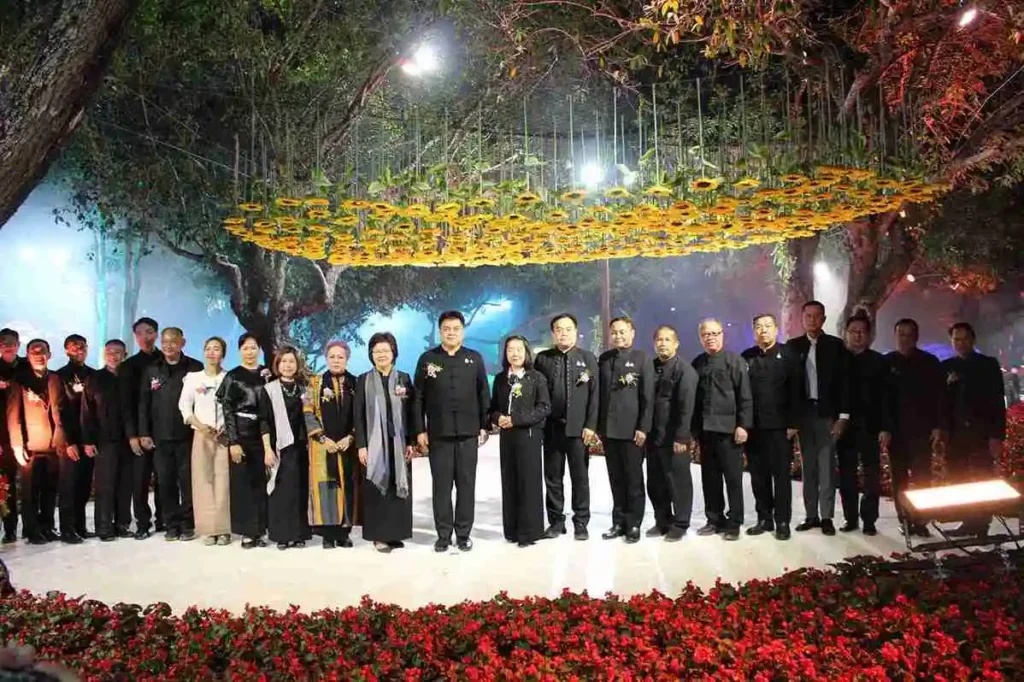
As evening lights reflected on the Kok River, the carefully designed flower garden at Suan Mai Ngam Rim Kok, Rimkok subdistrict, Mueang Chiang Rai district, turned into an outdoor policy forum. The space was filled with provincial executives, heads of government offices, private sector leaders, and network partners from dozens of agencies. They gathered for the first Coffee Council of fiscal year 2026, held in a relaxed Dinner Talk format.
The event had two parts. The first part started at 5.00 p.m. and focused on government coordination and policy talks. The second part began at 7.00 p.m. as a Dinner Talk that blended a warm reception for guests with long-term development discussions. This format has become an important tool to build closer ties between the government, the private sector, and partners, so they can exchange information and keep joint projects moving.
Mrs. Athitadorn Wanchaitanawong, President of the Chiang Rai Provincial Administrative Organization (PAO), welcomed the participants and explained why the Coffee Council matters. She said this forum helps shorten communication lines between the province, local governments, security agencies, the private sector, and media, while adding more depth.
People can go straight to the point, discuss real issues, and turn ideas into real action, which matters even more now that Chiang Rai is under the spotlight in both tourism and disaster management.
Mr. Chucheep Pongchai, Governor of Chiang Rai, who had just completed his first month in the role (starting November 7, 2025), said the Coffee Council is a great chance to understand the province from many angles. He also expressed appreciation for the work of the PAO President, describing her as a strong and capable female leader.
Launch of “Chiangrai Flower and Art Festival 2025”
A festival rooted in faith and shared memory
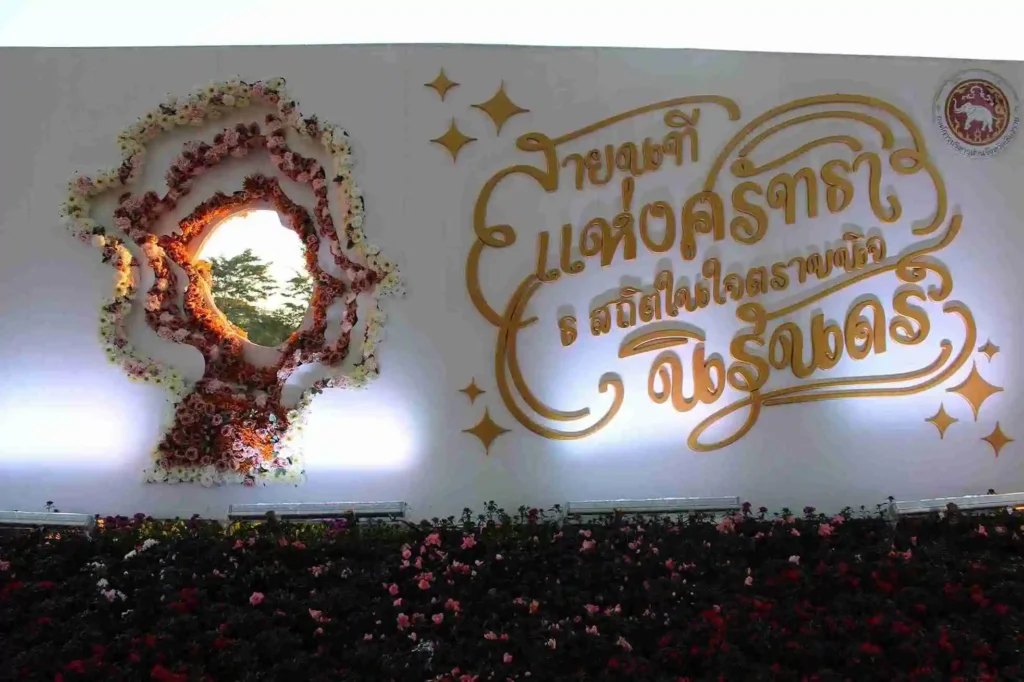
On a stage surrounded by flowers and art pieces, the PAO President and the Governor of Chiang Rai jointly launched the “ASEAN Flower Festival Chiang Rai 2025” or Chiangrai Flower and Art Festival 2025. The festival runs under the theme “The River of Faith, Forever in Our Hearts” and will take place from December 18, 2025, to January 7, 2026.
Mrs. Athitadorn explained that this year’s concept is not just about beauty. It comes from looking back at the wounds and challenges Chiang Rai has faced in recent years. These include forest fires, haze, drought, floods, and the ongoing risk of earthquakes, since the province lies along an active fault line.
“Every year, less than a month after the ASEAN Flower Festival ends, I start thinking about the next one. No matter what the style is, the heart of the event is to show Chiang Rai’s identity in this place, so local people can feel proud.
This year’s theme comes straight from our real problems. Chiang Rai has faced almost every kind of disaster. So we, the people of Chiang Rai, won’t give up. We will stand up, look at ourselves, and look back at the natural richness that Chiang Rai once had,” the PAO President told Nakorn Chiang Rai.

Four Seasons of Renewal and Revival
The main idea of the festival uses “water” and “four seasons” as symbols to tell the story of Chiang Rai’s return to abundance. It links the landscape, mountain ranges, rivers, ecosystems, and the way of life of more than 17 ethnic groups who live together in the province.
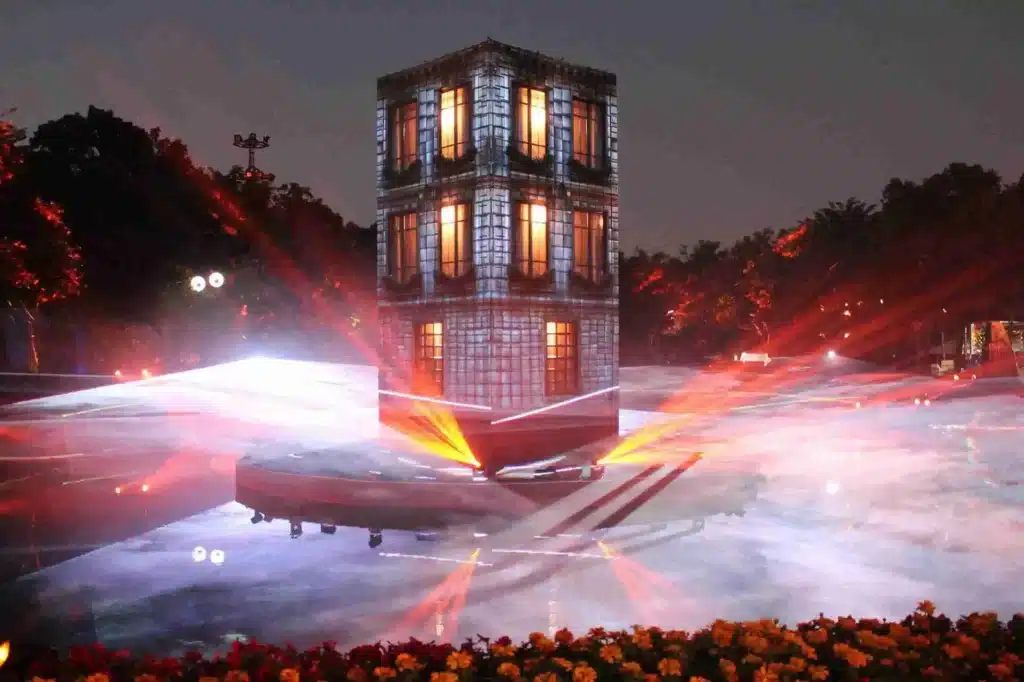
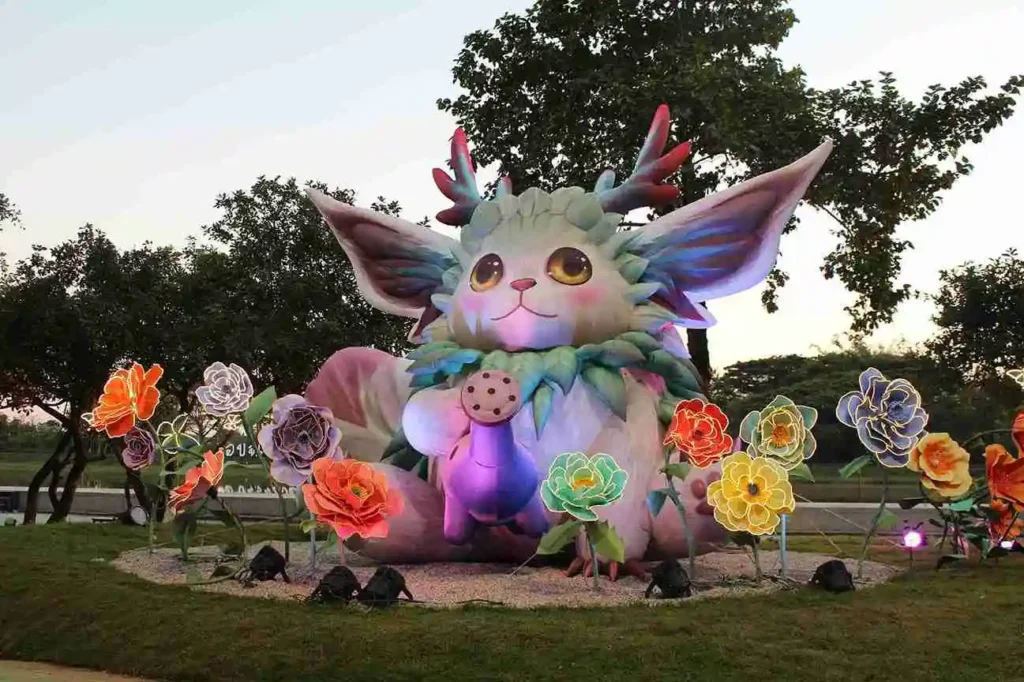
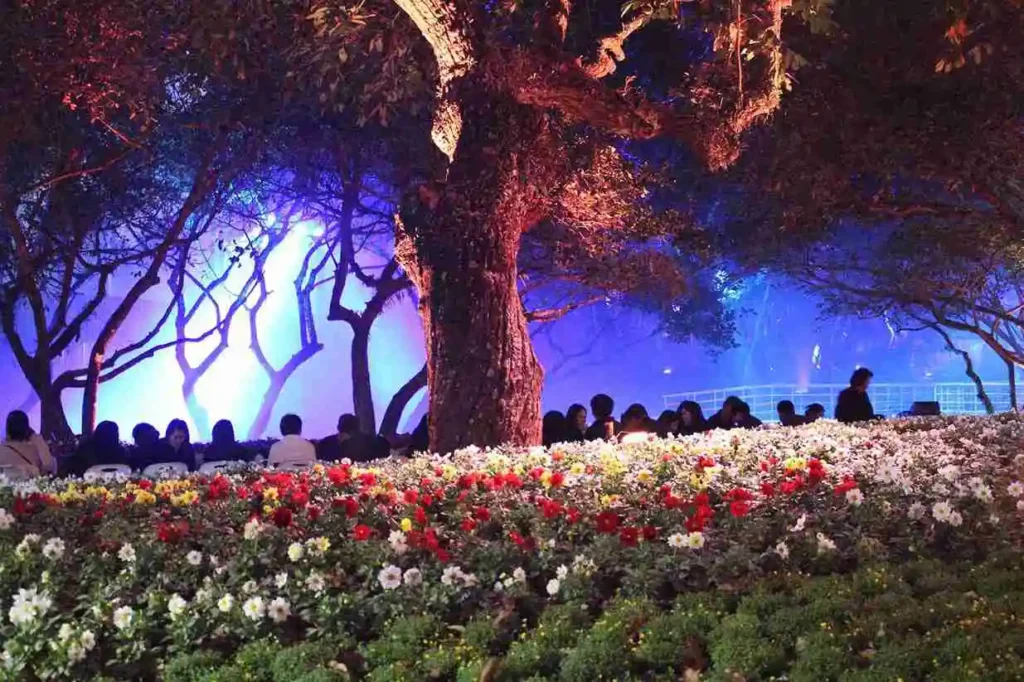
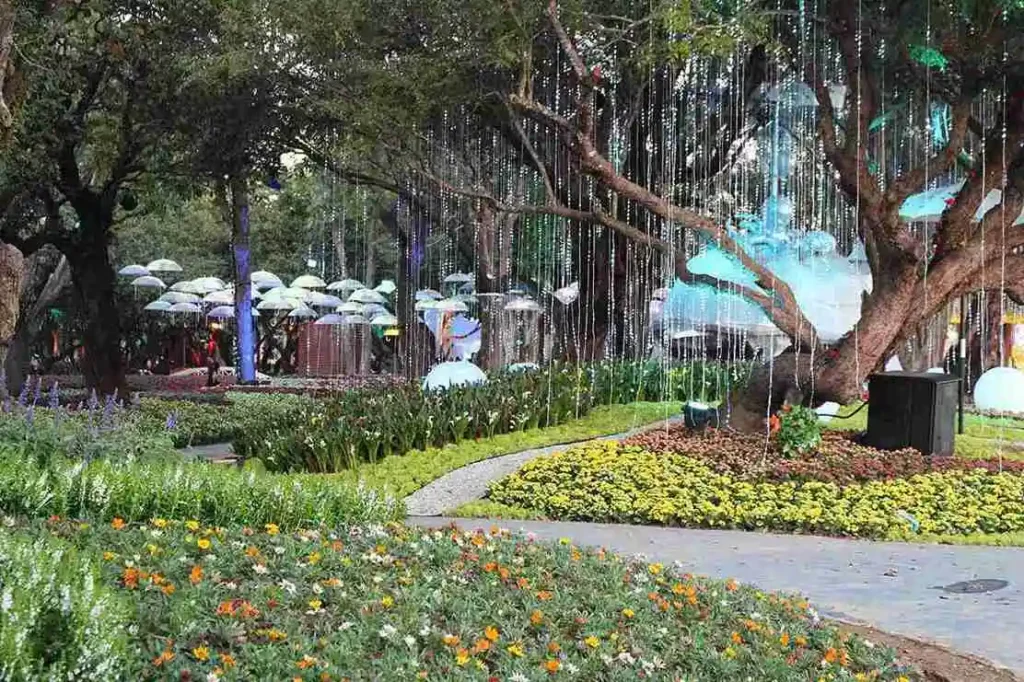
Suan Mai Ngam Rim Kok is divided into four zones that match the four seasons: summer, rainy season, winter, and spring. Each zone uses a mix of flower species, sculptures, lighting, sound, and modern technology under the theme “The Reflex of Season”, creating different scenes during the day and at night.
The PAO President stressed that the garden is not just a place to take pretty photos and move on. Every part of the design invites people of Chiang Rai to reflect on themselves, remember how rich the land once was, and think together about how to restore and improve Chiang Rai’s natural wealth.
The flower layout is different from many other flower festivals in Thailand. Chiang Rai is recognized as a “City of Design” under the UNESCO Creative Cities Network and is home to many artists. So the garden uses art principles to arrange flowers, forms, and spaces. At night, sculptures and new technology add even more drama and excitement.
Three Main Zones to Spread Tourism and Income
To reduce crowding in the city center and spread income to other areas, the Chiang Rai PAO designed the festival to cover three main zones.
Zone 1: Mueang Chiang Rai
Suan Mai Ngam Rim Kok
This is the main venue, open from December 18, 2025, to January 7, 2026. It features large-scale flower displays, art installations, food truck areas, local food, tea and coffee stalls, and community products. There is also a “Cultural Courtyard” that presents Lanna houses and the way of life of more than 17 ethnic groups.
Her Royal Highness Princess Ubolratana Rajakanya Sirivadhana Barnavadi will graciously preside over the opening ceremony on December 22. Her presence will not only raise the festival’s profile at the national level but also symbolize the unity and shared faith of the people of Chiang Rai under the theme “The River of Faith”.
Zone 2: Wiang Chai District
Nong Luang
This zone runs from December 19, 2025, to January 7, 202,6, under the concept “The River of Faith, Forever in Our Hearts”. Nong Luang is a large lake of more than 9,000 rai tied to the legend of the fall of Yonok Chiang Rung city. It has seven islands, including “Koh Mae Mai” (Widow Island), which is linked with local stories about a widow and an albino eel.
The event here goes beyond flower decoration. It breathes new life into an area with strong potential for eco-tourism and cultural tourism. Captain Thammanat Prompao, Deputy Prime Minister and Minister of Agriculture and Cooperatives, will chair the opening ceremony. His role here shows that the central government is paying real attention to development outside the city center.
Zone 3: Mae Sai District
Wat Tham Sao Hin Phaya Nak
Mae Sai is a border area that has suffered heavy floods in the past. Responding to requests from the local community, the Chiang Rai PAO chose to continue organizing a flower event at Wat Tham Sao Hin Phaya Nak, starting on December 20, 2025, with the clear goal of “reviving life and the local economy”.
The large Phaya Nak (Naga) sculptures and the unique cave setting attract visitors, but they also carry a deeper meaning. They stand for the community’s rise after hardship, in a border town that faces both natural disasters and economic change from cross-border trade.
From Flower Festival to “MICE City” Strategy
The Governor of Chiang Rai linked the Flower Festival to the province’s wider development direction. He noted that Chiang Rai is already recognized as a “City of Design” under the UNESCO Creative Cities Network, which can be seen through the many art pieces and creative works spread across the city.
In this vision, the ASEAN Flower Festival is like a giant outdoor showcase. It highlights Chiang Rai’s design strengths through garden layouts, sculptures, and mixed media lighting. Art and design are used as core tools to shape the province’s image.
The Governor also spoke about a key direction: pushing Chiang Rai to become a “MICE City” that hosts meetings, incentives, conferences, and exhibitions. The Thailand Convention and Exhibition Bureau (TCEB) supports this path. More and more high-level executives from ministries and important agencies now visit Chiang Rai for study trips and activities, which shows growing confidence.
He shared that on December 17, more than 100 participants from a senior-level justice administration program under the Ministry of Justice will visit Chiang Rai. On December 18, over 40 participants from a medical governance program of the Ministry of Public Health will come as well. These guests are all senior executives and national figures. Welcoming them during the Flower Festival is a chance to create strong first-hand experiences and build future cooperation.
Living With Disasters and Planning Ahead
Even though the Flower Festival is full of color and beauty, both the PAO President and the Governor stressed one shared point: Chiang Rai now faces serious disaster challenges.
The PAO President spoke openly about forest fires, haze, PM2.5, drought, floods, and earthquake risks. These are almost all types of disasters in one province. This difficult reality is one of the reasons the festival needs a new theme every year, often tying back to the idea of restoring Chiang Rai’s natural richness so local people can think together about solutions.
The Governor echoed this view from a policy angle. He said the government, especially Deputy Prime Minister and Interior Minister Anutin Charnvirakul, has instructed him to focus on “prevention rather than relief”. This covers three main areas: floods, forest fires and fine dust, and environmental contamination.
He also pointed out that the Provincial Administrative Organization is like an older brother. It has to help link and support local governments across the province in prevention and, later, in recovery work. This is particularly urgent for PM2.5 and floods.
On the same day, the Governor took part in launching a new Water Information Management Center. Dr. Royboon Rasmitat, Director of the National Hydroinformatics and Climate Data Center, shared knowledge about a data system that connects information to real locations. This system will help the province plan better and act faster when threats appear.
All of this shows that while Chiang Rai is promoted as a beautiful destination for quality travelers, it must also stand on the frontline of climate change impacts. Those impacts will keep growing more complex.
A New District Chief, A Familiar Home
Another voice that stood out at the Coffee Council belonged to Mr. Yanawut Sukpimsri, the new District Chief of Mueang Chiang Rai. It was only his second day in the position. Although he was not born in Chiang Rai, he has worked here for more than 15 years in several roles, both at the district and provincial levels.
He said, “Chiang Rai is my second home,” and expressed his readiness to work closely with every agency, government, a nd private sector. His earlier roles include officer at Mueang Chiang Rai District in 2007, later Deputy District Chief of Mueang Chiang Rai about 10 years ago, then Deputy Governor of Chiang Rai. He also served as District Chief in Khun Tan, Mae Lao, Wiang Chai, and Mae Chan, before returning now as District Chief of Mueang Chiang Rai.
His words matter for the festival and beyond. Mueang Chiang Rai is the heart of the ASEAN Flower Festival, both as the location of Suan Mai Ngam Rim Kok and as the center of the province’s economy, tourism, and disaster management.
Four Dimensions of Integrated Development
Looking at the big picture, the “ASEAN Flower Festival Chiang Rai 2025” is more than a seasonal flower show. It works as a platform that connects four key dimensions in a structured way.
1. Tourism and Local Economy
By spreading the festival to three main zones in three districts, the event opens space to local communities and small businesses. Vendors of tea, coffee, local food, and OTOP products can meet visitors directly throughout the festival. This boosts the grassroots economy and helps money circulate more widely.
2. Identity, Culture, and Ethnic Diversity
The Cultural Courtyard at Suan Mai Ngam brings together Lanna culture and more than 17 ethnic groups in one shared space. At Nong Luang, the legend of “Widow Island and Yonok Chiang Rung” is retold through place-based storytelling. These efforts help tourism connect with deep local stories, not just quick photo spots.
3. Positioning Chiang Rai at National and International Levels
By linking the Flower Festival with its “City of Design” status and the goal of becoming a “MICE City”, Chiang Rai steps beyond the image of a winter-only tourist town. It aims to be ready for meetings, conferences, and large events throughout the year. Art, design, and unique landscapes become true strengths that support this goal.
4. Disaster Management and Long-Term Sustainability
Discussing forest fires, haze, PM2.5, floods, drought, and earthquakes on the same stage as a flower festival opening might seem unusual. In Chiang Rai, it reflects honesty about both beauty and fragility. Provincial leaders are clearly choosing to focus on early prevention and system-level preparation, instead of waiting to repair damage after disasters strike.
Challenges and Opportunities Ahead
The ASEAN Flower Festival Chiang Rai 2025 carries meaning that goes far beyond a typical seasonal event. It sends a clear signal that Chiang Rai is preparing to step up to a new level of development.
The Governor of Chiang Rai noted that, along with senior executives from the central government, many PAO leaders from across the country are also visiting to study Chiang Rai’s approach. They are interested in how the province connects tourism, culture, and disaster readiness.
The success of this vision will depend on how well every sector works together: provincial authorities, local governments, the private sector, the media, and local communities. The Coffee Council Dinner Talk is a starting point for shared understanding and joint planning, at a time when climate impacts are getting more serious.
At the end of the event, the PAO President summed up the intention simply:
“Under this festival and the budget used by Chiang Rai PAO, the benefits will go to our people, especially those in Chiang Rai.”
Her words underline a clear goal: development for the people who live here.
Chiang Rai’s Future Picture
Launching the ASEAN Flower Festival Chiang Rai 2025 alongside the first Coffee Council of the fiscal year 2026 is more than good timing. It helps lay a foundation for Chiang Rai’s long-term path.
In the next 3 to 5 years, Chiang Rai has a real chance to become a model city that ties together tourism, culture, art, and disaster management in a practical way. The province can use its strong identity to attract quality visitors, investors, and business operators from around the world.
Becoming a “MICE City” will help increase the value of the tourism and service sectors. MICE travelers usually have higher spending power and spend more per trip. Their visits also spread throughout the year, not only during the cool season.
At the same time, building a solid disaster management system will give visitors and investors more confidence. It shows that Chiang Rai is ready to deal with shocks and can protect lives, property, and key infrastructure.
Under the theme “The River of Faith, Forever in Our Hearts”, the ASEAN Flower Festival Chiang Rai 2025 stitches together stories of challenge and hope. The four seasons in the garden mirror the cycle of life, the richness of nature, and the strength of people who stand up again after hardship.
Spreading the festival to Mueang Chiang Rai, Wiang Chai, and Mae Sai does more than share income. It sends a message that every area of the province matters and has potential for development.
While Chiang Rai works toward “MICE City” status and strengthens its role as a “City of Design”, it is also getting ready for future disasters. This balance between ambition and responsibility reflects thoughtful leadership.
The Coffee Council, in Dinner Talk style, which blends a friendly atmosphere with serious development conversations, shows a modern style of governance. It opens a space where agencies and partners can share ideas, listen, and plan side by side.
For anyone who follows policy and urban development, the key question is clear. After the flowers fade, can Chiang Rai turn the conversations at Suan Mai Ngam Rim Kok into concrete actions in tourism, disaster management, and local economic growth?