


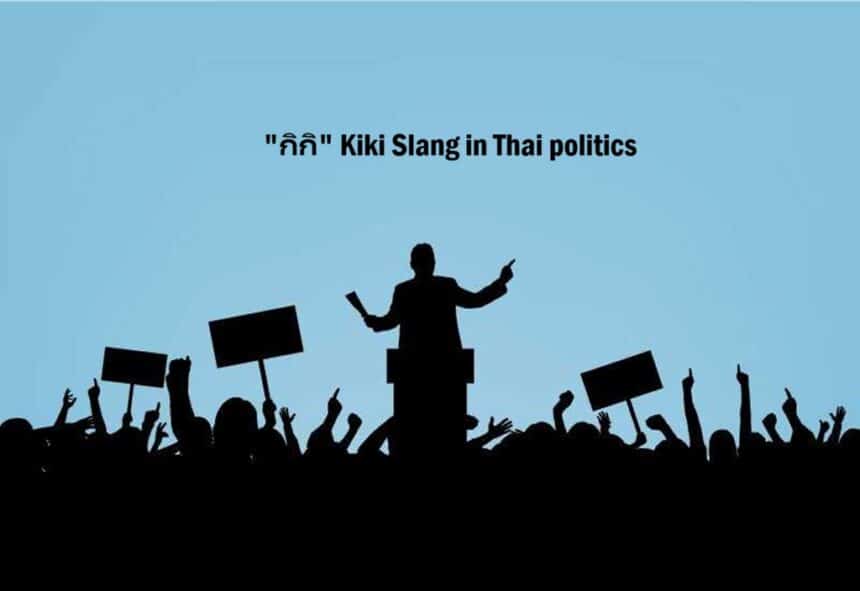
BANGKOK – Thai politics has no shortage of sharp one-liners, but few have spread as fast as “kiki.” Written in Thai as กีกี้ and often said like “gee-gee,” the word shot to the top of Google searches in Thailand for 2025. It started as a biting comeback during a no-confidence debate in March 2025. Soon after, it became a go-to insult online, powering memes, jokes, and political jabs across social media.
The breakout moment happened in parliament during a censure motion targeting Prime Minister Paetongtarn Shinawatra. The debate centered on claims tied to tax avoidance. As People’s Party deputy leader Wiroj Lakkhanaadisorn spoke, lawmakers from the ruling Pheu Thai party interrupted him again and again. After a while, Wiroj snapped back with a line that instantly stuck: “Try shouting ‘kiki’ before you protest.”
For a beat, the room seemed lost. MPs looked around, unsure of what they just heard. Livestream chats filled with confusion, and social platforms lit up within minutes. Clips spread fast, and everyone wanted the same thing: a clear meaning for “kiki.”
The Origin: A Japanese Pop Culture Reference
In this political setting, “kiki” points to Japan’s long-running tokusatsu series Kamen Rider. More precisely, it connects to Shocker’s Combatmen, the faceless foot soldiers who rush in as a group. They wear green outfits, carry blades, and shout a sharp “kiki!” as they charge.
On the show, these fighters exist to swarm the hero and lose. They rarely speak beyond their chant. They also lack personality, power, and status. In short, they are disposable henchmen.
That is why Wiroj’s comment hit so hard. By telling his hecklers to yell “kiki,” he compared them to mindless minions. In everyday terms, he framed them as stooges who follow orders and add nothing. Thai politics already runs on calling the other side puppets, so the insult landed cleanly.
The joke also worked because Kamen Rider has a strong fan base in Thailand. Many people grew up watching dubbed episodes. Because of that, the reference felt familiar, especially to younger users who trade in memes and pop culture clips.
From Parliament to Feeds: How “Kiki” Blew Up Online
Right after the line went viral, short clips flooded TikTok, X (formerly Twitter), Facebook, and Instagram. People edited videos to add “kiki” chants over footage of Pheu Thai MPs. Others posted meme images that dressed politicians as Shocker Combatmen, complete with green masks and swords, while opponents posed as Kamen Riders.
One common meme format showed government supporters photoshopped into Shocker uniforms with “Kiki! Kiki!” across the frame. Another trend had users filming themselves doing the grunt cry while roasting politicians, co-workers, or daily annoyances.
By mid-2025, the word moved beyond politics. Online, people used it to brush off someone they saw as blindly loyal. Comments like “You’re just kiki-ing for your side” popped up in arguments about everything from parties to pop stars. At the same time, merch followed. Shirts, stickers, and joke graphics used phrases like “Kiki Squad,” often paired with faceless minion art and party hints.
Google’s year-end results captured the scale of the moment. “Kiki” ranked as Thailand’s most-searched definition in 2025. It beat other trending terms like “sigma” and “nom na.” The spike also showed how Thai youth mix global culture with local politics to create fast, shareable commentary.
Other Meanings of “Kiki” That Added to the Chaos
The political meaning drove the headlines, but “kiki” already carried other meanings. That overlap helped fuel the confusion and made the joke spread faster.
In some Thai teen slang, “ki” or “kiki” can act as a soft euphemism for female genitalia. During the fallout, that meaning surfaced in public talk, and some figures used it to frame the word as crude. Reports also said Deputy Prime Minister Phumtham Wechaayachai referred to the sexual meaning in discussions. Because the sounds match, people talked past each other, and the mix-up fed the memes.
Outside Thailand, “kiki” also links to Black and Latinx LGBTQ+ ballroom culture. There, it describes a casual hangout for gossip, laughs, and sharing tea. Pop music helped spread that use, including Scissor Sisters’ “Let’s Have a Kiki.” In the Philippines, Tagalog slang uses “kiki” as a term for vagina, which lines up with some Thai usage.
In Thailand, กีกี้ has shown up in other light ways too. People use it as a nickname, a playful sound, or a reference to Kiki’s Delivery Service. So when the word rang out in parliament, it carried several meanings at once, and that made the moment even more shareable.
Why “Kiki” Stuck: Slang as a Tool for Political Pushback
“Kiki” shows how fast Thai slang can form when politics meets internet culture. Direct criticism can bring real risk in Thailand. Because of that, coded insults wrapped in pop culture can feel safer. They also spread faster because they are funny, short, and easy to remix.
At the same time, the trend points to a clear shift in how younger Thais talk about power. Many prefer quick, visual jokes over long statements. TikTok clips, reaction posts, and meme edits often carry more weight than formal speeches. In that space, calling someone “kiki” paints them as loud, loyal, and replaceable.
One viral line summed up the mood: “In parliament, they shout for attention. Online, we shout ‘kiki’ and laugh.”
The Afterlife of a Single Word
By late 2025, “kiki” had settled into daily Thai online talk. People used it in comments, political cartoons, and casual chats to call out groupthink and blind loyalty. It worked as a quick label when someone acted like a follower instead of a thinker.
Whether it shows up in a heated debate or a throwaway meme, “kiki” proves how one old TV reference can capture a moment. Thai politics will keep changing, and so will the slang. Still, if someone gets called a “kiki” now, most people will get the point fast, and the internet will probably laugh right on cue.