



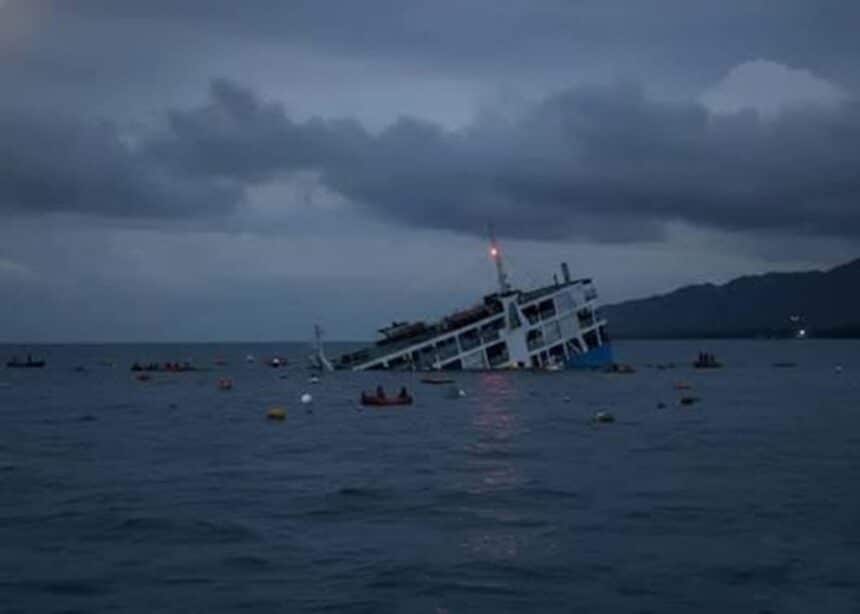
MANILA – Philippines, A passenger ferry heading to Jolo Island in the Sulu archipelago sank off Basilan province early on Monday. At least 18 people died, and 24 were still missing by Monday afternoon. The incident has again raised concerns about ferry safety in the Philippines, where sea travel is a daily need for many communities.
The MV Trisha Kerstin 3, a three-deck cargo and passenger ship, left Zamboanga City at about 9.20 pm on Sunday, 25 January. The Philippine Coast Guard (PCG) said the ferry carried 332 passengers and 27 crew members, staying within its authorised limit of 352 people.
Around 1.50 am on Monday, about four hours into the trip, the vessel sent a distress call during its roughly 100-mile journey to Jolo.
Officials said the ship capsized and went down about 1 nautical mile (nearly 2 kilometres) from the village of Baluk-baluk in Basilan. Early reports described the weather as fair, with no clear signs of storms or rough seas at the time.
Coast Guard District Southwestern Mindanao Commander Romel Dua said a safety officer on board alerted authorities and survived.
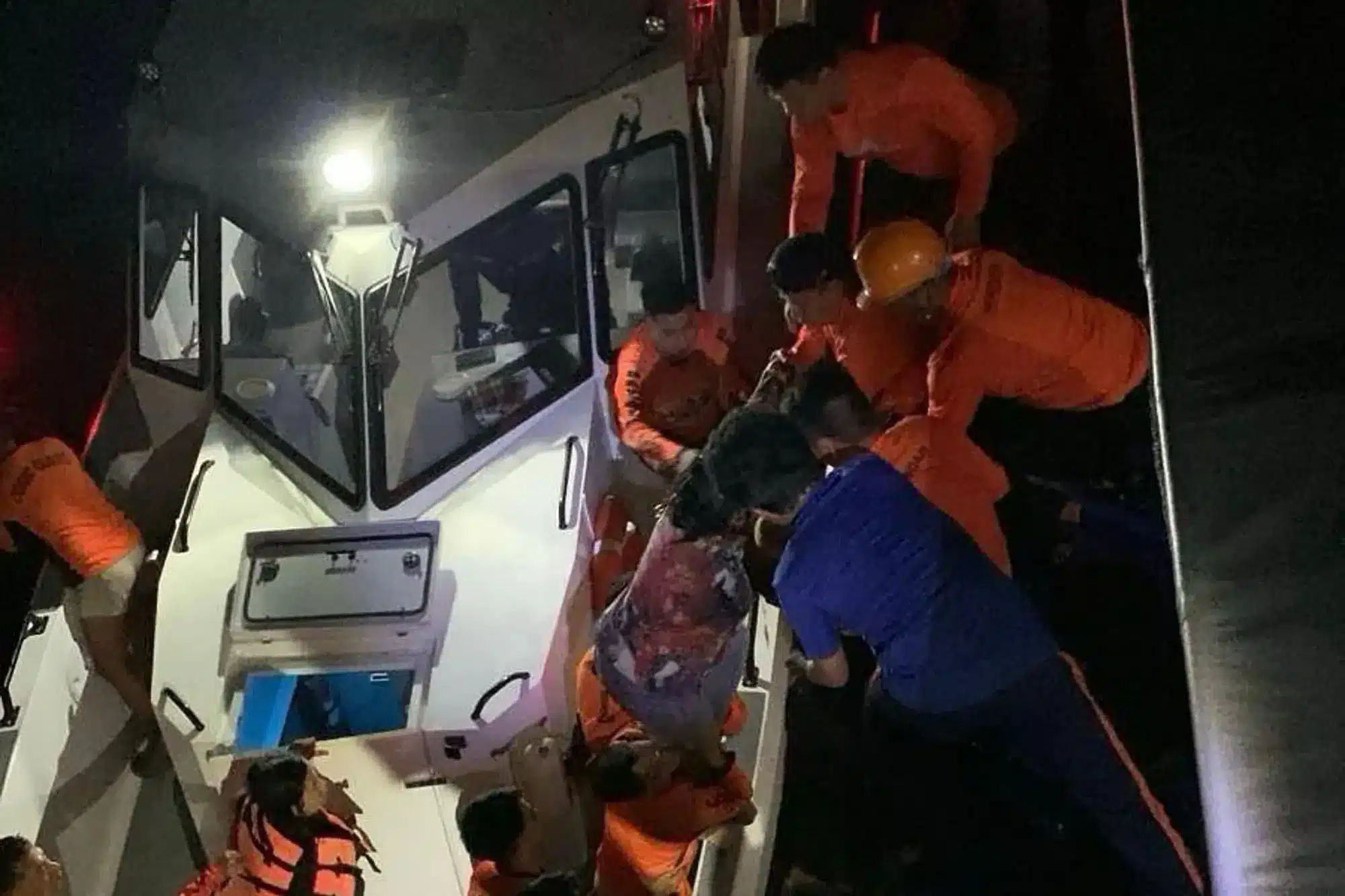
By Monday afternoon, the PCG reported 317 people rescued. Coast guard boats, navy vessels, an Air Force Black Hawk helicopter, and local fishing boats pulled many survivors from the water.
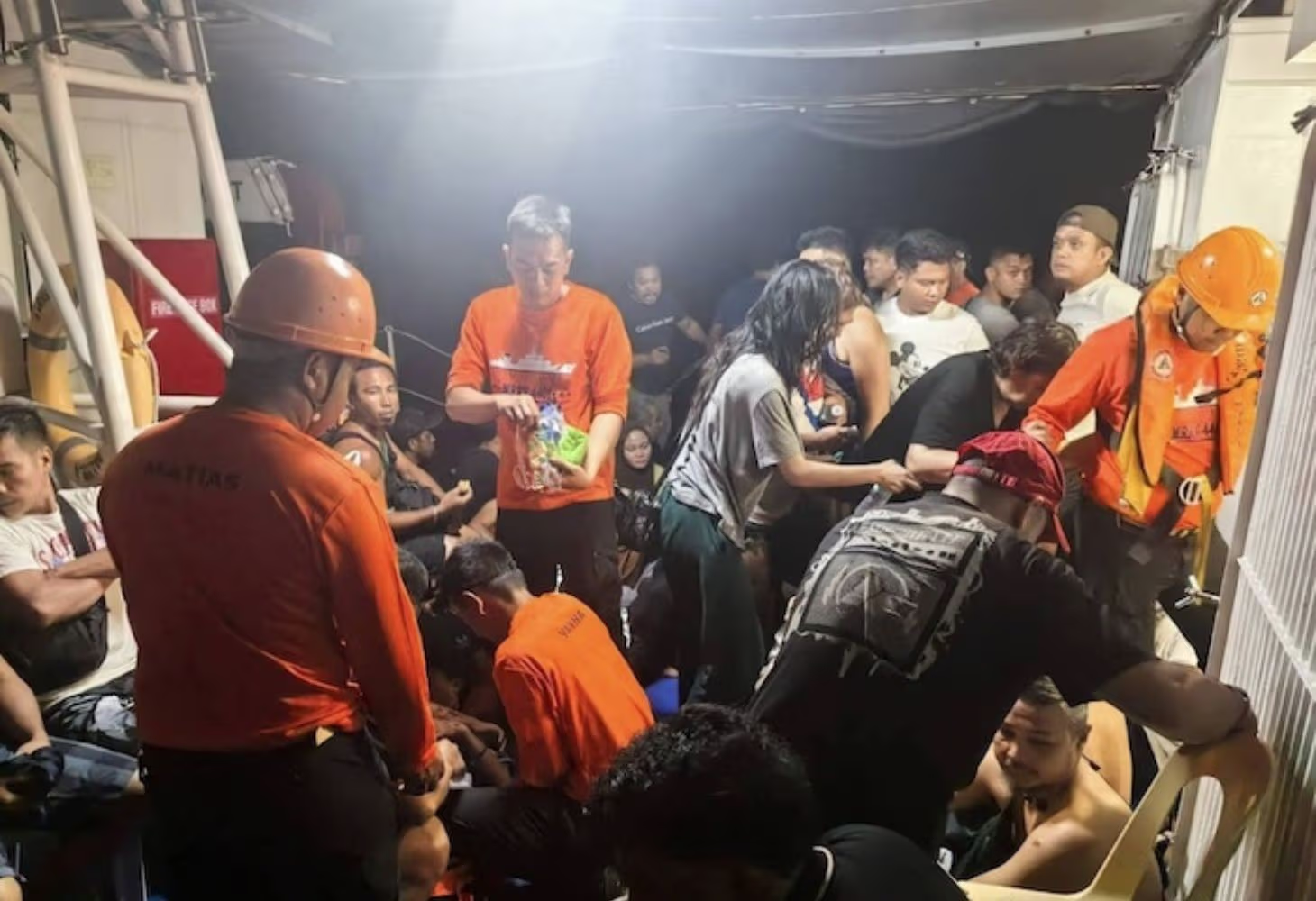
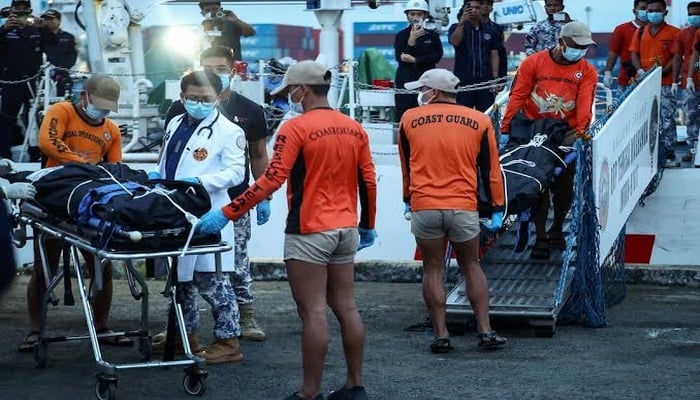
Rescued passengers were brought to nearby locations, including Baluk-baluk Island and Isabela City, the provincial capital. Basilan Governor Mujiv Hataman said dozens of survivors arrived at the Isabela pier, along with two bodies, and the sudden rush stretched local services.
Distressing scenes as searches continue
Footage shared by the PCG and local officials showed rescuers helping survivors who were shaking and wrapped in blankets. Some looked stunned and barefoot as responders moved through crowded areas, while body bags were carried nearby. A live clip on social media captured people calling for help in the dark.
One passenger, Kyle Punsalang, a recent maritime academy graduate, sent his brother a short message shortly before the sinking: “Our boat is tipping over. Please help.”
Search operations continued into late Monday as teams scanned the surrounding waters for those still missing. Responders in Basilan said they were short on staff while dealing with a growing number of patients.
Families waited in Zamboanga and Jolo, hoping for updates. Some relatives joined search efforts after learning loved ones were on board. A Zamboanga village councillor, Alih, also took part after confirming his relatives had survived.
Investigation begins amid familiar safety worries
The cause of the sinking was not immediately known. The PCG ordered a marine casualty investigation, and officials said the ferry had been cleared to sail. Early checks did not point to overloading, and the weather did not appear to be the main issue. Commander Dua told reporters that investigators could not yet explain why the vessel sank.
Sea accidents remain a painful pattern in the Philippines, an archipelago of more than 7,600 islands where ferries connect cities, towns, and smaller islands. Ageing vessels, weak maintenance, occasional overcrowding, and uneven safety checks, especially in remote provinces, have all been linked to past disasters, along with sudden weather changes.
The country’s worst peacetime maritime tragedy happened in 1987, when the MV Doña Paz collided with an oil tanker, and more than 4,300 people were believed to have died.
More recent incidents include a 2023 fire on the Lady Mary Joy 3 on a similar route that killed more than 30 people, and a 2015 capsizing off Leyte that left more than 60 dead. Critics say rules exist, but enforcement can be patchy, particularly for smaller operators serving lower-income यात्रellers.
As rescuers kept searching, families mourned, and officials promised accountability. The President had not made a public statement at the time of reporting, but the tragedy has renewed pressure for tighter maritime oversight and safer ferry operations.
For many survivors and families, the focus stayed on finding the missing and getting support to those pulled from the sea. In a country where sea travel is part of everyday life, the Basilan sinking is another harsh reminder of the risks faced by people simply trying to get home.