





BANGKOK – Thailand’s Department of Health (DoH), part of the Ministry of Public Health, says the country’s preterm birth rate has climbed to 9.91%. That is above the global average of about 8%.
The figure adds pressure to a country already facing fewer births each year and a growing older population. Preterm birth is linked to higher newborn deaths and long-term health problems. It also brings heavy stress and costs for families, as well as added strain on hospitals and health services.
What preterm birth means
A preterm birth is when a baby is born alive before 37 weeks of pregnancy (less than 259 days from the first day of the mother’s last period). The World Health Organization (WHO) groups preterm birth by how early the baby arrives:
- Extremely preterm: under 28 weeks
- Very preterm: 28 to under 32 weeks
- Moderate to late preterm: 32 to 37 weeks
Worldwide, around 13.4 million babies were born preterm in 2020, which is more than 1 in 10 births. Problems linked to preterm birth are still the leading cause of death for children under five, with about 900,000 deaths each year. Babies who survive can face long-term issues, such as learning difficulties, sight or hearing problems, and delays in growth and development.
Outcomes also depend on where a baby is born. In lower-resource settings, survival for extremely preterm babies is very low. More than 90% die in the first days of life when basic care is limited, such as keeping babies warm, support with breastfeeding, and treating infection. In higher-income countries, most extremely preterm babies survive thanks to specialist care and timely treatment.
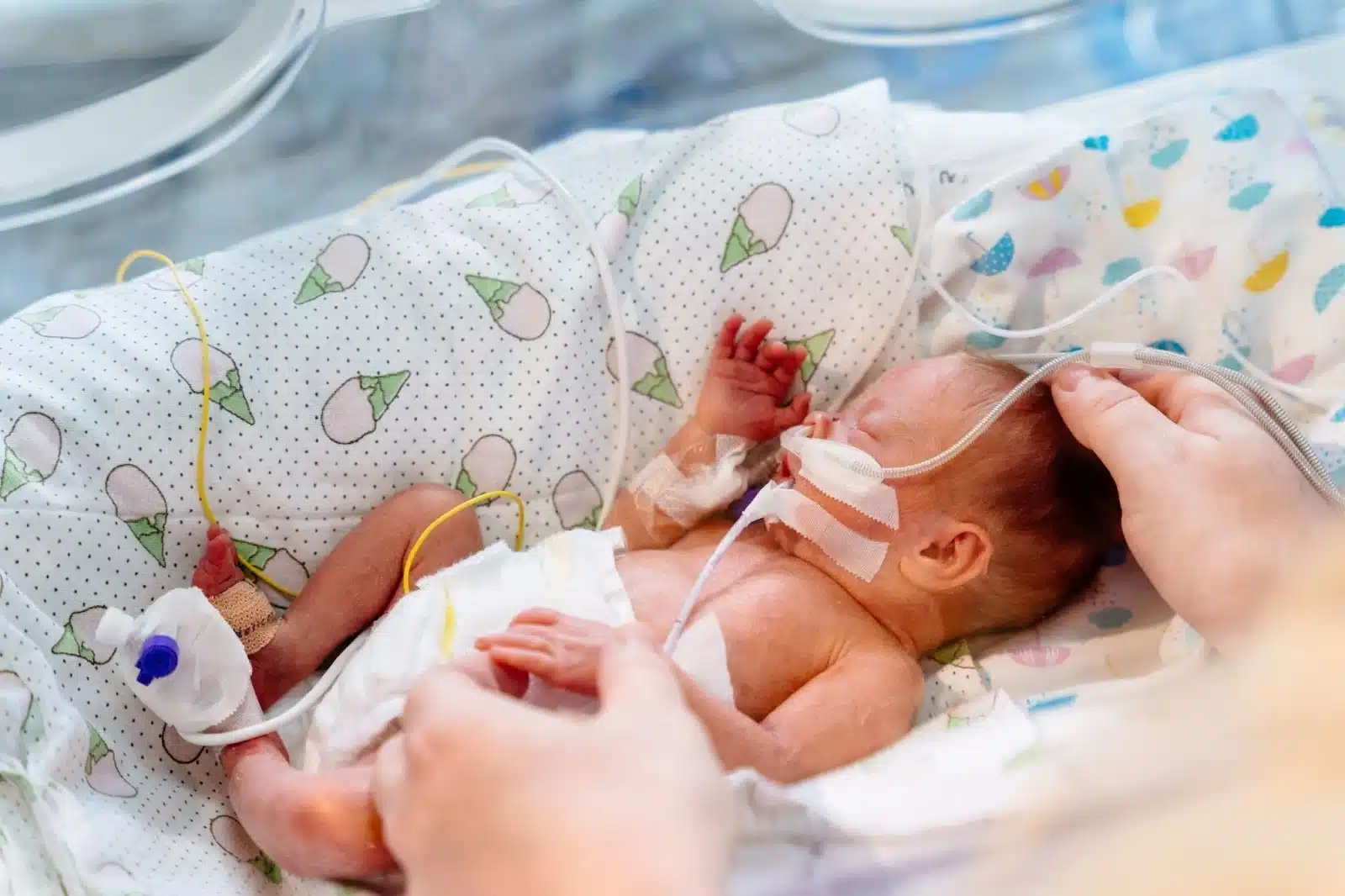
Causes and risk factors in Thailand
Preterm birth can happen for many reasons. Some births start on their own due to early labour. Others happen because doctors need to deliver early, for example, due to infection, pregnancy problems, or other medical reasons (including induction or caesarean section).
Common risks include:
- Multiple pregnancy
- Infection
- Long-term health issues in the mother, such as diabetes or high blood pressure
- Lifestyle factors, including smoking, drug or alcohol use, poor diet, and high stress
Thai studies and health reports also point to local risks. These include missed or late antenatal care, high blood pressure disorders in pregnancy, placenta praevia, carrying more than one baby, and infections in the mother (including vaginal infection and oral disease). Rates vary by area, with recent figures ranging from 8% to 18%. Some groups face higher risks too, such as teenage mothers, women with short gaps between pregnancies, and those living in rural areas or with fewer years of education.
Why the 9.91% rate matters
With a preterm birth rate of 9.91%, Thailand sits above the global benchmark. This suggests there is still work to do, even with a strong universal health coverage system. A higher rate can mean more newborn deaths and more children living with long-term health needs. It also adds to pressures in hospitals at a time when Thailand’s total births have fallen, dropping under 500,000 a year in recent years.
The DoH also stresses the wider costs. Preterm babies often need longer stays in hospital and specialist neonatal care. Many families then need follow-up support for development and learning, which can be expensive and emotionally exhausting.

What the Department of Health is doing
The DoH is working with the Ministry of Interior, the Bangkok Metropolitan Administration (BMA), and partners such as the WHO and the Maternal and Infant Health Network Project (under Royal Patronage). Their shared target is to bring Thailand’s preterm birth rate down to 8% or less.
Planned and ongoing actions include:
- Early, regular antenatal care: Promoting at least five prenatal visits, starting from week 12 of pregnancy.
- Screening for key risks: Routine checks for five main issues, diabetes, high blood pressure, anaemia, vaginal infections, and oral diseases, so care can start sooner.
- Health promotion at the community level: A new health improvement project supports families and communities to understand risks and act early.
- Public awareness campaigns: Work with organisations such as TrueVisions highlights four clear messages: the dangers of preterm birth, why early pregnancy registration matters, how families can help prevent early birth, and warning signs such as contractions, bleeding, or water breaking early.
These steps also build on the Maternal and Infant Health Network Project, which has helped improve access to care in rural areas and reduce preterm births. In April 2025, the WHO worked with the Ministry during World Health Day activities under the theme “Healthy Beginnings, Hopeful Futures”. This launched a year-long campaign (2025 to 2026) focused on awareness and better care to prevent preterm birth.
Alongside this, the DoH is drafting standard operating procedures (SOPs) for early pregnancy registration (within 12 weeks), closer follow-up of high-risk pregnancies (including women with a past preterm birth), and immediate care for preterm babies in delivery rooms.
Health experts say many deaths linked to preterm birth can be avoided. They estimate that around three-quarters could be prevented with affordable steps, including nutrition advice, early ultrasound, antenatal steroids when needed, and kangaroo mother care.
What comes next
Thailand is moving through a major shift, with fewer births and more older people. Reducing preterm birth is a key part of improving child health and easing pressure on health services. The DoH plan brings together screening, public education, and joined-up support across services, which gives a clearer route to lowering the rate.
Ongoing investment in maternal health, early checks, and family-centred care will help more babies get a safer start.


