



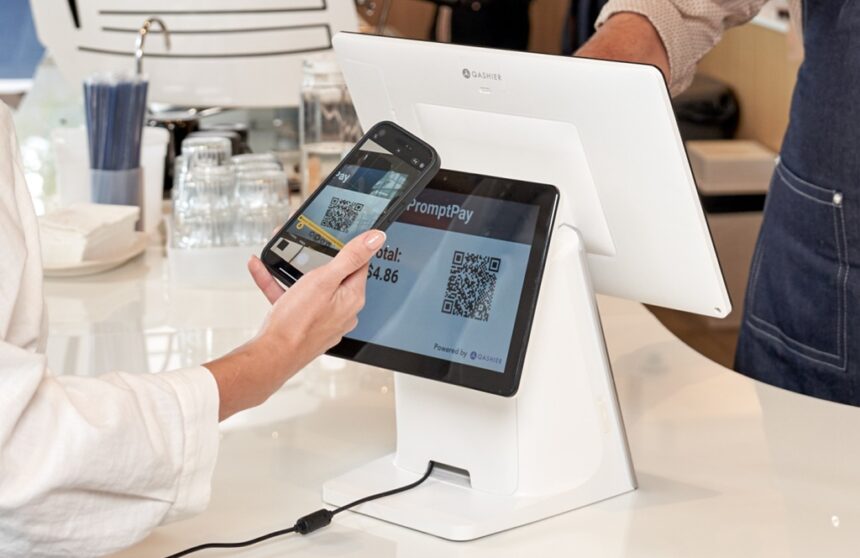
BANGKOK– Across Thailand, payments often take seconds. A street food stall, a taxi, or a shopping centre checkout can all be settled with a quick QR code scan. That everyday habit is driven by PromptPay, Thailand’s national real-time payment network. It has helped push the country towards a cashless economy and is starting to shape how payments link up across Southeast Asia.
PromptPay launched in 2017 as part of the Bank of Thailand’s National e-Payment Master Plan. It lets people send money instantly using a mobile number or a national ID, so there’s no need to share bank account details. It also works across all major banks, and fees are low, often free, which has made it easy for people to adopt.
By mid-2025, PromptPay had more than 81 million registrations, which is close to full adult coverage in a country of around 71 million people. Use has climbed just as quickly. Monthly transactions reached 2.1 billion in March 2025, up 13% year on year, and later months rose even higher.
Daily activity has climbed to about 75 to 76 million transactions. That adds up to hundreds of payments per person each year. PromptPay now sits at the centre of everyday spending in Thailand, covering peer-to-peer transfers and QR code payments for shops of every size. In mobile payments, PromptPay-linked transfers hold around 41.6% market share, well ahead of many e-wallet options.
Bank of Thailand officials and industry observers often point to ease of use and broad access. PromptPay isn’t treated as a specialist banking tool; it’s part of daily life. Street traders, local shops, and public services use it, including government welfare payments. That reduces the cost and risk of handling cash and helps bring more people into the financial system, especially outside the big cities.
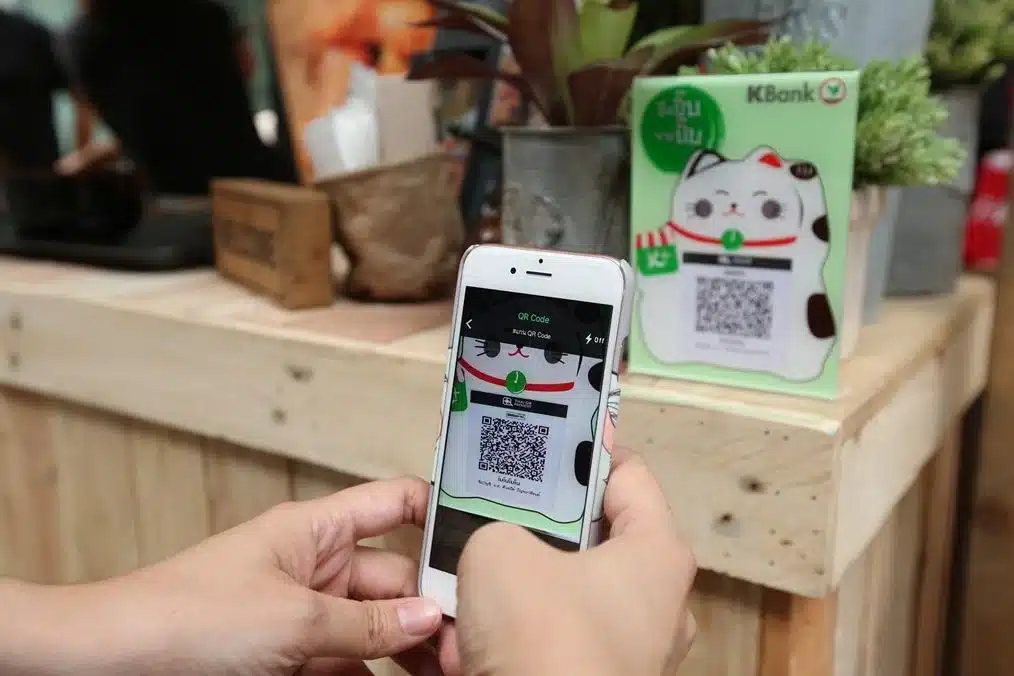
PromptPay Helps Drive ASEAN Payment Links
PromptPay’s influence no longer stops at Thailand’s borders. Thailand has built cross-border QR payment connections with several markets, making it easier for tourists, migrant workers, and businesses to pay and get paid.
These links include Singapore (via PayNow), Malaysia (DuitNow), Indonesia (QRIS), Vietnam (VietQR), Cambodia (KHQR), Laos, and Japan. Thailand has also expanded support for Chinese payment brands such as Alipay, UnionPay, and WeChat Pay, so many visitors can scan Thai QR codes and pay directly.
Cross-border volumes are rising quickly. In some periods, monthly totals have reached hundreds of millions of baht, with year-on-year growth above 100%. Much of this work sits under ASEAN Payment Connectivity efforts and programmes such as Project Nexus. The aim is practical: support local currency settlement, cut dependence on the US dollar for regional payments, and reduce costs compared with traditional remittance routes.
Analysts at the ASEAN+3 Macroeconomic Research Office have described Thailand’s approach as a strong reference point for wider ASEAN integration. Shared QR standards and real-time settlement can support tourism, help small businesses trade across borders, and make remittances easier, all of which feed into regional growth.
PromptPay Progress Comes With Risks
Even with strong results, there are issues to manage. Cybercrime has led to tougher action on mule accounts and fraud networks. There is also a gap in digital skills in some rural areas, which can slow adoption or raise the risk of scams.
The Bank of Thailand continues to update the system. That includes work with Mastercard on infrastructure improvements and steps tied to new services, including virtual banking.
Thailand’s digital economy is expected to keep growing at a strong pace, and PromptPay is often used as an example of how real-time payments can work at a national scale. With forecasts pointing to even higher volumes by 2030, PromptPay supports Thailand’s long-term financial goals and strengthens the country’s role in Southeast Asia’s connected payments network.
From Bangkok night markets to shopping trips abroad, a single scan now helps people move money across borders, showing what clear policy and practical tech can achieve for everyday users.