


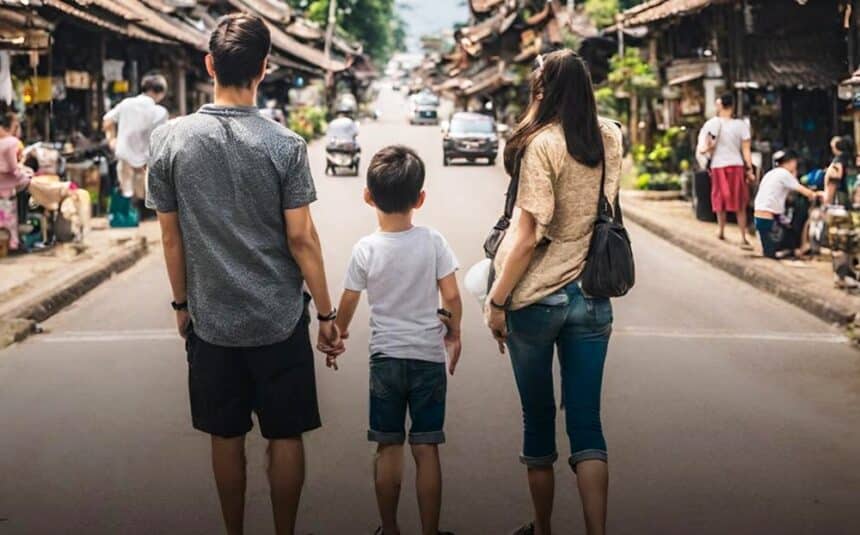
Morning in Chiang Rai can feel almost unreal to a Canadian parent used to packed schedules. Breakfast is slower. The school run doesn’t have to mean bumper-to-bumper traffic. Weekends can be as simple as a market stroll, a park stop, then a short drive to greenery that looks like it belongs on a postcard.
In 2025, more Canadian families are looking at Chiang Rai for a reason that goes beyond saving money. They want a calmer baseline for daily life, more time together, and a place where kids can grow up with space to roam.
This guide lays out what draws families in, plus the real tradeoffs: living costs, housing choices, schools and childcare, healthcare realities, seasonal air quality, and the planning that matters before moving. Every family’s needs are different, so the goal is clarity, not hype.
What Makes Chiang Rai Feel Like a Good Place to Raise Kids
Chiang Rai is a small northern city by Thai standards. That’s part of the appeal. It often feels like a place built for routines, not a constant rush. For many newcomers, the day-to-day vibe is the first thing that stands out: streets that feel calmer, neighbours who notice a new family, and a city size that’s easier to learn.
Some Canadian parents compare it to choosing a smaller hometown over a major metro. Bangkok offers more of everything, but also more noise, longer commutes, and higher costs. Tourist-heavy areas can be fun, but they can also feel transient, with frequent turnover in neighbours and seasonal crowd surges.
Safety is a common question, and it’s best treated in practical terms. Chiang Rai can feel safe in many areas, but it’s still a city. Families do well when they choose neighbourhoods carefully, use normal common sense (especially around roads and traffic), and build a local routine that keeps kids supervised and accounted for.
The community feels matters too. When daily life is less anonymous, newcomers often settle faster. A friendly hello at a café, familiar faces at the market, and regular school pick-ups can turn a new country into something that feels surprisingly normal.
A slower pace that gives families more time together
A slower pace is not just a nice idea; it changes the shape of a day. Less traffic often means shorter commutes and fewer stressed-out transitions. That can lead to more shared breakfasts, calmer school mornings, and dinner at a reasonable hour.
Many families find that kids sleep better when evenings are steady. A typical weekday might include a walk to a local shop, an after-school park stop, then a simple meal at home. It’s not glamorous, but it can be the point.
There’s also less pressure to “book the weekend.” In Chiang Rai, a family can keep plans light and still feel like they did something. That can be a relief for parents who are used to spending weekends racing between activities.
Outdoor space and simple weekend adventures close to home
Chiang Rai makes it easier to say yes to small adventures, the kind that don’t require pricey tickets or long travel days. For kids, it’s often about movement and novelty, not luxury.
Common family-friendly outings include:
- City parks and playgrounds after school
- Local markets where kids can try fruit, snacks, and desserts
- Waterfalls and nature spots for a half-day trip
- Short drives into the hills for cooler air and views
- Temples and cultural sites that feel calm and open
- Seasonal festivals that bring music, food, and community energy
- Casual cafés that welcome families and don’t feel rushed
The big win is access. Nature is close enough that it can be part of normal life, not a once-a-year vacation.
Cost of Living in Chiang Rai, Why the Numbers Work for Canadian Families
For many Canadian households, finances are the spark that starts the conversation. Chiang Rai often offers better value than Bangkok and Thailand’s major tourist islands, especially for rent, everyday meals, and services.
Based on widely reported 2025 cost ranges, a family of four in Chiang Rai is often estimated at around 35,000 to 70,000 THB per month (approximately $1,000 to $2,000 USD), depending on choices. Costs can run much higher with full international schooling and a more imported lifestyle.
The most important detail is that “cost of living” isn’t one number. Two families can live in the same city and spend wildly different amounts.
What changes the budget most:
- Local groceries versus imported foods
- Motorbike use versus owning a car
- Local school choices versus private bilingual or international tuition
- A basic apartment versus a newer house in a gated community
- Private insurance and clinic habits
Chiang Rai can work well for Canadian families because it gives room to choose. It’s possible to live simply without feeling cut off from comfort, but it takes honest planning.
Housing options, rent value, and what “comfortable” can look like
Housing is often where families feel the value right away. In 2025 ranges, rent for a 2 to 3 bedroom home or spacious place is commonly cited around 10,000 to 40,000 THB per month (about $280 to $1,120 USD). Some local houses and townhouses can be found lower, and newer gated homes can sit at the high end or beyond.
Many Canadian families aim for one of these setups:
- A house with a small yard for outdoor play and pets
- A place in a quieter neighbourhood close to a school route
- A gated community for shared security and tidy streets
- A condo with on-site maintenance and fewer surprises
Longer leases can sometimes reduce monthly rent. It also helps families settle into a school year without moving again mid-term.
Before signing, parents often do a careful walk-through. A simple inspection checklist can prevent months of stress:
- Water pressure and hot water reliability
- Internet speed and which provider serves the area
- Signs of mould or a damp smell, especially in bathrooms
- Noise at night (dogs, traffic, nearby bars)
- Travel time to school during the morning rush
- Any known flood history for the street or property
A home can look perfect at noon and feel very different at 9 p.m., so many families view properties twice.
Schooling and childcare costs, the biggest budget difference
For most Canadian families, schooling is the line item that decides the whole budget. Chiang Rai has options, but fewer than bigger centres like Chiang Mai or Bangkok, so planning matters.
Typical pathways include:
- International schools (often English-first, higher fees)
- Bilingual programs (a mix of Thai and English)
- Local schools (lowest cost, language adjustment required)
- Homeschooling (family-led or tutor-supported)
- Online programs (useful for continuity with Canadian curricula)
The reported 2025 ranges for international school fees can be broad. For two children, families may see totals around 20,000 to 80,000+ THB per month (roughly $560 to $2,240+ USD), depending on the school and grade level. Even one child’s tuition can shift the “affordable” story quickly.
Parents who plan well tend to contact schools early and ask about costs beyond tuition. Many schools have extra fees for uniforms, books, buses, activities, and exams.
Good questions to ask upfront:
- What curriculum is used, and how portable is it?
- What are typical class sizes?
- What language support exists for new English or Thai learners?
- What fees come up besides tuition?
- How long is the waitlist, if there is one?
In a smaller city, limited spots can be the real constraint, not just price.
Schools, Healthcare, and Support: the Practical Needs Parents Ask About First
When families picture life in another country, the big questions come fast: Will the kids be happy at school? What happens if someone breaks an arm? Where do they go for a specialist?
Chiang Rai has strong basics for a regional city, including hospitals and private clinics that can handle routine needs. Many families feel comfortable once they understand the local system and have a plan. The honest part is that complex specialist care may still mean travelling to Chiang Mai or Bangkok, depending on the issue and the provider.
A calm move often includes a simple “family health plan,” not a thick binder, just clear choices:
- A local clinic for quick visits
- A preferred hospital for bigger concerns
- Emergency numbers saved in phones
- Insurance that matches the family’s risk comfort
Choosing the right school fit, language, curriculum, and child happiness
Canadian parents often choose a school based on the child’s age and temperament, not just academics. A confident teenager may adapt differently from a shy six-year-old. A family planning to return to Canada in two years may want a different curriculum than a family aiming for long-term life in Thailand.
School tours matter. Parents who get useful answers often ask about daily systems, not glossy marketing.
On a tour, they may ask:
- How does drop-off and pick-up work, and who supervises?
- What’s the approach to discipline and conflict?
- Is there learning support for reading, language, or attention needs?
- What is the bullying policy, and how is it enforced?
- How does the school handle smoky season days and outdoor time?
- What clubs, sports, and creative activities exist after class?
Child happiness can be hard to measure in a single visit. Some families do a short trial term or summer program when possible, especially if the move is not urgent.
Healthcare in Chiang Rai: what is easy locally and what may require travel
Routine healthcare is often straightforward. Families can usually find dental care, basic paediatrics, vaccinations, and general checkups through local hospitals and private clinics. Many parents appreciate shorter wait times compared to what they experienced back home, though experiences vary by facility and time of day.
For advanced care, the plan changes. Certain specialists, complex imaging, or more involved procedures may be easier to arrange in larger cities. Some families keep a “travel for care” mindset, similar to how rural Canadians sometimes travel to regional centres for specific services.
Costs vary widely, but planning helps. Reported 2025 estimates for private healthcare and insurance might land around 3,000 to 15,000 THB per month (about $85 to $420 USD), depending on coverage and how often care is used, with big one-off expenses possible without insurance.
Practical habits that reduce stress:
- Keep digital copies of medical records and immunization history
- Choose clinics that can communicate clearly in English when needed
- Know which hospital has 24-hour emergency services nearby
- Keep a small medical kit for common kid issues
What Canadian Parents Should Plan For Before Moving to Chiang Rai
Chiang Rai can be a great fit, but families do best when they treat the move like a project. The biggest surprises tend to come from paperwork, school timing, smoky season, and underestimating how long it takes to build a community.
A move also changes work life. Some parents work remotely and keep Canadian clients. Others look for local roles, which can have different rules and income levels. Clear expectations help, especially around time zones, school schedules, and childcare coverage.
A short, save-worthy pre-move checklist can keep planning grounded:
- Confirm visa path and timelines for every family member
- Shortlist schools and book tours early
- Price out a real monthly budget in THB, including school extras
- Choose 2 to 3 neighbourhoods to test during a trial stay
- Build a healthcare plan (clinic, hospital, insurance)
- Plan for air quality season and indoor activities
- Decide what to ship, what to store, and what to buy locally
Visas, renewals, and staying compliant as a family
Visa rules can change, and family situations vary. Some households need a mix of statuses (a working parent, a dependent spouse, school-related options for kids, or other arrangements). The key is to plan early and stay organized.
Families often reduce stress by building a simple document system. That might include scanned passports, birth certificates, proof of funds when required, school letters when applicable, and a calendar of renewal dates.
It also helps to confirm requirements through official sources and, when needed, use reputable help for filings. The goal isn’t to “figure it out later.” It’s to avoid last-minute scrambles that can disrupt school and work.
Air quality season and daily health habits for kids
Northern Thailand has a smoky season that can affect air quality, often linked to regional burning and weather patterns. For parents, this is not an abstract concern. Kids breathe faster than adults, and poor air can mean coughs, missed outdoor play, and more indoor days.
Families who thrive through this season tend to treat it like winter in Canada. They don’t panic, but they plan.
Common coping steps include:
- Check local air quality reports and adjust outdoor time
- Use indoor air filters at home, especially in bedrooms
- Keep well-fitting masks for bad days, if needed
- Choose indoor play options when the air is poor
- Consider travel during peak smoky weeks, if school schedules allow
Some families plan school breaks around the worst period, while others focus on creating a comfortable home setup for indoor days.
Conclusion
For many Canadian parents, Chiang Rai offers a rare mix: a calmer daily rhythm, better value for housing and basics, easy access to nature, and a community feel that helps families settle. It’s not perfect, and the tradeoffs are real. School options can be limited, specialist care may mean travel, visa planning takes work, and seasonal air quality needs a strategy.
The best next step is simple and practical: a trial stay. A few weeks can let a family visit schools, test neighbourhood routines, and build af a real monthly budget before making a long commitment. The question that matters most is not whether Chiang Rai is “good,” it’s whether it fits the way their family wants to live.