

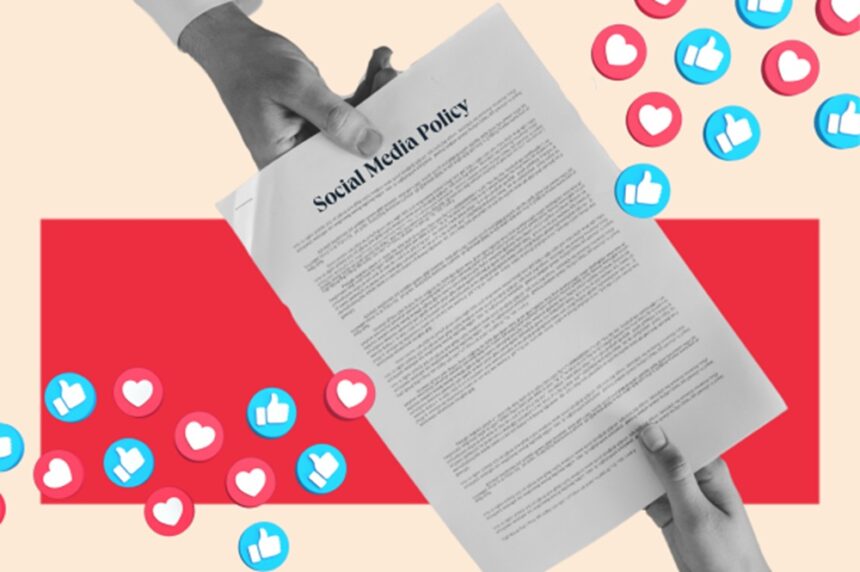
In 2025, social media platforms made some of their biggest content policy changes in years. Politics, new tech, and tougher rules from regulators all played a part. Meta, X (formerly Twitter), YouTube, and TikTok each rewrote key parts of their content moderation policies. Much of it came from pressure around misinformation, AI-made posts and videos, and where free speech ends and harm begins.
These updates were not small tune-ups. They changed what billions of people can post, what creators can earn from, and what advertisers feel safe supporting. Some platforms stepped back from strict enforcement, while others tightened rules around low-quality AI content. By the end of 2025, the lines around acceptable content looked different, and the effects showed up in creator income, public debate, and even global politics.
Meta’s Big Shift: From Fact-Checkers to Community Notes
Meta delivered the year’s biggest surprise early on. On January 7, CEO Mark Zuckerberg announced major changes for Facebook, Instagram, and Threads. Meta ended its third-party fact-checking program, which had been in place since 2016. In its place, Meta introduced a user-driven Community Notes system, similar to what X uses.
Zuckerberg presented the change as a response to what he called overreach. He said automated tools and outside fact-checkers had removed harmless posts and cooled down the discussion. Meta also eased limits on topics that often trigger debate, including immigration, gender identity, and politics. At the same time, it said it would focus enforcement on illegal or high-severity issues such as child exploitation, terrorism, and scams.
By March, Meta launched Community Notes using open-source technology from X. Users could add context to posts that might be misleading across Meta’s apps, but not on paid ads. The idea was to add more information, not to remove posts by default.
Civil rights groups, including GLAAD and the Real Facebook Oversight Board, criticized the decision and tied it to politics in the U.S. Later reports described increases in harmful content aimed at marginalized groups. Under updated hate speech rules, some language that was once restricted became allowed if Meta saw it as part of “mainstream discourse.”
Creators saw a different kind of risk. Some political content faced less demonetization pressure, but misinformation had more room to spread. Advertisers raised brand safety concerns, and some reduced spending. Meta’s Oversight Board also criticized the rollout, calling it rushed and saying the company did not do enough human rights review first.
By the end of the year, the impact was not limited to the U.S. Meta applied the looser approach in other regions too, which raised concerns about misinformation in places heading into major elections.
X’s Ongoing Changes: More Notes, More AI
X continued along the path it set after 2022, with an approach often described as “freedom of speech, not reach.” In 2025, the platform did not rewrite everything, but it made steady changes that strengthened its community-based model.
One key update targeted the manipulation of Community Notes. X changed how voting worked, so repeated upvotes and downvotes from the same user counted in a more limited way. That reduced efforts to game the system. X also added AI support, including AI-written notes and translations, which helped notes show up for more users. Another feature highlighted a context where people across political lines agreed.
X kept pushing AI features through Grok and related tools. It also continued to rely on reduced reach rather than bans for many policy breaches. Its adult content rules stayed permissive when the content was consensual.
These moves kept X in its role as the platform with the most open posting rules. That drew users who felt other platforms were too strict. Advertiser pullback still continued, with brand safety staying a key worry.
YouTube Tightens Monetization Rules to Fight Inauthentic AI Content
YouTube faced a surge of low-effort, AI-generated videos in 2025. Mid-year, it updated its monetization rules to respond. On July 15, YouTube renamed its “repetitious content” policy to “inauthentic content.” The new wording clearly targeted mass-produced, duplicated, or recycled videos that offered little original value.
Channels that relied on AI narration over stock clips, copycat compilations, faceless reactions, or repeated formats faced demonetization or removal from the YouTube Partner Program (YPP). YouTube said AI tools were still allowed when creators added real value, such as original commentary or meaningful changes. Fully automated content with no clear effort was the main target.
YouTube described the shift as a small update to existing rules, but the impact felt bigger. It was meant to protect original creators and keep advertisers confident as “AI slop” spread. Enforcement blended automated checks with human review, which led to waves of demonetization and channel actions.
For creators, the message was clear. Original work mattered more, and shortcuts carried more risk. Some gaming and reaction channels felt the pressure, while educational and story-based content tended to do better. YouTube also adjusted ad suitability checks, with longer review times meant to improve accuracy.
TikTok Updates: LIVE Accountability, AI Rules, and a Stronger Commerce Push
TikTok updated its Community Guidelines with changes that took effect on September 13. The language became simpler, and new rules targeted specific areas where harm tends to show up.
TikTok tightened rules for LIVE content, with more responsibility placed on creators. That included expectations around third-party tools used during streams, such as real-time translation. TikTok also added stronger commercial content rules. Disclosures became more important, and the platform reduced visibility for some off-platform promotions where TikTok Shop operates. The direction was clear: TikTok wanted commerce to stay inside the app.
On AI content, TikTok expanded its bans to cover “misleading or harmful” generated media. It removed some older wording tied to fake endorsements, but it kept restrictions on deepfakes and similar deception.
TikTok also grouped and clarified rules around regulated goods, including gambling and tobacco, and refined its bullying guidance. The company said more than 85% of violations were detected automatically before users reported them.
These changes improved safety controls while supporting TikTok’s shopping goals. LIVE sellers and affiliate marketers felt the effects most, especially those relying on external links and promotions.
Bigger Patterns: Community Moderation, AI Problems, and Stronger Regulation
Across platforms, one trend stood out. Community Notes and user-added context gained ground, while top-down fact-checking lost space. Meta following X signalled a wider industry shift toward community-driven moderation, shaped by years of complaints about “censorship.”
AI content became another major stress point. YouTube focused on mass-produced and copied videos. TikTok and others struggled with misleading AI media, including deepfakes that spread fast even when labelled.
Governments also pushed harder in 2025. Australia introduced a nationwide under-16 social media ban, the first of its kind. In the U.S., several states moved toward age checks and parental consent rules, and federal proposals like the Kids Off Social Media Act gained attention.
In the EU, the Digital Services Act (DSA) drove new requirements for transparency, non-personalized feeds on very large online platforms (VLOPs), and ad libraries. X faced a €120 million fine for breaches, and TikTok reached a settlement tied to ad issues.
Child safety remained at the centre. Many rules focused on limiting targeted ads to minors and setting clearer age assurance standards.
Misinformation policies also split. Some platforms loosened internal rules, while regulations in other regions pushed in the opposite direction.
What It Meant for Creators and Users
Creators ended up dealing with two different realities. Meta and X offered more room for political speech, while YouTube and TikTok pushed harder on originality and authenticity. Monetization depended more on real effort, even as AI tools became common.
Users saw more content stay up instead of being removed, but that also meant higher exposure to misleading posts. Community Notes could help add context, but the system depended on active participation and good faith.
Advertisers continued to weigh reach against risk. Some platforms became harder to justify when brand safety concerns grew.
Political pressure also shaped the changes. Policy choices often matched bigger shifts in the U.S., which kept the free speech versus safety debate in the spotlight.
Looking Ahead: A More Split Future
The 2025 policy changes showed a clear fatigue with heavy moderation, plus a need to respond to AI-driven spam and deception. Platforms bet on community input and more targeted enforcement.
The next challenges are already lined up. Reduced checks can bring more harm; regulators will keep pushing rules that clash across borders, and AI deception will keep improving.
Heading into 2026, platforms may try to align policies across regions, or they may split further as the U.S. and EU take different approaches. One thing stayed consistent through 2025: the rules kept changing, and they are not done yet.