



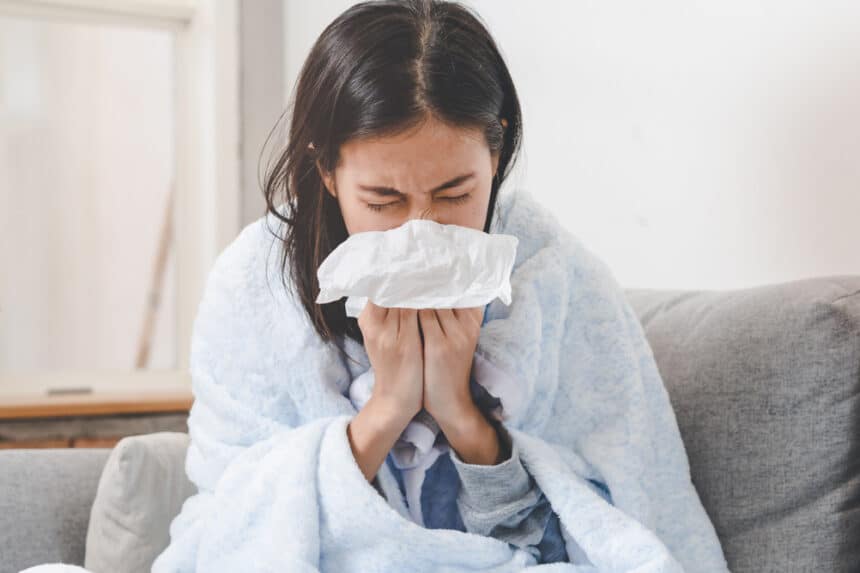
Every winter the news talks about a Super Flu that is filling up hospitals. It is easy to feel scared when you see words like that online. But most of the time, Super Flu is just a nickname for a strong flu season or for a flu strain that spreads faster than normal. In this guide, we will look at what Super Flu really means, what is happening with the latest flu outbreak, and simple steps you can take to protect yourself and your family without panic.
In simple terms, Super Flu is a way people describe a bad flu year, not a scientific term for a new monster virus. This winter, many headlines have focused on an H3N2 “super flu” wave, record flu hospitalizations in early December, and heavy NHS winter pressure in the UK.
This guide explains what that means in plain English. It covers what Super Flu is, how it links to the current H3N2 strain, what symptoms to watch for, who is most at risk, and clear steps to protect yourself and your family. The aim is to inform and reassure. Most people will still recover at home.
What Is Super Flu?
Super Flu is not an official medical term. It is a nickname people and the media use for a flu strain or flu season that seems worse than usual. Often, it describes a fast-spreading strain of influenza, such as H3N2, that causes more cases, more flu hospitalizations, or an early and severe flu outbreak. It still refers to seasonal flu, not a brand-new virus.
In practice, Super Flu usually means:
- More people get sick in a short time.
- Hospitals see flu wards and beds fill faster.
- Older adults and people with health problems are hit harder.
Strong flu seasons like this have happened before. Experts look at data, not headlines, and treat it as part of long-term seasonal flu patterns.
Super Flu vs normal flu: what is the real difference?
Super Flu and normal flu come from the same types of influenza viruses. The word “super” describes the season, not a different virus species.
Key differences are about scale and timing:
- More infections in the community.
- Earlier peak in the flu season.
- Sharper rise in hospital cases.
- More pressure on health services and staff.
For each healthy person, the risk from Super Flu can be similar to that in other severe flu years. The problem is numbers. As more people get infected, there is a greater risk of severe cases and flu complications among high-risk groups.
Why headlines about Super Flu sound so scary
Media outlets and social networks often pick strong words to get attention, such as “Super Flu”, “killer virus”, or “horror flu”. This can make a hard but normal flu season sound like a new disaster.
The same situation can sound very different:
- “Busy flu season” feels serious but manageable.
- “Super Flu swamps hospitals” feels more alarming.
Health agencies use calmer language and focus on data such as hospital admissions, intensive care cases, and deaths. Readers can stay safer by paying more attention to advice from official sources than to dramatic wording in posts or comments.
What Is Happening With the Current H3N2 Super Flu Outbreak?
This winter, a branch of the H3N2 strain, sometimes called subclade K, is driving a strong flu outbreak in several countries. In the UK, flu season began earlier than usual, and hospital numbers climbed very fast.
According to NHS England, flu patients in hospital reached record levels for early December, with around half again as many patients as the week before. Leaders have described this as a “worst-case scenario” for December pressure.
Experts say the virus does not appear to be more deadly per person than in past H3N2 seasons. The issue is that it is spreading widely at a time when many people have lower immunity, after several unusual winters with Covid and other viruses changing normal patterns. Commentaries, such as this Guardian analysis of the early peak, highlight how the timing is adding to the NHS’s stress.
This is still part of seasonal flu patterns, even if this year counts as a severe flu season.

H3N2 Super Flu explained in simple words
H3N2 is a type of influenza A virus. It is well known to doctors and has caused some of the toughest flu seasons in the past. It tends to hit older adults harder than children and younger adults.
Viruses like H3N2 evolve slightly over time. Subclade K is like a branch on the H3N2 family tree. You can picture it as the same virus wearing a slightly different coat. Because of this new “coat”, the immune system may not recognize it as well, which helps it spread.
Even so, it is still seasonal flu. It is not a completely new virus and is not the same as COVID-19.
Why flu hospitalizations are so high this year
Several factors are driving higher flu hospitalizations:
- The flu season started 4 to 5 weeks earlier than usual.
- Many people have lower flu immunity after recent winters when other viruses were more prevalent.
- The H3N2 strain has spread quickly through children, working-age adults, and older people.
When a lot of people catch flu at the same time, even if most recover at home, hospitals see more severe cases. In England, reports like this BBC piece on flu pressure in busy emergency departments describe hundreds of patients arriving each day with respiratory infections.
This is what people mean when they talk about “NHS winter pressure”.
Vaccine mismatch: what it really means for you
Flu vaccines are designed months before winter. Experts guess which strains are most likely to spread, then vaccine makers build the shot around those strains.
Sometimes the virus shifts a bit later. The “coat” changes, so the match between the vaccine and the circulating strain is not perfect. This is called a vaccine mismatch.
A mismatch can make it easier to catch the flu, but the vaccine still helps. It gives the immune system a head start, which often makes illness milder and shorter and lowers the risk of serious flu complications. Articles on H3N2 flu strain and vaccine advice stress that vaccination remains useful, especially for high-risk groups.
Super Flu Symptoms and Warning Signs
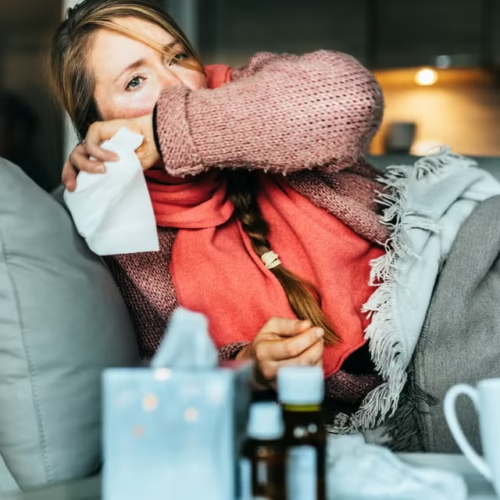
Super Flu symptoms are usually the same as strong seasonal flu. The difference is that they may feel more intense, especially in people whose health is already fragile.
Flu symptoms can overlap with COVID and other respiratory infections like RSV. Testing and advice vary by country.
Common Super Flu symptoms
Typical Super Flu symptoms include:
- High temperature or fever
- Chills and shivering
- Aching muscles and joints
- Headache
- Sore throat
- Dry or chesty cough
- Feeling very tired and weak
- Runny or blocked nose
Some children also have stomach problems such as vomiting or diarrhea.
Flu often comes on suddenly, sometimes in a single day. Normal tasks like work, school, or caring for family can feel impossible.
How Super Flu feels different from a cold
Super Flu and a simple cold can share symptoms like a cough or sore throat, but they often feel different:
- Flu starts fast, while colds tend to build up slowly.
- Fever is higher and more common with flu.
- Muscle and joint pain are stronger.
- Fatigue can feel as if you have been “hit by a bus”.
With a cold, many people can still work or study. With flu, most people need to stay in bed. Guides such as this Independent explainer on super flu vs a cold give similar comparisons.
Flu vs COVID and other respiratory infections
Flu, Covid, and other respiratory infections can all cause:
- Fever
- Cough
- Sore throat
- Tiredness
- Body aches
There are some differences, but they are not always clear without testing. Local health services, such as NHS 111 in the UK, can advise when tests or medical reviews are needed. Whatever the virus’s name, staying home when sick and protecting high-risk people are key steps during flu season.
Who Is Most at Risk From Super Flu?
Many healthy adults recover from Super Flu at home. Some groups, however, face a higher risk of serious illness or flu complications, such as pneumonia.
These higher-risk groups are also more likely to need hospital care during a strong flu season.
High-risk groups for flu and Super Flu
People at higher risk include:
- Older adults, especially over 65 and even more over 75
- People with long-term health problems, such as heart disease, lung disease, asthma, diabetes, or kidney disease
- People with weak immune systems, for example, due to cancer treatment or certain medicines
- Pregnant women
- Very young children and babies
- People who live in care homes or long-term care settings
Their lungs or immune systems may not handle infections as well, so the flu can move deeper into the chest or put extra stress on the heart and other organs.
Flu complications to watch for in vulnerable people
Flu complications are problems that happen because of the flu. Examples include:
- Pneumonia, a serious lung infection
- Worsening of asthma or COPD
- Heart strain or heart attacks
- Dehydration
Warning signs in older or frail people can include sudden confusion, fast breathing, chest pain, little or no drinking or peeing, or not getting out of bed. High-risk people should get early advice from a doctor or health service if flu symptoms start, since antiviral medicines work best when used early.
How Dangerous Is Super Flu Compared With Normal Flu?
The key question is simple: has flu itself become more deadly?
Current evidence suggests the H3N2 Super Flu strain does not kill more people per infection than past H3N2 seasons. The danger comes from how many people catch it and how early the season started.
Normal flu is already serious for some people. A severe flu season increases hospitalizations and deaths overall, even if the virus type is familiar.
Is Super Flu more dangerous than normal flu?
Super Flu is usually a label for a bad flu season, not a new virus. For most healthy people, the personal risk is similar to other strong flu years.
The main dangers are:
- Many more infections in the community
- More serious cases among high-risk groups
- Hospitals and clinics are coming under heavy strain
Even when the virus is not more deadly person-to-person, it still deserves respect. Prevention and early care matter.
Why hospitals struggle during a Super Flu wave
Hospitals face normal winter pressure from heart attacks, strokes, injuries, and planned surgery. A sharp flu wave adds thousands of extra patients, many with breathing problems.
Reports such as the BBC’s look at why flu is so bad this winter and whether to get vaccinated (BBC flu winter explainer) describe how beds and staff are stretched. When services are full, waits get longer for everyone.
That is why public steps like vaccination, hand washing, and staying home when sick help both families and the health system.
How To Protect Yourself and Your Family From Super Flu
There is no perfect shield against Super Flu. Still, simple daily habits reduce the chance of catching the flu and passing it to others.
These steps also help against other respiratory infections.
Everyday flu prevention tips that really help
Helpful flu prevention tips include:
- Get the flu vaccine if it is offered to you.
- Wash hands often with soap and water for 20 seconds.
- Use alcohol hand gel when soap and water are not available.
- Avoid close contact like hugs or handshakes with people who are clearly sick.
- Cover coughs and sneezes with a tissue or your elbow.
- Throw away used tissues and wash your hands afterward.
- Stay home and rest if you have flu symptoms, if you can.
- Open windows slightly to let in fresh air when visitors come.
- Wear a mask in crowded indoor spaces if you, or those around you, are at high risk.
Each step cuts the spread of droplets that carry the virus.
Why the flu vaccine still matters in a Super Flu season
Even in a year with some vaccine mismatch, the flu shot still helps:
- It lowers the chance you catch the flu at all.
- If you do get the flu, the illness is more likely to be milder.
- It reduces the risk of hospitalization and severe flu complications, especially among high-risk groups.
It normally takes about two weeks after the shot for full protection. Articles, such as this guide on H3N2 Super Flu symptoms and safety, highlight the ongoing value of vaccination in severe seasons.
If you are unsure about the flu vaccine, talk with your doctor, pharmacist, or local health service.
Protecting elderly relatives and people with health conditions
People who care for older adults or those with long-term illnesses can help by:
- Checking they are up to date with flu vaccines.
- Washing hands before and after using public transport.
- Staying away or wearing a mask if you have any cold or flu symptoms.
- Helping them get medical advice quickly if they become unwell.
- Setting up simple backups for shopping and medicines during flu season.
Small acts, like dropping groceries at the door when you feel sick, can greatly lower their risk.
When To See a Doctor or Get Urgent Help for Super Flu
Most people with flu can rest at home, drink plenty of fluids, and use common fever medicine, following local advice. But some symptoms mean you should get medical help.
Rules vary by country, so always follow local guidance, such as NHS 111 in the UK.
When home care is enough
Home care is usually enough if:
- You are otherwise healthy.
- Symptoms are unpleasant but slowly improving over several days.
- You can drink fluids and go to the bathroom.
Basic home care tips:
- Sip water or oral fluids often.
- Eat small, light meals if you can.
- Use fever and pain medicine as advised by a health professional.
- Avoid heavy work or exercise until you feel better.
If you are unsure, speak with a nurse, pharmacist, or doctor.
Warning signs that mean you should see a doctor
Contact a doctor or health service if:
- Fever lasts more than 3 to 4 days, or returns after going down.
- Symptoms get worse instead of better.
- You have chest pain, ear pain, or strong sinus pain.
- You feel breathless walking across a room or speaking in full sentences.
- You feel very weak, dizzy, or are not peeing much.
Older adults, pregnant women, people with long-term illnesses, and very young children should seek help earlier if they have flu symptoms.
Red flag symptoms: when to get emergency help
Seek urgent or emergency help right away if you or your child has:
- Severe trouble breathing or gasping for air
- Lips, face, or nails turning blue or gray
- Chest pain or pressure that does not go away
- Sudden confusion, acting strangely, or being very hard to wake
- A seizure
- A child who will not drink or pee, or who is floppy or unresponsive
- Any very fast worsening of symptoms
Use your local emergency number, such as 999 in the UK or 911 in the US.
Super Flu: Frequently Asked Questions
What is Super Flu?
Super Flu is a nickname, not an official medical term. It is used during a very bad flu season or a fast-spreading strain of influenza, such as H3N2, that leads to more flu cases, more hospitalizations, or an early flu outbreak.
What are the symptoms of Super Flu?
Super Flu symptoms are the same as strong seasonal flu and often start suddenly. Many people feel much more unwell than with a simple cold.
Common symptoms include:
- High fever
- Chills and body aches
- Headache
- Sore throat
- Dry or chesty cough
- Extreme tiredness
- Runny or blocked nose
- Stomach issues in some children
Is Super Flu more dangerous than normal flu?
For most people, Super Flu is not a new type of virus. It is the same kind of flu spreading faster and infecting more people.
Because so many people get sick in a short time, hospitals see more severe cases and more deaths overall. High-risk groups are most affected, which is why prevention and early care are important, even in a “normal” flu year.
How can I protect my family from Super Flu?
You can lower the risk in your home by using simple daily habits and following official flu season advice.
Helpful steps include:
- Getting flu vaccines if offered
- Washing hands often with soap and water
- Staying home when you are unwell, if possible
- Keeping some distance from older or high-risk relatives when you are sick
- Opening windows for fresh air when guests visit
- Following guidance from your local health authority
When should I go to the hospital for the flu?
Go to the hospital, or seek emergency help, for:
- Severe trouble breathing
- Chest pain or pressure
- Blue or gray lips, face, or nails
- Sudden confusion or being very hard to wake
- Seizures
- Signs of severe dehydration that do not improve, such as no peeing and a very dry mouth
- A child who is floppy, unresponsive, or not behaving as usual
High-risk people should also seek urgent help if they feel very unwell or get worse quickly.
Can the flu vaccine stop Super Flu?
No flu vaccine can stop every case, especially when there is a vaccine mismatch. But flu vaccine effectiveness is still important. The shot greatly cuts the chances of severe illness, hospital stay, and death, especially in high-risk groups. When many people get vaccinated, community spread and pressure on hospitals both fall.
Is Super Flu the same as COVID?
No. Super Flu refers to severe seasons of influenza viruses such as H3N2. A different virus, called SARS-CoV-2 cause COVID. Symptoms can overlap, but they are separate infections, with different vaccines and treatments. Follow local testing and isolation advice if you have respiratory symptoms.
Why are hospitals so full if Super Flu is not more deadly?
When a fast-spreading strain infects many people in a short time, even a small share of serious cases can fill many beds. Hospitals also handle other emergencies and planned care simultaneously. Reports such as national coverage of flu pressures and why flu is so bad this winter explain how this combination strains services.
Conclusion
Super Flu is a nickname for a strong flu season, not a new type of virus. The current H3N2 wave is causing an early and busy flu season, with record hospitalizations in some countries, but the virus does not seem more deadly per person than in other recent H3N2 years. Most healthy people will still recover at home with rest and care.
Key steps to stay safer include:
- Getting a flu vaccine if you are eligible
- Keeping good hand hygiene and covering coughs and sneezes
- Staying home when you are sick, if possible
- Watching for warning signs in high-risk people and seeking help early
Staying informed, not scared, and taking small daily actions are the best ways to protect yourself, your family, and your community during any severe flu season.