



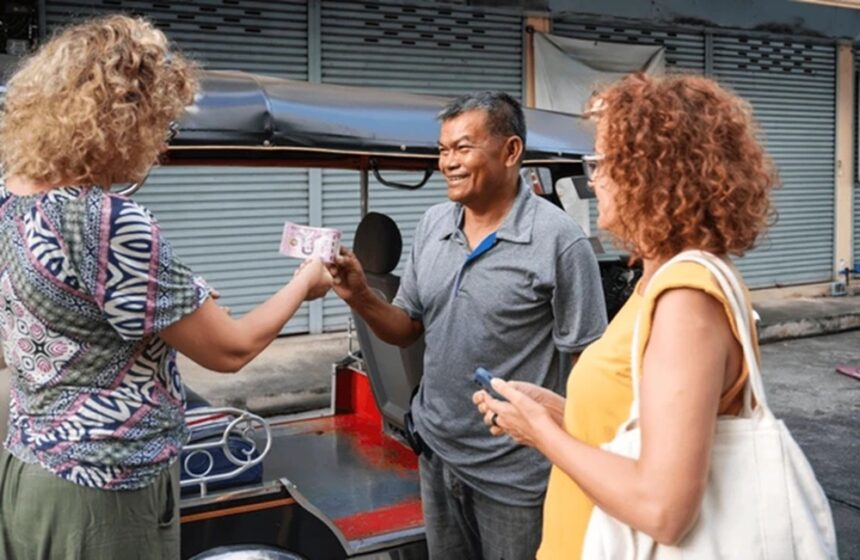
BANGKOK – As Thailand heads into its peak tourism season, the country’s travel industry is facing an unexpected problem: a strong Thai baht. The currency has climbed to its highest level against the US dollar in around four years. This might look like good news for policymakers and the central bank, but for hotels, tour operators, bar owners, and street vendors who depend on foreign visitors, it is becoming a serious concern.
The stronger baht is reshaping holiday budgets and pushing price-conscious travellers to cheaper alternatives nearby, especially Vietnam and Malaysia, where their money now goes much further.
The timing is particularly awkward. High season, which runs from November to February, is usually when visitors from Europe, North America, and Russia arrive in large numbers. They fill hotels, pack beaches, and bring in a surge of spending that supports local jobs long after they fly home. This year, with the baht trading at around $0.0317, or roughly 31.50 baht to the dollar, and up more than 8% since January, a classic Thai getaway is starting to feel much pricier.
The Cost of a Strong Thai Baht: Tourists Feel the Squeeze
For most Western travellers, a stronger baht means their home currency now buys less in Thailand. Every aspect of a holiday, from hotel rooms and meals to cocktails and boat trips, ends up costing more than it did even a few months ago.
Analysts note that a visitor exchanging $1,000 today would receive over 2,000 fewer baht compared with the currency’s low point earlier this year. That shortfall might not sound huge at first glance, but over a two-week stay, it chips away at what tourists can spend on food, nightlife, shopping, and activities.
Kriengkrai Thiennukul, chairman of the Federation of Thai Industries (FTI), puts it plainly: Thailand is turning into a relatively expensive destination compared with its neighbours. He points out that travellers will either tighten their belts or choose somewhere cheaper, which then hurts hotels, restaurants, and a whole chain of tourism businesses.
Industry observers warn that Thailand risks losing a meaningful slice of its expected tourism income. Some visitors are trimming their daily budgets, skipping optional tours, and cutting back on extras. Others are going a step further, cancelling trips and switching to more affordable countries in the region.
Vietnam and Malaysia Steal the Value Crown
While Thailand feels the strain, nearby countries are quietly enjoying the upside. Vietnam has become the star of the value-for-money category, especially for backpackers, families, and mid-range travellers who still want a classic Southeast Asian experience without high costs.
Holiday price comparisons paint a clear picture:
- Accommodation: Mid-range hotels in Vietnam typically fall between $25 and $50 per night, compared with around $40 to $70 in Thailand for a similar standard.
- Food: Local street food in Vietnam often costs around $1 to $3 per dish. In Thailand, a simple meal on the street usually runs at around $2 to $5.
- Spending power: For many European visitors, the Vietnamese dong offers more generous exchange rates, so their euros stretch far more than they do in Thailand.
Travel analysts say Vietnam delivers the scenery, food, and culture visitors expect from Southeast Asia, but at prices that better match the current global economic mood.
Malaysia is also benefiting. It usually sits in the middle of the regional price scale, yet feels like a bargain compared with Thailand right now. The Malaysian ringgit has not surged in the same way as the baht, so tourists get a more predictable and often cheaper experience. For someone planning a two-week escape, stable prices and better value can be very persuasive.
Government Moves and Industry Concerns
Thai authorities are not ignoring the problem. The government and the Bank of Thailand know that an overly strong baht can hurt key sectors, including tourism, which makes up around 12% of national GDP.
Several factors have pushed the baht higher, including steady capital inflows and strong demand for gold. To counter this, officials have encouraged state-owned companies to speed up imports and repay foreign debts more quickly. These steps are meant to ease some of the upward pressure on the currency. There is also talk of trimming the benchmark interest rate to make Thai assets slightly less attractive to overseas investors.
The Tourism Authority of Thailand (TAT) is trying to stay upbeat. It points to falling international airfares compared with last year and hotel room rates that look more competitive when sold through bulk contracts with major tour operators. TAT is also investing in marketing campaigns, cultural events, and large festivals to bring back some excitement and keep Thailand on travellers’ shortlists.
On the ground, however, the picture feels tougher. Visitor numbers are coming in lower than earlier forecasts, and spending per head seems to be slipping. In tourist hotspots like Pattaya and Phuket, smaller businesses report that guests are watching their wallets more closely.
Restaurant bills are smaller, bar tabs are shorter, and optional extras like spa packages or island-hopping tours are the first to be dropped.
A long-term foreign resident in Pattaya summed up the current mood with a dry remark. He said it is no longer about smiles or nightlife; it is the exchange rate that now decides whether he stays in Thailand or heads somewhere cheaper.
For would-be visitors, the decision is becoming clearer. They can stick with the familiar charms of Thailand and accept higher costs, or they can look to Vietnam or Malaysia, where their money can cover more experiences, meals, and nights out.
Right now, many are running the numbers and finding that Vietnam’s beaches and cities, along with Malaysia’s islands and food scene, look very tempting. When a simple exchange rate can unlock extra days on the road, more hotel upgrades, or an extra tour or two, it often becomes the deciding factor in where that next flight is booked.