


KORAT, Thailand – A special order from the Royal Thai Police (RTP) has stirred concern across Nakhon Ratchasima province, often called the gateway to Isan, after reports that foreign mercenaries, said to be Russian nationals, may have been hired by Cambodia to carry out sabotage against key Thai military and economic sites.
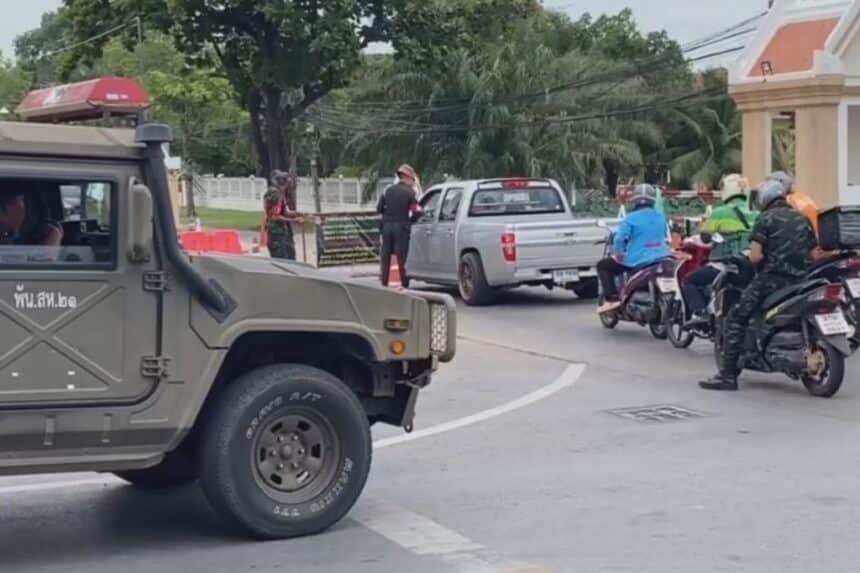
In a rare move for a province far from the active Thai-Cambodian border clashes, Provincial Police Chief Pol Maj Gen Narongsak Phromtha has instructed every police station under his command to closely track Russian citizens living in or visiting the area. The order became widely known after Phonkrang Police Station posted it on social media, where it quickly went viral. The post has sparked debate, raised anxiety, and pushed Korat into the centre of a tense security story.
Details in the police intelligence reports have caused serious concern. According to the RTP, a Russian national has allegedly been hired by Cambodian interests to use advanced drones to strike important locations in the province. The main target named in the reports is Wing 1 Air Base, a major Royal Thai Air Force (RTAF) facility that houses F-16 fighter jets.
These aircraft have reportedly taken part in recent air strikes on Cambodian military positions along the contested border. That role has made Wing 1 a likely target for retaliation or an attempt to weaken Thai air power.
Worries over drone attacks and spying have led Korat officials to repeat the strict ban on all drone flights within a 9-kilometre radius of the base. This rule is meant to protect aircraft operations and prevent any interference.
The idea that unmanned aerial vehicles (UAVs) could be used by foreign gun-for-hire groups or other non-state actors marks a sharp escalation in the shadow conflict between Thailand and Cambodia, stretching security concerns far beyond the frontline.
Operation ‘Spot the Suspect’: Police Focus on Tourist Areas
To respond to this reported threat, the Royal Thai Police have rolled out an intensive monitoring drive that depends heavily on help from local people and businesses. Officers, especially in the Mueang district, where key targets sit, have been told to carry out regular checks on all types of short and long-term accommodation.
This tight screening covers:
- Hotels and resorts: Police are checking guest lists and asking managers to flag any odd behaviour.
- Guesthouses: Smaller, family-run places are being reminded that they must legally register every foreign guest.
- Rental homes and apartments: Checks also cover private rentals, which many expats and long-stay visitors prefer.
Local stations are asking residents and property owners to report foreigners, particularly male Russian nationals, who act suspiciously. Examples include secretly filming military areas, watching troop movements, or entering restricted zones. The public has been urged to use the 191 hotline to report anything that seems out of place.
Pol Maj Gen Narongsak has confirmed that he held an online conference with heads of all 32 district stations in the province to coordinate the response. So far, he says, “Nothing suspicious had been detected.”
His message is meant to calm fears, while still stressing that police are taking the reports seriously. The heightened alert comes as Thailand tightens national security checks, including tougher screening at international airports for some groups of foreign travellers, such as visitors from parts of Eastern Europe who are seen as possible security risks.
Moscow Responds: Allegations Branded ‘Unfounded’ and ‘Fabricated’
The strong claims and the RTP orders have drawn a firm reaction from the Russian Embassy in Bangkok. In an official statement released after Thai media picked up the story, the Embassy rejected the allegations outright, calling them “unfounded” and likely “generated from outside of the region.”
The Embassy said the reports seem designed to “infringe upon the rights of Russian citizens staying in Thailand as tourists or for business purposes and to undermine the long-standing relationship between Russia and Thailand.”
The statement repeated Russia’s declared policy of staying out of the dispute. It cited an earlier message from the Russian Ministry of Foreign Affairs: “Russia has a lasting track record of upholding its traditional friendship and promoting cooperation with Thailand and Cambodia. We want all disputes to be resolved by peaceful means only.”
Moscow says it supports peaceful talks between Thailand and Cambodia, which it calls its two friends in Southeast Asia, and insists that any suggestion of Russians working as hired fighters in the conflict is false and harmful to relations.
Security vs Tourism: Thailand Tries to Hold the Middle Ground
Thai authorities now face a delicate task. They feel they must act on what is presented as credible intelligence to protect important assets like Wing 1 Air Base. At the same time, they risk causing diplomatic friction and damaging a valuable part of the tourism market.
Russian visitors play a major role in Thailand’s tourism recovery, from Bangkok and Pattaya to Phuket and other resort areas. If Russians feel unfairly targeted or discriminated against, it could hurt local economies that count on them for hotel stays, restaurant spending, and long-term rentals.
The Royal Thai Police are trying to strike a balance. They are asking for public awareness without stirring up fear or hostility towards foreigners. Their focus, they say, is on specific security concerns, not on all Russians or all foreign tourists.
Officials are still looking into where the original intelligence came from and how reliable it is. The results of that review will likely decide how long this security operation lasts in Nakhon Ratchasima and how intense it becomes. For now, with border clashes still in the background, the far-off Northeast has become an unexpected stage for Thailand’s wider security worries, watched closely by people at home and abroad.
For more context on the border tensions, you can watch this video: Thailand probes allegations of “foreign mercenaries” in Thai-Cambodian border clashes. This YouTube short gives a wider view of Thailand’s investigations into reports of foreign mercenaries near the Thai-Cambodian border.