




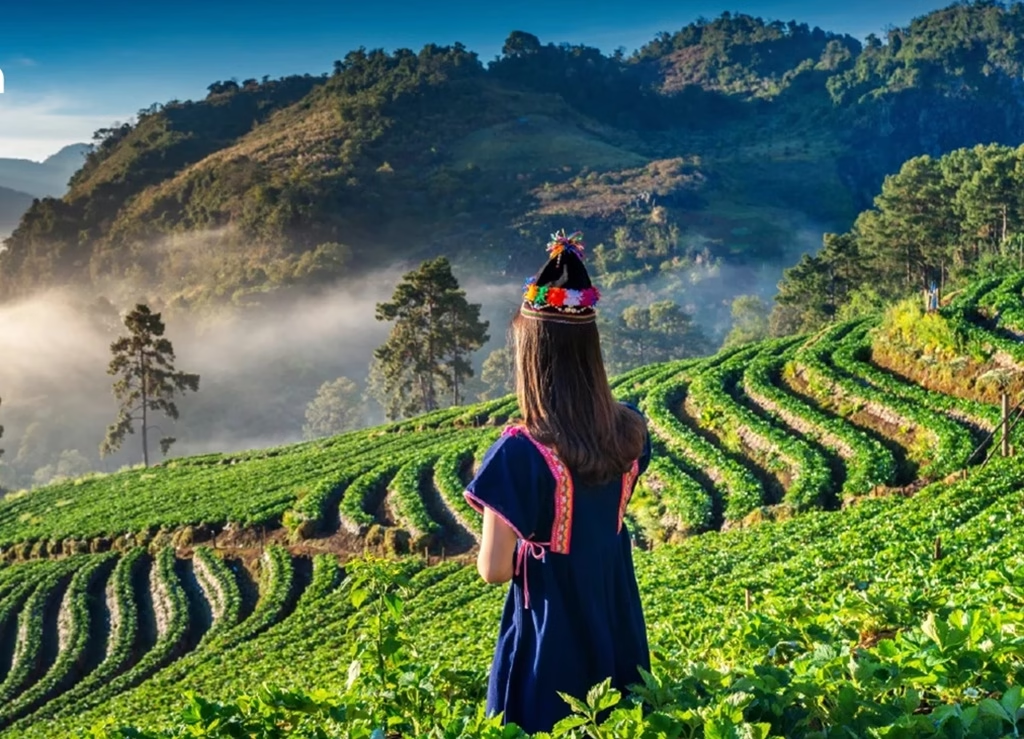
CHIANG RAI – High in the cool hills of northern Thailand, where green rice terraces fold over each other and tall teak forests murmur in the breeze, sits Chiang Rai, often seen as Chiang Mai’s quieter sibling. Founded in 1262 by King Mangrai as the first capital of the Lanna Kingdom, this northern province has grown from a guarded river settlement into a region rich in culture and wild beauty.
The gleaming White Temple steals most of the attention and attracts over a million visitors each year, but the true character of Chiang Rai lies in places that rarely make it onto standard itineraries. In those quieter corners, travellers find misty dawns, waterfalls that crash in lonely valleys, and hill tribe villages where life moves at the speed of sunrise and sunset.
For those who grew up here, Chiang Rai is not a checklist of sights but a patchwork of memories along forest trails, mountain roads, and village paths. In a time when travel photos all start to look the same, the province’s quieter spots still reward curiosity rather than hype.
December brings the cool season, when fog hangs in the hills, and the Chiang Rai Flower Festival brightens the 75th Anniversary Flag and Lamp Park. It is one of the best times to look beyond the obvious. Here are 10 lesser-known places in Chiang Rai that offer more than views. They offer stories, voices, and moments that stay long after the photos fade.
Phu Chi Fa: Sunrise Above a Sea of Clouds
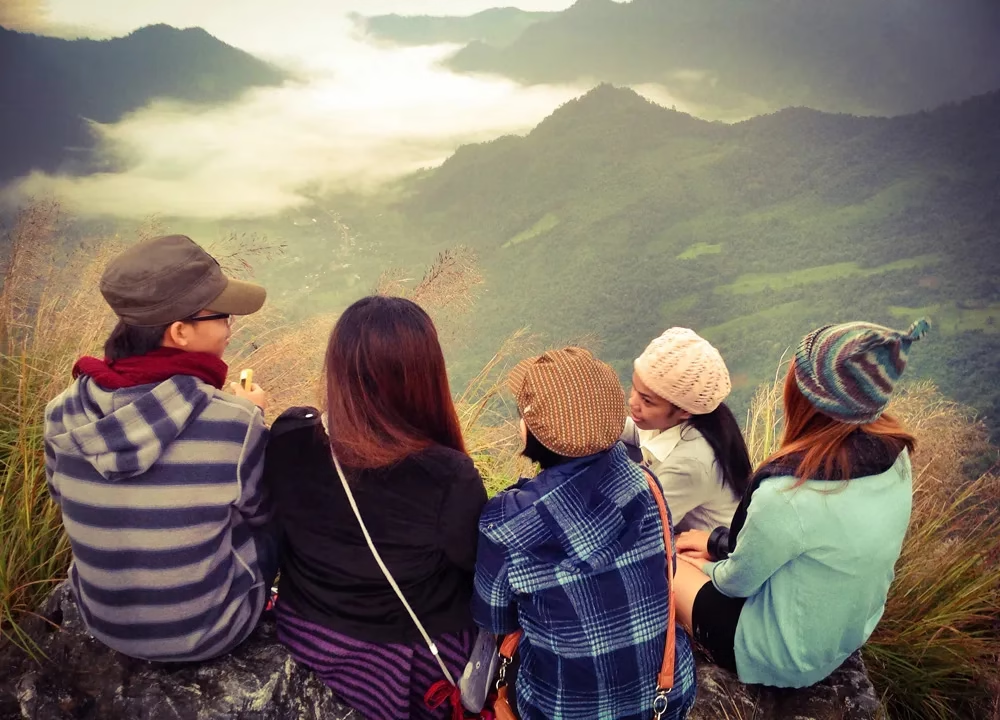
On the border with Laos, about 120 kilometres east of Chiang Rai city, Phu Chi Fa Forest Park rises like a natural lookout over the world. The name translates to “the mountain that points to the sky”, and it fits. The 1,442-metre peak, one of several in the Doi Pha Hom Pok National Park, sits far enough from the main routes to keep crowds at bay.
Those who want to catch the sunrise start early, often long before dawn. The 1.5-kilometre climb is short but steady, passing through stands of rhododendrons before opening onto a sheer cliff. At the top, on a clear morning, thick clouds roll in the valley below like waves on a white ocean, with jagged limestone peaks piercing through as the sun colours everything gold. It feels like a scene that belongs in a travel poster, yet the park still welcomes fewer than 5,000 visitors each year.
There is no entrance fee, and official hours run from 4:30 a.m. to 6:30 p.m. To catch the real magic, most visitors stay in simple homestays in nearby villages such as Tha Ton or the local Yao communities. Warm clothing is essential, especially in winter when the temperature drops to around 10°C, and sturdy shoes help on the final rocky stretch.
Those with extra time can pair Phu Chi Fa with a side trip to Doi Pha Tang, a quieter viewpoint where the rugged outline of the border hints at the old Golden Triangle days. Local Yao guides, who can be contacted through the park office, share legends of spirits that guard the ridge, turning a beautiful hike into a walk through living folklore.

Khun Korn Waterfall: Chiang Rai’s Roaring Curtain
About half an hour south of Chiang Rai city, inside Khun Korn Forest Park, a tall sheet of water plunges from the cliff into a pool framed by jungle. At 70 metres high, Khun Korn Waterfall is one of the tallest in the province and also one of the most atmospheric. It is not as simple to reach as the popular falls near Chiang Mai, but that is part of its charm.
From the car park, visitors follow a 1.4-kilometre trail that winds through bamboo, towering trees, and clusters of wild plants. Birds call from the canopy, insects hum, and in the rainy season, the growing sound of rushing water pulls hikers onward. During peak rains, the waterfall crashes down with a deep roar and a fine spray that cools the path long before the viewing area.
Entry to the park is free, and basic toilets sit near the car park, although travellers are wise to bring their own tissue, as in many rural spots. The path is clearly marked and manageable for most people with average fitness, though the ground can be slippery after rain. At the base of the falls, a natural pool offers a refreshing dip for those who do not mind cold water.
Locals from nearby Karen communities see the site as a place of spiritual and physical renewal and still visit to pray for good health. Visitors can show respect by keeping noise low, carrying rubbish out, and avoiding single-use plastics. In December, when the water level drops, Khun Korn becomes a relaxed picnic spot, especially pleasant after a visit to a nearby Akha village, where hand-woven textiles and daily life are on full display.

Ban Lorcha Akha Village: Life on the Hillsides
Tucked away in the Mae Salong area, about 50 kilometres north of Chiang Rai city, Ban Lorcha gives a grounded picture of Akha village life. It is a community-run project, set up to share traditions without turning them into a show for tourists. Around 100 families live here, in raised bamboo houses, some still marked with carved wooden posts and buffalo horns that signal good fortune and protection.
Visitors are welcomed by local guides, often elders or younger villagers who studied basic English in community programmes. They show how the Akha once hunted with simple bamboo crossbows, milled rice with giant wooden mortars, and used herbal plants from the forest as daily medicine.
There is no formal entrance fee, but guests can support the village by staying in homestays, which cost around 800 baht per night with meals, or by joining day visits arranged through operators such as Thailand Hilltribe Holidays.
The Akha hold animist beliefs, and parts of the forest are kept as sacred spaces reserved for rituals and seasonal offerings. Many of the older residents recall a time when opium farming ruled the hills, followed by hardship when the trade collapsed. Support from the Mae Fah Luang Foundation helped shift the focus towards coffee and other cash crops.
Timing a visit with the Akha Swidden Festival in March brings bonfires and dances, but December is calmer and ideal for those who prefer daily life over ceremony. Women in heavy embroidered clothes sort chillies on woven mats, while children chase each other along dusty lanes. The village encourages guests to put cameras down at times, listen to stories, and treat the community as hosts, not performers.

Huai Krai Royal Project: Fields of Change
Near Doi Tung, at around 1,000 metres above sea level, the Huai Krai Royal Project shows what patient planning can do for both people and the land. Since 1987, this project has been turning former opium fields and burnt hillsides into terraces filled with flowers, fruit trees, and experimental crops. The late Princess Mother championed the idea, working with local hill tribes to replace quick profit from opium with long-term income from legal produce.
The site now covers about 200 hectares, laid out in pockets of colour that shift with the seasons. Beds of snapdragons, petunias, and cool-climate plants run across ridges, with test plots of vegetables and coffee tucked in between. Akha and other hill tribe farmers tend the fields in simple hats and boots, their presence a reminder that these gardens are a workplace as much as a tourist stop.
Huai Krai opens daily from 8 a.m. to 5 p.m., and entry costs around 50 baht. A small visitor centre explains the history of the project and how sustainable farming practices took root here. Coffee roasting demonstrations show how beans grown on nearby slopes now travel to cafés across the world.
A 2-kilometre walking trail climbs above the main gardens to a panoramic lookout where, on clear days, visitors can see as far as the hazy curves of the Mekong valley. Guided tours, usually around 200 baht, help explain the tree-planting efforts, which have brought back thousands of native trees and wildlife.
December, with its cool air and bright light, is one of the best months for photos. The on-site café, often busy in the afternoon, serves drinks sweetened with local honey and snacks made from produce grown a few steps away.

Oub Kham Museum: Treasure House of Lanna
Close to the heart of Chiang Rai city, not far from the Night Bazaar, sits the Oub Kham Museum, a private collection that feels more like a personal archive than a formal institution. Housed in an old teak mansion from the 1920s, it gathers objects from across the former Lanna territories, including parts of Thailand, Laos, and Myanmar.
Inside, visitors move through a series of rooms filled with old textiles, ritual items, and carved furniture. Gilded Buddha images from the 13th century rest alongside silver betel sets, royal umbrellas, and lacquered chairs with dragon motifs. Many pieces came from temples or families that could no longer care for them, and the museum’s founder, Khun Porn, treats them as a link to earlier generations rather than static displays.
Entry costs about 40 baht. Opening hours run from 9 a.m. to 6 p.m., and the museum is usually closed on Mondays. English audio guides provide background on the items and how they relate to Lanna court life, trade, and belief. The upper floor holds a room of old weapons, including krises and spears that recall skirmishes along disputed borders.
Workshops on batik and traditional patterns give younger visitors a chance to handle colours and cloth, rather than just look at cases. During December, the museum often joins the wider Flower Festival mood with small exhibits that focus on floral crowns and jewellery worn in old Lanna ceremonies. Away from the crowded temple circuit, Oub Kham offers quiet time with the region’s history in a human, tactile way.

The Ton Hot Springs: Quiet Pools in a Green Valley
About 40 kilometres south of Chiang Rai city, in Tha Ton district, a set of hot springs bubbles up beside a tree-lined valley. Unlike some heavily developed hot spring parks, Tha Ton’s pools remain low-key and relaxed, popular with local families who come to soak tired muscles or cook eggs in the naturally hot water.
The site has several pools with different temperatures, with main bathing pools set at about 38°C, warm enough to soothe but not scald. Visitors sit on the edge or lower themselves into the shallow water and let time slow down. Nearby stone basins sit at a higher heat and are perfect for boiling eggs, a favourite activity for children and adults alike. Bags of eggs are sold at small stalls, or visitors can bring their own.
There is no set admission charge, and the springs are generally open from 6 a.m. to 6 p.m. Simple shelters and pavilions offer shade and picnic space. Just up the hill, Tha Ton Kali Temple looks over the valley, its statues and shrines showing strong links with Burmese design and Hindu imagery.
Locals often mix a temple visit with a soak, trusting in both spiritual and mineral help for aches, skin complaints, and stress. December’s moderate weather makes sitting in the warm water especially pleasant, and the area pairs well with a stop for riverside dishes such as fermented fish curry or grilled river fish.
Mae Fah Luang Gardens: A High-Altitude Garden Escape
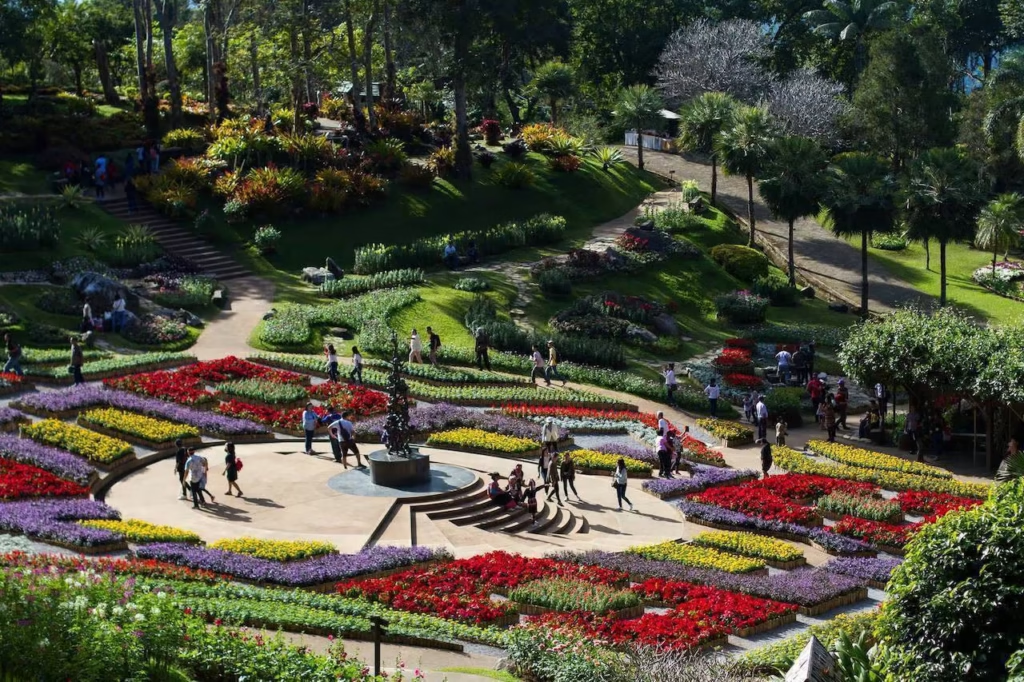
Perched at about 1,200 metres in the Doi Mae Salong region, the Mae Fah Luang Gardens spread across a former opium plantation that has been turned into a showpiece of cool-climate gardening.
Set up by the Mae Fah Luang Foundation, the gardens were created to honour the Princess Mother and her work with mountain communities, while also giving residents new skills and jobs.
Today, about 20 hectares of slope and plateau hold flower beds, lawns, rock gardens, and shaded walks. European-style layouts mix with Thai-style plantings, and the result is a colourful mix of azaleas, roses, impatiens, and seasonal blooms. On many days, visitors see Akha women tending chrysanthemum beds or pruning shrubs, often singing as they work.
Entrance to the gardens is usually around 60 baht, with opening hours from 8 a.m. to 5 p.m. A small cable car runs from the main car park up to one of the higher points for an extra fee of about 50 baht, saving a steep climb and offering sweeping views.
December is peak season, when the cool, crisp air helps the flowers last longer, and the light brings out vivid colours. Several cafés serving oolong tea from nearby plantations dot the grounds, and many visitors sit with a pot of hot tea and simple pastries to take in the view.
Displays inside small halls show textiles and embroidery produced by over 500 artisans linked to the foundation’s projects, reminding guests that income from tourism helps support wider education and training.

Choui Fong Tea Plantation: Tea Hills in the Mist
Around 60 kilometres north of Chiang Rai city, the Choui Fong Tea Plantation rolls across the Mae Salong hills in neat green lines. Covering around 300 hectares, it is one of the best-known tea estates in northern Thailand and a clear example of how the area shifted away from opium.
Founded by Yunnanese migrants in the mid-twentieth century, Choui Fong focuses on high-quality oolong and other teas, grown in rich red soil at cool altitudes. Workers pick the young leaves by hand in the early morning, often wearing simple hats and arm protection against the sun. The mist that often hangs in the valleys lends an almost dreamlike air to the slopes.
Visitors can join a guided tasting session, usually for around 100 baht, between 9 a.m. and 4:30 p.m. Staff explain how growing conditions change flavour, and visitors sample several brews side by side to see the difference. Beyond the main tasting room, a modern café with wide glass windows looks out over the fields, serving tea-based drinks, cakes, and simple meals.
Paths lead out across the top of the plantation, and a short trail of about 1 kilometre takes walkers to a lookout point above the main valley, often a good spot to see workers in the fields below. In December, harvest-related events bring tea ceremonies and live traditional music, a gentle reminder of the Chinese roots that shaped tea culture in this part of Thailand.

Wat Saeng Kaeo Phothiyan: A Gilded Temple by the Water
About 10 kilometres north of Chiang Rai city, on the banks of the Mae Sai River, Wat Saeng Kaeo Phothiyan glitters under the sun. This relatively recent temple draws on both Lanna and Burmese styles, creating a complex of tiered roofs, mirror mosaics, and golden ornaments that catch the light from every angle.
The main ordination hall is the highlight, with carved naga railings lining the stairways and walls covered in glass tiles that sparkle around statues of the Buddha and other figures. The central Buddha image shows strong Burmese influence, with its facial features and robes recalling icons found across the border. When monks chant during morning or evening prayers, their voices bounce softly off the walls and ceiling, filling the hall.
There is no entrance fee, and the temple is generally open from 6 a.m. to 6 p.m. A riverside pavilion gives visitors a quiet place to sit, make offerings, or watch the slow current drift past. Hill tribe families and city residents alike come here to make merit and light candles.
In December, strings of lanterns are often hung around the main chedi and chapel, adding a warm glow once the sun goes down. It is a peaceful alternative to Chiang Rai’s more famous temples, ideal for those who enjoy architecture and calm rather than big crowds.

Hilltribe Museum: Stories Behind the Stereotypes
Back in Chiang Rai city, the Hilltribe Museum provides a grounded introduction to the ethnic groups who live in the surrounding hills. It occupies a modest space, but the displays carry weight and often shape how visitors see later village visits.
The museum focuses on six main groups, including the Karen, Akha, Lahu, Hmong, Lisu, and Yao. Simple panels explain where each group came from, how they dress, and what they traditionally grew or traded. Glass cases hold everyday objects such as tools, jewellery, and clothes, while life-size models show typical houses and village setups.
Entry usually costs around 50 baht, and opening hours are from 9 a.m. to 6 p.m. Those who want more detail can join guided tours led by staff, with payment by donation. These tours explore topics such as opium farming and resettlement, and discuss how tourism has affected some communities.
Photographs of real families and ceremonies aim to show people as they are, rather than as attractions. In December, the museum often hosts workshops on herbal remedies and local plants, tying in loosely with the wider Flower Festival in town. For travellers heading to hill tribe areas, a stop here helps build respect and context.

Singha Park: Wide-Open Fun in the Countryside
Southwest of Chiang Rai city, Singha Park spreads over roughly 500 hectares of rolling fields, lakes, and themed zones. Once a farming estate, it has been shaped into a kind of countryside playground where agriculture, animals, and leisure activities share the same space.
Visitors can take tram tours, usually priced around 200 baht, from 9 a.m. to 5 p.m. The ride passes pineapple plots, orchards, ornamental gardens, and enclosures where animals such as zebras and giraffes graze. The park also runs low-impact elephant activities where guests watch and feed elephants rather than ride them, with staff explaining why more gentle contact is better for the animals.
Cycling is a popular way to explore, and bike hire is available for about 50 baht per hour. Well-paved paths run past lakes, tea fields, and viewpoints. The park includes a greenhouse filled with orchids and tropical plants, a hit with photographers and plant lovers.
During December, Singha Park often hosts festivals with light displays, concerts, and food stalls, which draw both tourists and locals. It is a good option for families or groups who want a relaxed day outdoors, with plenty of space to walk, sit, and enjoy the scenery.

Chiang Rai’s Quiet Call
When the sun slips behind Doi Tung, and the last light fades from the Mae Kok River, Chiang Rai feels less like a destination and more like a long, gentle conversation. Phu Chi Fa’s cloud seas, Ban Lorcha’s cooking fires, Khun Korn’s spray, and Huai Krai’s flower beds all tell parts of a wider story. It is a story of mountains that once hid opium and now grow tea, of villages that turned old rituals into new strengths, and of a province that chooses depth over speed.
Travellers who want to experience these places at a natural pace often rent a scooter for about 200 baht per day or book small-group eco-tours with local operators such as Niran, who know the back roads and seasons. Staying in homestays or small guesthouses adds another layer, from shared rice porridge at dawn to evening chats with hosts. A daily budget of roughly 1,500 to 3,000 baht usually covers rooms, meals, and local transport for most mid-range visitors.
Chiang Rai is not a loud city or a place of constant spectacle. Its charm lies in early morning fog, late-night noodle stalls, mountain roads lined with trees, and strangers who are quick to smile. For those willing to wander beyond the famous white temple, it offers memories that settle in slowly and stay.


