




Most people have heard of GPT-4 by now. In many apps, though, that older model quietly takes a back seat while GPT-4o runs the show. GPT-4o is a newer AI model that builds on GPT-4 but feels faster, cheaper to use, and more flexible in real life.
By the end of this guide, the reader will know what GPT-4o is in simple terms, how it works at a high level, and how it differs from GPT-4 in speed, cost, multimodal skills, memory, and voice. The article keeps the language simple and uses everyday examples, so no machine learning degree is needed.
Today, many tools set GPT-4o as the default model because it gives strong quality without the slower feel and higher price of GPT-4. That shift changes how students, workers, and hobbyists use AI day to day.
What Is GPT-4o and How Does It Build on GPT-4?
Think of GPT-4 as a very smart reading and writing engine. It can:
- Understand long text
- Answer questions
- Write essays, emails, and stories
- Help with code
- Look at images and describe or analyze them
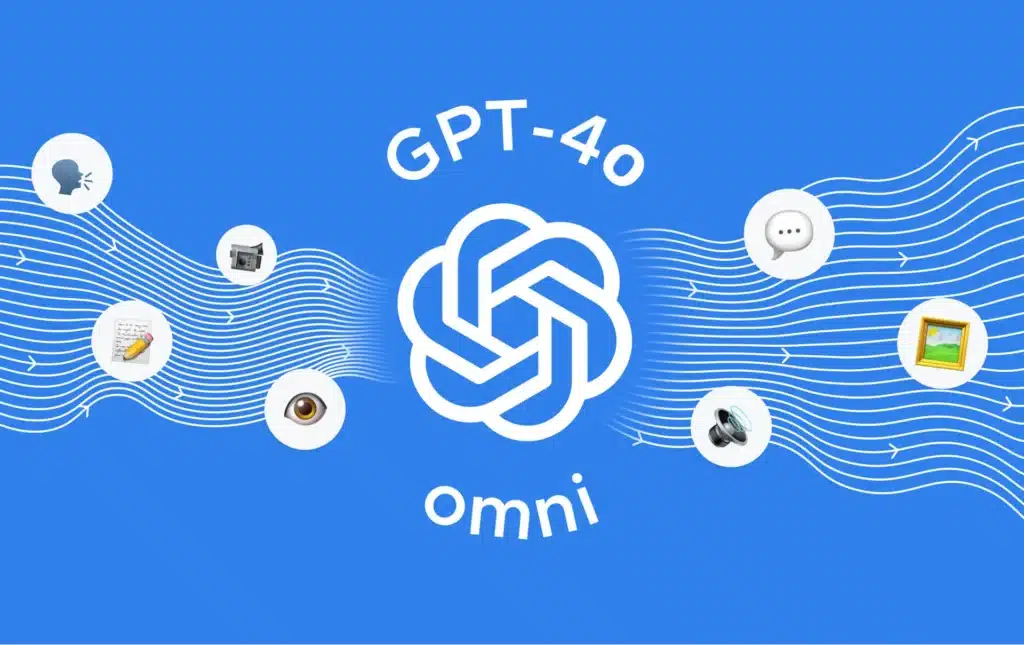
GPT-4o is like the younger sibling that learned all of that, then added stronger senses and better speed. The “o” stands for “omni”, which means “many kinds” or “all in one”.
GPT-4o is built to handle several types of input inside one model: text, images, audio, and (in some tools) video frames. It keeps most of GPT-4’s brainpower, but it reacts faster and works better in real-time settings like live chat or voice calls.
For a deeper technical breakdown that matches this picture, readers can check a detailed GPT-4 vs GPT-4o comparison, which lines up with what developers see in practice.
A quick refresh: what GPT-4 can already do
GPT-4 is still a strong model. In plain terms, it is very good at:
- Writing clear text in many styles
- Helping with code and debugging
- Answering questions about school topics and exams
- Working with long documents and summaries
- Understanding and describing images
Its main focus is text, supported by image skills. Audio, however, is not built into GPT-4 itself and often needs extra tools around it. That means older GPT-4 setups can feel more like a smart chat box than a live voice partner.
What makes GPT-4o “omni” in everyday terms
“Omni” just means “many in one place”. GPT-4o can:
- Listen to speech (audio)
- Look at photos or video frames (images)
- Read normal messages or files (text)
- Answer in text or natural-sounding voice
Imagine a student working on math homework. They can point their camera at a tricky problem, talk out loud about where they are stuck, and GPT-4o can reply in voice, walk through the steps, and mark parts of the image it is talking about. All of that comes from a single model, so the back-and-forth feels smooth.
It feels less like typing into a search box and more like talking to a tutor who can see and hear.
Key Differences Between GPT-4o and GPT-4 That Actually Matter
Both GPT-4 and GPT-4o are strong models. The key differences that everyday users feel come down to:
- Speed
- Cost
- Multimodal skills
- Context window (working memory)
- Accuracy and reasoning
- Real-time voice mode
Many apps now set GPT-4o as the default because it balances quality with speed and price in a way GPT-4 never did.
Speed: why GPT-4o feels much faster than GPT-4
For text, GPT-4o usually replies roughly twice as fast as GPT-4. On short tasks, the answer starts to appear almost right away. On longer replies, the “typing” feels smoother, with less pause or lag.
For audio, GPT-4o can respond in about a quarter of a second, close to human reaction time. GPT-4 setups that used separate speech tools often had a clear delay, so voice chats felt slightly robotic and choppy.
That speed matters when someone uses:
- Live tutoring, where waiting breaks focus
- Customer support, where delays frustrate people
- Coding help, where fast cycles keep developers in the flow
A small cut in delay adds up to a big change in how natural the interaction feels.
Cost: how GPT-4o gives more power for less money
In API use, GPT-4 was known as powerful but pricey. Many teams used it only for top-priority jobs.
GPT-4 cuts those costs sharply. As of late 2025, GPT-4o input runs at around $2.50 per million small pieces of text (tokens), with about $10 per million for output. GPT-4, in contrast, is closer to $5 for input and $20 for output.
For companies that send millions of tokens a day, that price gap is huge. It means:
- More text can be processed for the same budget
- More users can be served without cost spikes
- Experiments are less risky, since each test is cheaper
Writers, students, and small teams feel this too when tools pass those savings on.
Multimodal skills: how GPT-4o handles text, images, and audio better
GPT-4 can read and write text very well and can analyze images. To handle voice, though, older setups had to bolt on extra speech-to-text and text-to-speech systems around it.
GPT-4o puts text, images, and audio into one model. In practice, that means a user can:
- Upload a chart or screenshot and talk about it out loud
- Show a photo of a device, describe a problem by voice, and get both spoken and written tips
- Pause a video frame, ask about what is on screen, and get answers while also giving spoken instructions
Because the same “brain” sees and hears everything, GPT-4o can blend those modes more easily than GPT-4 ever could.
For readers who want more examples from real tests, this comparative guide to GPT-4o vs GPT-4 shows how these multimodal skills show up in day-to-day tasks.
Context window: why GPT-4o remembers more of the conversation
The “context window” is how much information the AI can keep in its short-term working memory at one time.
- Many GPT-4 setups handled about 8,000 to 32,000 tokens
- GPT-4o in the API can handle up to about 128,000 tokens
A token is a small piece of text. A rough rule: 128,000 tokens is around 250 to 300 book pages.
That larger window lets GPT-4o:
- Read whole reports or ebooks in one go
- Handle very long chats without losing track
- Work across big code bases or multi-file projects
This reduces the need to chop content into many small chunks, which often confused older models.
Accuracy and reasoning: when GPT-4 might still be stronger
GPT-4o is very strong for daily work, code, data summaries, and general questions. For many users, it feels as smart as GPT-4.
For deep, step-by-step reasoning or very complex rules, though, some GPT-4-style or newer reasoning-focused models can still be a bit more stable. Hard math proofs, careful legal drafting, or multi-step research sometimes benefit from models tuned only for text and logic, even if they respond more slowly and cost more.
In simple terms, GPT-4o gives “smart and quick” for most jobs. Reasoning models give “extra careful and slow” for the toughest ones.
Voice mode: how GPT-4o makes AI feel more like a real conversation
GPT-4o’s voice mode is where many people feel the biggest change. It can:
- Listen to a person talk in a normal tone
- Reply with natural speech and emotion
- Keep the delay low enough that the chat feels live
Older GPT-4 setups that used separate voice tools often sounded flat and had gaps between each turn.
Now someone can practice a language, get live tech support, or have a document read aloud and explained, all in the same flowing voice chat. That makes AI feel less like software and more like a helper that sits next to the user.
Real-World Use Cases: When to Use GPT-4o vs GPT-4
Most tools now guide users toward GPT-4o for daily work because it balances quality, speed, and price. Still, GPT-4 and newer reasoning models have a place.
Best jobs for GPT-4o: fast, interactive, and multimodal tasks
GPT-4o shines when the task is active and mixed:
- Live chatbots that answer in text or voice
- AI voice assistants on phones or desktops
- Real-time tutoring with screenshots or photos
- Quick code review and bug explanations
- Language learning with speaking and listening practice
- Summarizing long documents or meeting notes
Because it can handle images, text, and audio in one pass, GPT-4o covers all pieces of these workflows, instead of handing things off to different models.
When GPT-4 style models or reasoning models might still be helpful
There are still jobs where GPT-4-style or newer reasoning-focused models are worth the extra time and cost:
- Complex legal or policy drafts
- Careful multi-step research plans
- Hard math or logic puzzles
- Safety-critical planning, like medical or engineering workflows
These tasks reward extra caution and explicit step-by-step thinking. In those cases, it can be smart to accept higher cost and slower replies in exchange for more stable reasoning.
For most students, creators, and small teams, though, GPT-4o already covers almost everything they need.
How to Get Started With GPT-4o Today
Trying GPT-4o is simple. It shows up in many chat apps, coding tools, and voice assistants as the default choice.
A person can start with plain text chats, then add images, then try voice once they feel comfortable. Those who want to use it without paying can look into ChatGPT free access with GPT‑4o in 2026, which explains how the free tier includes GPT-4o with some limits.
Simple tips for writing prompts that GPT-4o understands
A few habits make GPT-4o much easier to work with:
- Say the goal first (“Explain this report in simple terms”)
- Share steps or examples (“First list key points, then give a short summary”)
- Tell it the format wanted (bullet list, script, outline, email)
- Use follow-up questions to refine the answer
Because GPT-4o sees and hears, a user can also point to parts of an image (“Look at the table on the right”) or quote part of an audio transcript when asking for help.
Staying safe and smart while using GPT-4o
Even a strong model like GPT-4o can still make mistakes or sound confident while wrong. Basic safety habits matter:
- Do not share private personal data or passwords
- Double-check important facts with trusted sources
- Treat legal, medical, or money advice as a draft, not a final answer
- Keep a human in charge of big decisions
Think of GPT-4o as a very smart helper, not a judge.
Conclusion
GPT-4o takes the best parts of GPT-4 and adds speed, lower cost, and richer multimodal and voice skills. GPT-4 and newer reasoning models still help with the hardest logic-heavy work, but for daily use, GPT-4o often gives the best balance.
No one needs to understand the math behind it to benefit. Trying simple real-world tasks, like homework help or document summaries, is the fastest way to feel the difference. As tools based on GPT-4o spread, they quietly reshape how people learn, work, and create every day.