



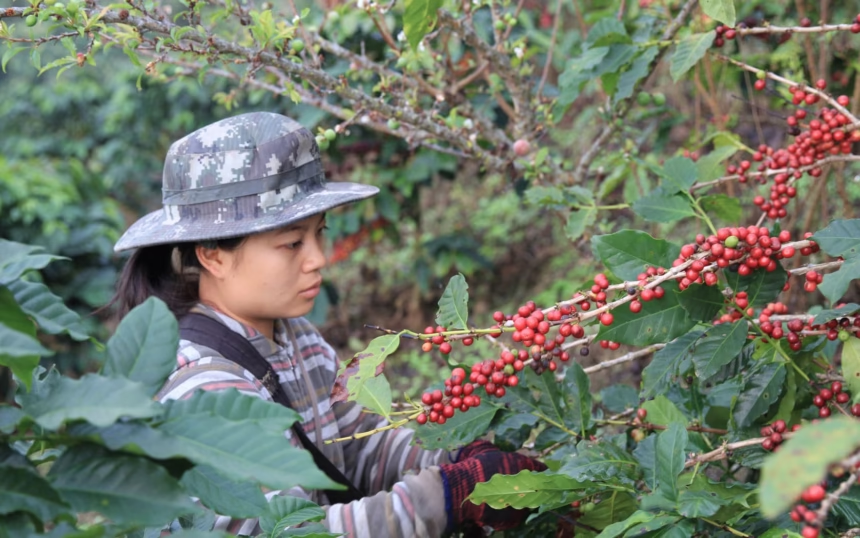
CHIANG RAI – The province of Chiang Rai, Thailand, is making a major move to protect its famous mountain coffee. Local leaders are accelerating efforts to register “Pang Khon coffee” as the region’s 10th Geographical Indication (GI) item. This important status aims to elevate high-altitude Arabica coffee into the global premium market.
At the same time, this strategic push builds crucial resilience against the growing El Niño climate crisis. Farmers hope that securing a GI label will protect their livelihoods while boosting the global reputation of Thai coffee.
Key Takeaways
- Chiang Rai is working to register Pang Khon coffee as its 10th GI product.
- The GI status will help place this high-altitude Arabica in the premium market.
- Upgrading to premium coffee builds financial and environmental resilience against El Niño.
- The initiative supports local ethnic communities, replacing historic opium farming with sustainable crops.
A Golden Opportunity for Thai Arabica
The push for GI status represents a massive leap forward for local agriculture. Chiang Rai already produces some of the finest Arabica beans in Southeast Asia. Securing this special certification will prove the coffee’s unique origin and exceptional quality.
A GI tag acts like a trademark for regional products. It tells buyers exactly where the beans come from and guarantees a certain standard. This helps farmers sell their harvest at much higher prices to international buyers.
Pang Khon coffee grows high in the mountains of Chiang Rai province. The village sits in a rich watershed forest that provides the perfect climate for coffee. These high-altitude conditions yield beans with bright fruit notes and a smooth finish.
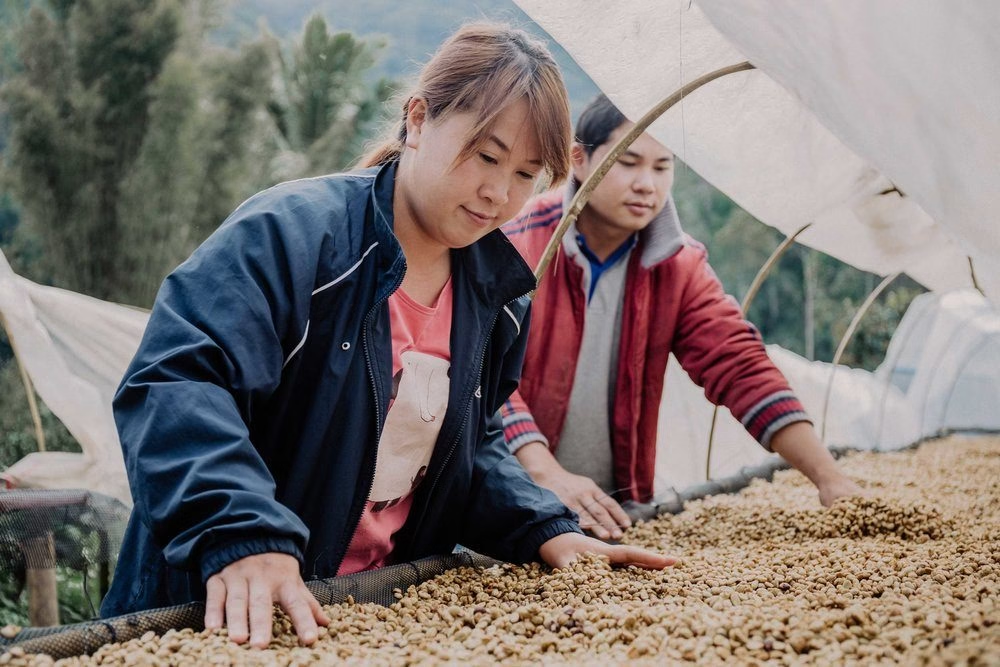
Farmers carefully handpick the cherries at peak ripeness before washing and drying them. The unique combination of mountain soil, cool mist, and traditional farming creates a flavor you cannot find anywhere else. Experts often note hints of chocolate, citrus, and sweet berries in every cup.
Fighting the El Niño Climate Crisis
Climate change is becoming a serious threat to farmers around the world. The El Niño weather pattern brings unpredictable droughts and sudden temperature shifts. This makes growing delicate Arabica beans increasingly difficult for small rural communities.
By pushing for GI registration, Chiang Rai is helping farmers adapt to these harsh realities. A premium price tag gives farmers the financial padding they need to survive bad harvest years. It allows them to invest in better water management and shade trees.
Growing premium coffee goes hand in hand with protecting the local environment. Arabica trees need shade to thrive, which encourages farmers to maintain a healthy forest canopy. This sustainable approach helps cool the soil and retain essential moisture.
Reforestation efforts in Pang Khon have successfully expanded the natural forest over the past two decades. As farmers plant more trees to protect their coffee, they also protect the mountains from deadly wildfires. Sustainable farming is the best defense against severe El Niño droughts.
The Meaning of Geographical Indication (GI)
A Geographical Indication is a valuable intellectual property right used in trade. It identifies a product as originating in a specific territory where its quality is tied to that region. Famous examples include Champagne from France or Darjeeling tea from India.
For Chiang Rai, adding a 10th GI item proves the province’s incredible agricultural diversity. It shows the world that Northern Thailand is a powerhouse for premium crops. This legal protection prevents outsiders from misusing the Pang Khon name for cheaper, lower-quality beans.
The economic impact of a GI label cannot be overstated for rural families. When a product receives this status, market demand generally increases along with the price. Consumers are willing to pay more for authentic, certified, and traceable goods.
This extra income flows directly back into the remote mountain communities of Chiang Rai. Farmers can afford better education for their children and improve their daily living conditions. The GI campaign is essentially a poverty reduction strategy wrapped in a coffee bean.
Transforming the High-Altitude Market
The global specialty coffee market is growing rapidly every single year. Coffee drinkers now care deeply about where their beans come from and how they are grown. Pang Khon coffee is perfectly positioned to capture this eager audience of coffee lovers.
Elevating this Arabica to the premium tier changes how buyers view Thai coffee. Thailand is no longer just a consumer of coffee, but a respected producer of high-end beans. Buyers from Japan, Europe, and the United States are already showing strong interest.
The story of Chiang Rai’s coffee is a story of incredible transformation. Just a few decades ago, many of these highland areas were famous for growing illegal opium. Government programs and royal initiatives worked hard to introduce sustainable cash crops instead.
Today, those former poppy fields are lush, green, and filled with thriving coffee plants. The shift to coffee has completely changed the local economy for the better. Pang Khon stands as a shining example of successful agricultural reform in Southeast Asia.
Global Demand for Thai Specialty Coffee
Domestic demand for Thai specialty coffee is currently outpacing the actual supply. Thailand consumes the vast majority of its own high-quality Arabica beans. However, the international market is hungry for unique Southeast Asian flavor profiles.
Only a tiny fraction of Thai specialty coffee is exported each year. Securing the GI status will help Pang Khon coffee stand out in the crowded export market. It provides a unique selling point that foreign specialty roasters simply cannot ignore.
The success of Pang Khon coffee relies on the hard work of local ethnic minorities. The Akha and Mien communities have spent decades perfecting their farming and processing techniques. They have turned a simple crop into a highly respected artisanal craft.
Getting this coffee recognized on a national and global scale validates their immense dedication. It empowers these indigenous communities by giving them ownership over a valuable, recognized brand. They are the true guardians of the forest and the masters of this premium coffee.
Enhancing Coffee Farming Techniques
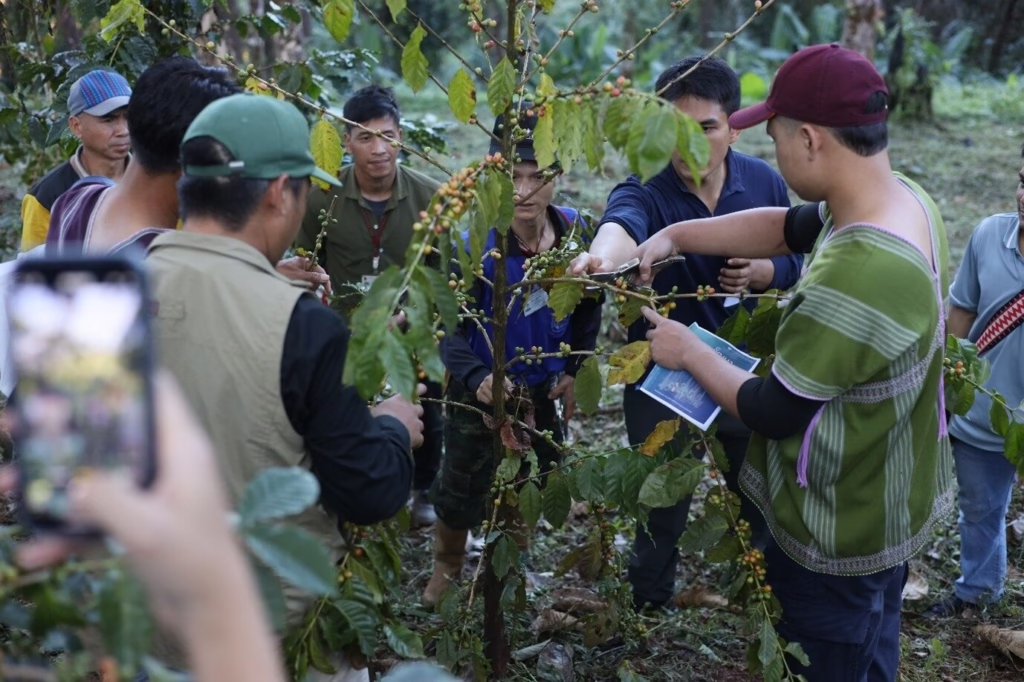
To meet GI standards, farmers must follow strict guidelines for cultivation and processing. This requirement naturally pushes the entire community to improve its daily farming practices. Better farming techniques lead to more consistent, high-quality beans in every single harvest.
Local cooperatives are heavily investing in modern processing equipment, like advanced wet mills. They use careful density sorting and double fermentation to enhance the natural flavors. This meticulous attention to detail ensures that the coffee meets international specialty grade standards.
Protecting the Brand Identity
Without a GI label, any roaster could technically slap the name “Pang Khon” on a bag. This creates confusion and hurts the reputation of the hardworking local farmers. Legal GI protection stops counterfeit coffee from ruining the market for everyone else.
Buyers can trust that they are drinking authentic beans grown in the specific Chiang Rai microclimate. This trust builds long-term loyalty among cafes, roasters, and everyday coffee drinkers. A strong brand identity is the key to surviving in the competitive premium coffee industry.

Exploring Coffee Tourism in Northern Thailand
The rise of premium coffee has also sparked a boom in local eco-tourism. Travelers are increasingly interested in seeing exactly where their morning brew comes from. Chiang Rai is quickly becoming a top destination for passionate coffee lovers and curious tourists alike.
A Geographical Indication tag will naturally attract even more visitors to the northern mountains. Coffee enthusiasts want to taste the famous beans right at the source of origin. This influx of tourism brings secondary income through farm stays, local cafes, and guided tours.
Tourists visiting Pang Khon can experience the entire coffee journey from seed to cup. Local guides take visitors walking through the shaded, high-altitude coffee plantations. Guests can see the healthy forest canopy that protects the delicate Arabica trees from the sun.
During the harvest season, visitors can even try their hand at picking the ripe red cherries. Many farms offer tasting sessions where guests learn how to identify the complex flavor notes. This direct connection between consumer and farmer builds a deep appreciation for the craft.
Next Steps for Chiang Rai’s Coffee Farmers
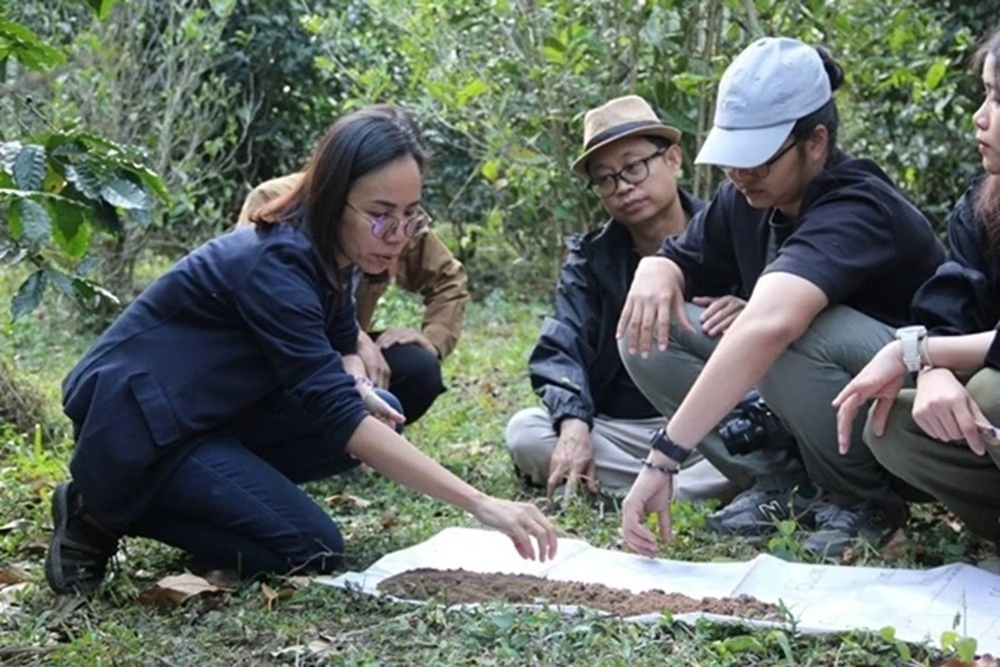
The local government is currently working with agricultural experts to finalize the GI application. They are mapping the exact geographical boundaries of the Pang Khon growing region. They are also documenting the specific flavor profiles and traditional processing methods used.
Once approved, the province plans to launch a massive marketing campaign to celebrate the achievement. They want to draw more coffee tourism to the area, inviting people to see the farms. This will create even more economic opportunities for the entire Chiang Rai province.
The future looks incredibly bright for the Highland coffee farmers of Northern Thailand. By focusing on quality over quantity, they are securing a profitable and sustainable future. The GI registration is a major milestone in a journey that began over 30 years ago.
As the El Niño crisis continues to challenge global agriculture, resilience is more important than ever. Premium pricing, sustainable forestry, and strong community ties will help Pang Khon thrive. Chiang Rai is proving that great coffee can truly change the world for the better.
Trending Chiang Rai News:
Embrace the Spirit of Summer With “Au Soleil” at Le Méridien Chiang Rai Resort
Chiang Rai Coffee Growers Struggle With Changing Climate Conditions


