




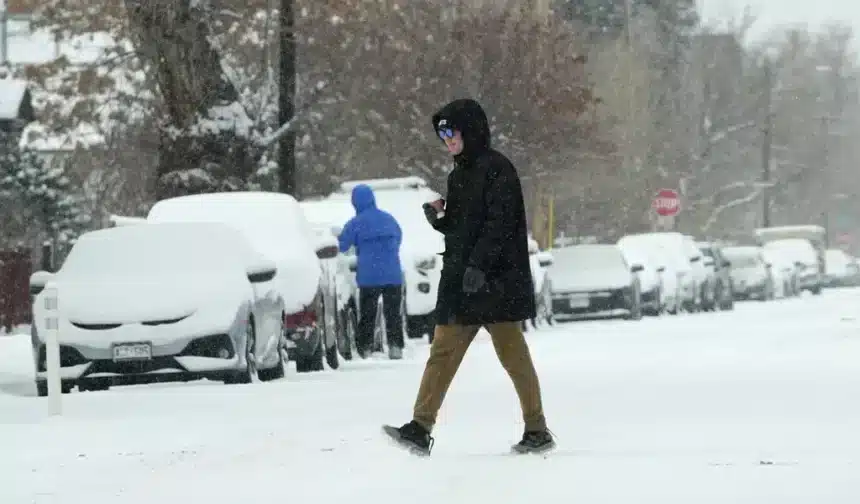
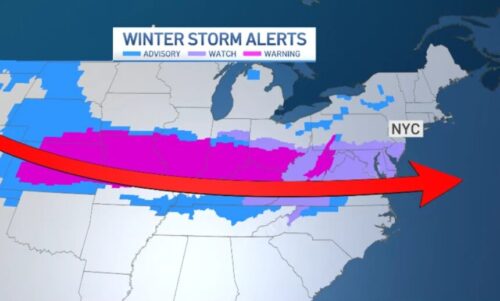
A winter storm stretching about 2,000 miles from Texas to New England is disrupting daily life across much of the US. More than 1 million customers have been without power as ice, snow, and high winds damage lines and trees.
Airlines canceled more than 10,000 flights on Sunday, after thousands more were canceled on Saturday, and delays continue to stack up. Road travel has also become dangerous in many areas due to heavy snow, freezing rain, and low visibility.
Current impact snapshot (numbers that matter)
This is a fast, practical check-in for planning your day. Totals can change hour by hour as crews restore power, new damage appears, and airlines adjust schedules.
Power and outage headlines
- Over 1 million customers were reported to be without power at various points during the storm, with the largest clusters in parts of the South and the lower Ohio Valley.
- Warnings and advisories cover a large share of the US population, and impacts often last days after the last snow or ice falls (blocked roads, damaged poles, frozen equipment, and follow-on outages).
Hardest-hit outage states (approximate, changing quickly)
- Tennessee: about 306,000
- Mississippi: about 175,000
- Louisiana: about 145,000
- Texas: about 93,000
- Georgia: about 80,000
Flight disruption summary (what travelers need to know)
- Canceled flights: Over 10,000 on Sunday (plus thousands Saturday). A “canceled” flight usually means the flight will not operate at all, so passengers need a new booking, not just a new departure time.
- Delayed flights: Thousands more have been delayed, and delays can turn into cancellations late in the day as crews time out or planes get stuck elsewhere.
- Even if skies look clear at a local airport, ripple effects can hit because aircraft and crews may be out of position. For broader context on how widespread the disruption is, see Reuters reporting on flight cancellations ahead of the storm.
Power outage hot spots (these numbers can change fast)
Approximate outage counts reported in major hot spots include:
- Tennessee: ~306k
- Mississippi: ~175k
- Louisiana: ~145k
- Texas: ~93k
- Georgia: ~80k
- Kentucky: ~69k
- West Virginia: ~35k
- Alabama: ~31k
This list may not match a specific neighborhood because outages shift as repairs progress and new ice or wind damage happens on nearby lines.
Flight cancellations and delays: what the totals mean for your trip
Big storms scramble the national flight network. When a hub cancels many departures, planes and crews don’t arrive where they’re scheduled next. That’s how a storm in one region can cause winter storm flight cancellations far away.
Smaller airports often feel the effects when a major hub is strained. A single canceled inbound aircraft can wipe out a whole day of regional service.
A quick checklist before leaving for the airport:
- Check the airport departure board (online and on-site).
- Turn on airline app push alerts for gate, delay, and cancellation updates.
- Look for waiver and rebooking notices. These can allow free changes, but seats disappear fast once many people try to rebook.
For a state-by-state view of storm impacts and travel issues, NPR’s storm coverage can help with local context.
Where travel is worst right now, and how to make safer choices
The main danger zones are split by hazard type.
Ice risk (often the most dangerous)
- Parts of the South and Mid-Atlantic can see freezing rain and glaze ice.
- Ice brings down trees and lines and turns roads into sheets of slick pavement, even when snow totals look modest.
Heavy snow and reduced visibility
- A swath from the Ohio Valley into the Northeast can face heavy snow, drifting, and poor visibility.
- High winds can create whiteout-like conditions in open areas and make travel feel unpredictable.
Before any trip, check four things in this order:
- Airline alerts and waiver policies.
- Airport status pages for ground stops, de-icing delays, and staffing limits.
- Road conditions using your state Department of Transportation map and local law enforcement alerts.
- Local emergency alerts for shelter info, closures, and road hazards.
Delaying non-essential travel is often the safest choice, especially when ice is part of the forecast. Snow can be plowed. Ice has to melt or be treated, and that takes time.
If you’re flying in the next 48 hours: a quick action plan

- Confirm your flight status in the airline app, not just a third-party booking page.
- Check alternate airports within driving distance (only if roads are safe).
- Rebook early if you see cancellations piling up.
- Look for waiver policies and free-change windows.
- Keep receipts for meals, lodging, and ground transport, since reimbursement rules vary.
- Pack essentials in a carry-on (meds, chargers, warm layer, basic toiletries).
- Plan for long lines at bag drop, customer service, and security.
For families and people traveling for medical care, bring extra meds, charging cables, snacks, and a backup plan for an overnight stay.
If you’re thinking about driving: when ice makes it a bad idea
Freezing rain often causes more crashes than snow. Snow can add traction if it’s packed. Ice removes traction completely.
Common risks during hazardous travel conditions:
- Black ice that looks like wet pavement.
- Downed trees and power lines across roads.
- Stranded vehicles that block plows and ambulances.
- Slow emergency response times when roads are clogged or unsafe.
If travel can’t be avoided:
- Avoid bridges and overpasses first, they ice up faster.
- Don’t drive around barricades.
- Keep a winter car kit (blanket, flashlight, water, snacks, charger, and a shovel).
Why are the power outages so widespread in this storm
This storm is not just snow. It’s a mix of heavy snow, freezing rain, and wind, and that combination is rough on the grid.
In simple terms, outages happen when:
- Ice adds weight to tree limbs and power lines.
- Wind shakes those iced branches until they snap.
- Snow loads equipment and makes repairs harder.
- Extreme cold pushes demand higher as heaters run for long stretches.
Some areas are less used to severe ice. Trees may not be trimmed for heavy glaze, and local equipment may not be staged for widespread icing. That can raise the number of broken poles and blocked roads.
Utilities also work in triage mode during emergencies. Crews restore power first to critical needs like hospitals, water systems, and fire and police facilities, then move to main lines, and finally to neighborhood and single-home repairs.
For a broad overview of the storm’s footprint and its impact, see Al Jazeera’s report on widespread outages and flight cancellations.
Ice plus wind is a grid’s worst combo
Ice builds on everything exposed. A thin layer can double the weight on a line. A thicker glaze can turn tree limbs into heavy clubs.
Wind then turns that extra weight into motion. Lines can gallop and slap, branches can break, and poles can fail where the ground is soft or saturated.
Restoration also slows down when roads are blocked by wrecks, downed trees, or drifting snow. Crews must treat every wire as live until it’s tested, and they often need tree crews to clear hazards before electrical work can start.
Extreme cold can trigger more outages even after the storm passes
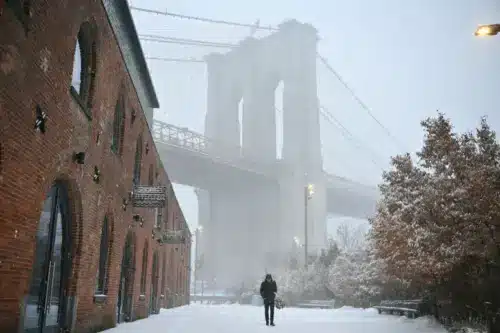

Even after the last band of snow moves out, the cold can continue to cause problems. Demand spikes when homes heat nonstop, and equipment can fail under stress. Ice can also re-freeze at night, adding risk for both drivers and repair crews.
Sometimes the federal government can step in with a Department of Energy emergency order. In plain language, that can allow grid operators to run certain power resources under special rules to keep electricity flowing during a crisis. Not every storm leads to an order, and it doesn’t guarantee quick restoration.
What to do if you lose power (safety first)
In storms like this, it helps to act early. Charge devices when you still have power. Fill a bathtub with water if you rely on a well or an electric pump. Find flashlights before it’s dark.
If the lights go out, focus on safety and warmth first:
- Use generators safely, carbon monoxide can kill within minutes.
- Pick one room to keep warm, close doors, and block drafts.
- Dress in layers, including socks and a hat indoors.
- Use space heaters with clear space around them and never while sleeping.
- Protect pipes, frozen pipes can burst and flood a home.
- Plan for food safety, fridge and freezer times depend on how full they are.
- Save phone battery, use low power mode and limit streaming.
- Check on neighbors, especially older adults and anyone with medical devices.
- Call 911 for medical emergencies, fires, or life-threatening hazards, call the utility for outage reporting and downed line reports.
If it’s not safe to stay home, local warming centers and emergency shelters can be a safer option, especially for people without heat.
Generator and carbon monoxide safety basics
- Never run a generator indoors or in a garage, even with the door open.
- Place it outside, far from doors, windows, and vents.
- Use a carbon monoxide alarm if possible.
- Don’t backfeed power into a home outlet. Use a proper transfer switch installed by a qualified electrician.
Keep your home and family safer until the power comes back
- Heat one room, close interior doors, and use blankets to trap warmth.
- Keep phones on low power mode, and rotate charging between devices.
- Use flashlights instead of candles when possible.
For pipes:
- Let faucets drip during hard freezes.
- Open cabinet doors under sinks to warm the plumbing.
- Know where the water shutoff valve is.
For food:
- A closed fridge may keep food safe for about 4 hours.
- A full freezer may hold its temperature for about 48 hours, less if it’s half-full. Times vary, so when in doubt, throw it out.
How to get reliable updates without rumors or guesswork
During a storm, rumors spread fast. The simplest way to cut through noise is to use official sources and set check-in times. Morning, afternoon, and evening checks often beat constant scrolling, and they reduce stress.
Trustworthy places to look:
- National Weather Service and NOAA advisories.
- State DOT road condition maps.
- Local utility outage pages and text alerts.
- Airport sites and airline notifications.
- Local emergency management for shelter and closure info.
For rolling updates and local impacts reported by major outlets, CNN’s live storm page and USA Today’s storm live updates can provide added context, but official alerts should guide safety decisions.
The fastest places to check for weather, roads, and outages
- Weather: NWS alerts, NOAA forecasts, local NWS office posts
- Roads: State DOT incident and plow maps, state police updates
- Power: Your local utility outage page, utility text alerts
- Flights: Airline app alerts, airport delay advisories, airline waiver notices
If cell service is weak, local radio can still carry emergency updates.
What’s next in the forecast, and what does that mean for recovery
Forecasters expect the storm pattern to keep parts of the country busy into the week, with lingering snow showers in some areas and ongoing ice risk where temperatures hover near freezing. Bitter cold behind the system could slow repairs, since crews work more slowly in extreme temperatures and equipment can fail.
Cold also raises heating demand. That can complicate restoration when parts of the grid are already damaged.
Wind chill is a serious risk during Arctic cold. Frostbite can happen faster than people expect, especially if someone is clearing snow without proper gloves and face covering.
A planning tip that helps in storms like this: assume delays. Schools and offices may open late, shipments can slip, and power restoration updates may change as damage is assessed.
FAQ: quick answers to common questions during a winter storm
What states have the most power outages right now?
Outages shift through the day, but the hardest-hit states often include Tennessee, Mississippi, Louisiana, Texas, Georgia, Kentucky, West Virginia, and Alabama. Use your local utility outage page for the best neighborhood detail, since a state total won’t show which streets are affected.
How long do winter storm power outages last?
Some outages last a few hours. Others can last days. Timing depends on what broke (main line vs neighborhood line), whether roads are blocked, how much ice is on trees, and if more weather is expected. Crews often restore the most customers first, then work down to smaller repairs.
Why are so many flights canceled?
Air travel works like a chain. When airports in storm zones can’t safely launch or land, aircraft and crews get stranded. De-icing limits, runway conditions, and staffing shortages add pressure. Even airports in clear weather can be hit when their incoming planes never arrive.
What should I do if my flight is canceled?
Start with the airline app. Look for waiver policies and rebooking options, then act fast before seats fill. Consider a later day or a nearby airport if ground travel is safe. Keep receipts for extra costs. Travel insurance or credit card protections may help, but coverage depends on the policy.
Is it safe to drive during an ice storm?
Ice is high risk, especially at night when visibility is reduced. The safest choice is often to delay the trip and stay put. If heat fails, check local shelter options. If driving is unavoidable, drive slowly, leave more space, and tell someone your route and expected arrival time.
How do I use a generator safely?
Run generators outdoors only, far from doors and windows. Store fuel safely and let the unit cool before refueling. Don’t backfeed your home without a proper transfer switch. Carbon monoxide alarms add a lifesaving layer, since fumes can build up quickly and go undetected.
Sources and reporting notes
This report reflects publicly available updates and common emergency guidance as of January 2026. Official hazard information comes from the National Weather Service and NOAA advisories, and road conditions are best confirmed through state DOT maps and local emergency management. Flight disruption totals are typically compiled from airline and airport reporting and from widely used flight-tracking data sources. Power outage totals are derived from utility reports and widely used outage-tracking summaries. Outage and flight numbers can change hourly and vary by reporting time.
Conclusion
This winter storm is hitting the basics of daily life, power, travel, and safe heat. With US winter storm power outages affecting over a million customers at points, and thousands of flights cancelled across the country, planning for delays is the safest approach. Avoid driving on icy roads, and use heaters and generators with care to prevent fires and carbon monoxide poisoning. Keep checking official updates, and take a moment to check on neighbors who may not have heat or a safe way to get supplies.