





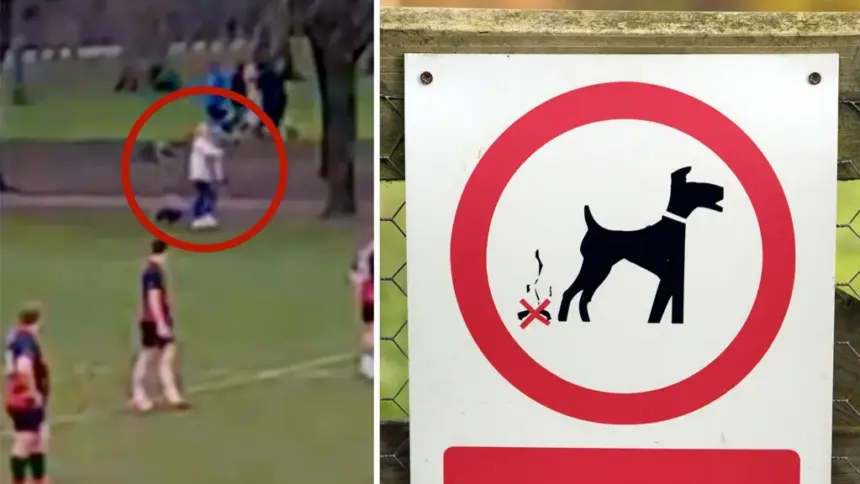
A youth game in Cardiff recently came to a halt for an unexpected reason. According to a BBC report, play on a rugby pitch was suspended until dog waste could be removed. It’s the kind of moment that feels small, but it lands hard for families who spend weekends on the sidelines, and for volunteers trying to run safe games.
Parks are shared spaces, and most people want the same thing: clean fields, happy dogs, and kids who can play without worry. This explainer outlines the health context, existing rules, and practical fixes to reduce conflict without turning neighbors against each other.
What happened on the Cardiff pitch, and why it sparked tension
The BBC report describes a home game in which a dog fouled the rugby field. Play paused while a player addressed the issue so the match could continue. The club says it’s not a one-off. It happens often enough that adults now walk the pitch before games, scanning for hazards.
That routine tells its own story. On a marked sports surface, dog waste isn’t just unpleasant; it also affects how people perceive the space. Parents arrive already tense. Coaches worry about safety and fairness. Dog walkers may feel judged even if they weren’t involved. A simple park becomes a place where everyone suspects everyone else.
The club also described children as young as 8 or 9 leaving with feces on them. That detail matters because rugby involves contact, sliding, and rapid recovery. In a public park with multiple pitches nearby, the problem can spread across teams and age groups. All it takes is one missed pile on a wet day.
The hidden cost for volunteer-run clubs
When fouling is common, the burden shifts to the least-resourced people. Volunteer coaches and committee members end up doing extra checks, extra cleaning, and extra explaining. Those minutes add up, especially on cold weekends when setting up already takes time.
There’s also the emotional load. It’s hard to stay calm when a child gets dirty before kickoff, or when someone has to ask a dog owner to keep pets off the lines. Most conversations are fine, but a few go badly, and that wears people down.
On community sports pitches, the club’s responsibility is to ensure a safe playing environment, but the playing surface is in a shared public area. That mismatch is where frustration grows, even when everyone has good intentions.
Why a single incident can stop a whole match
A match interrupted by dog waste isn’t an overreaction. Rugby has tackling, rucks, and lots of hands on the ground. If there’s feces on the grass, players can end up with it on their skin, their kit, or their hands without noticing until later.
Stopping play is also about the basic safety process. The mess has to be removed before contact resumes, and players may need to check their boots or clean their hands. Open cuts and grazes are common in youth rugby, so avoiding contact with contamination is a sensible precaution, not a punishment for park users.
Why dog waste on playing fields is more than gross, it can be a health risk
Dog waste on grass may seem like a nuisance, but it can also pose a hygiene risk. Children frequently touch the ground, then their mouths, water bottles, or snacks. That hand-to-mouth pathway is one reason adults worry more about feces on sports fields than on a distant trail edge.
This doesn’t mean every exposure leads to illness. Many children who touch something dirty won’t get sick. Still, public health guidance is clear: feces should be kept away from areas where children play, especially those with close contact or sliding.
When people talk about dog poop health risks, they usually mean germs and parasites that can spread if contaminated material gets into the mouth or into broken skin. The risk rises when fields are wet and muddy because it’s easier to smear waste across hands, socks, and gear.
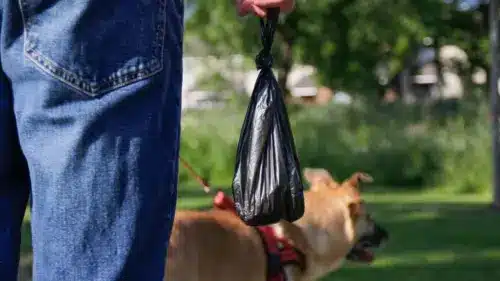

Why it’s a health issue (plain-language safety box)
Why it can cause infection: Some infections happen when parasite eggs from animal poop get into the mouth on dirty hands. Children are at higher risk because they play close to the ground and may forget to wash their hands before eating.
A rare but real example: Toxocariasis is a rare infection linked to worm eggs found in the poo of some dogs, cats, and foxes. The NHS explains that people can become infected if contaminated material gets into the mouth, often from soil that has contained eggs for some time. (See the NHS source below.)
Do this right away if there’s contact:
- Wash hands with soap and water as soon as possible.
- Clean any cuts or scrapes, and cover them with a clean bandage.
- Remove dirty clothing, seal it in a bag until it can be washed.
- Avoid touching the face until cleaned.
What should parents do if a child touches dog poo?
Calm, quick steps usually solve most situations. The goal is to stop further spread, clean the skin safely, and avoid making it more complicated than it needs to be.
- Stop playing and keep your hands away from your face.
- Use wipes or tissue to remove as much as possible, then dispose of them safely.
- If kit is heavily soiled, bag it and seal it until you get home.
- Wash hands and any exposed skin with soap and warm water.
- Clean and cover any cuts or grazes.
- If a child seems unwell later, or if there’s concern about an eye issue or a wound, contact a clinician.
If a club has a sink on-site, great. If not, a small “wash station” setup in a car (water bottle, soap, paper towels, sealable bags) can save the day.
What Cardiff Council says about fines, reporting, and enforcement
In the BBC report, Cardiff Council said park rangers work alongside waste enforcement and education efforts. The council also noted that fines can be issued for failing to pick up dog waste. The BBC reports a fixed penalty notice of up to £100.
That mix of education and enforcement is common across UK cities. It also reflects a practical challenge. Officers can’t be everywhere at once, and many incidents happen early, late, or in bad weather. That’s why reporting and pattern logging matter, especially for clubs trying to show a repeat problem.
For official routes to contact the council and to find out where to report a local issue, see the Cardiff Council contact details. For a sense of how the council describes waste education and enforcement work in general, see its page on waste enforcement and littering.
FAQ: What is the fine for not picking up dog waste in Cardiff?
The BBC report states that the penalty is a fixed penalty notice of up to £100, depending on the circumstances and enforcement action. Some councils use similar levels across public places, including parks and sports areas, when local orders apply.
Because rules and processes can change, the safest approach is to confirm the current position directly with the council. The council’s main contact routes are listed on its Contact us page.
Fines are only part of the picture. In practice, enforcement often depends on evidence, officer presence, or repeated reports that help target patrols. That’s where clear, consistent reporting helps.
How to report repeat problems without starting a fight
Direct confrontation rarely ends well, especially when children are nearby. Reporting is usually the better route, and it can be done in a way that doesn’t inflame tensions.
Clubs and residents can keep a simple incident log:
- Date and time
- Exact location (which pitch, which entrance, nearby landmark)
- Weather and visibility
- Whether the area was in use for sport
- Photos only if safe and lawful, and never of children
If it’s a repeat hotspot, a clear log supports targeted patrols and better placement of bins or signs. It also helps keep conversations factual. The aim is to reduce conflict, not to “catch” someone for social media.
For those outside Cardiff who want the general UK route to notify a local authority, the government’s reporting dog fouling guidance points people to the right place.
Why does the problem often gets worse in winter
The BBC report described the issue as the worst in winter. That tracks with common sense. Wet weather spreads mess faster, and early nights reduce visibility. A dog owner might not see exactly where a dog went, or might lose sight in long grass at the pitch edge.
Winter also changes how parks feel. There are fewer people around, so there’s less natural social pressure. Muddy areas hide waste, and a small pile can get flattened into a wider smear by boots or a rolling ball.
The result is a cycle. More hidden waste leads to more frustration, which leads to sharper exchanges, which makes everyone feel less welcome in a shared green space.
Make winter cleanup faster with a simple pre-game routine
A low-cost pitch walk can be quick if it’s organized:
- Split the field into zones and assign two adults per zone.
- Bring gloves, bags, and a few bright cones.
- If something is found, mark the spot first, then remove it.
- If there are multiple incidents, delay warmups until the surface is checked.
It shouldn’t be needed, but it’s often the difference between a calm kickoff and chaos five minutes in.
What clubs and parents can do now (a checklist that actually helps)
These steps won’t fix everything, but they reduce risk and show that everyone is taking the issue seriously. They also support children’s playing fields hygiene without making parks feel hostile.
For clubs
- Set a written pre-match pitch walk protocol and use it every game.
- Put signs at main entry points that pitches are in use on match days.
- Create a volunteer rota so the same person isn’t always stuck doing checks.
- Agree on a reporting process and assign one person to submit logs weekly.
- Use cones or rope to create a visual boundary, especially along common paths.
- Temporarily rope off pitch edges where fouling occurs most.
- Coordinate with the council for dog waste bins, sign placement, and patrol times.
- Request targeted patrols during kickoff windows, not just midday.
- Keep a small hygiene kit on-site (gloves, bags, wipes, sealable bags).
- Share calm messaging about shared spaces in team chats and newsletters.
For parents
- Pack hand wipes and a spare set of socks.
- Teach kids to keep their hands away from their faces during play breaks.
- Encourage handwashing before snacks and right after the match.
- Report hotspots to the club so issues are logged, not just discussed.
Low-cost fixes clubs can try before spending money
Small changes can reduce incidents without major expense. Practice areas can shift away from common dog-walking routes. Bright cones along touchlines signal that the area is active. Clubs can also request additional bins or improved signage near entrances, where behavior is most easily influenced. Simple match-day reminders in local groups can help, as long as the tone stays respectful.
What dog owners can do to keep parks shared and friendly
Most dog owners already pick up. The problem is usually a small number of missed incidents, mixed with poor visibility and busy routines. Still, a few habits make a big difference for everyone using the park.
Watching dogs closely near marked pitches matters. So does carrying bags every time and using a dog waste bin when available. If a pitch has white lines, posts, or cones, treating it as a “no-go” zone helps avoid conflict and protects players. Picking up after your dog in rain or low light can be inconvenient, but it’s part of responsible dog ownership in shared public parks.
FAQ: How can clubs stop dog fouling on pitches?
There’s no single fix, but a tight plan helps:
- Clear signs at entrances and along main paths
- Consistent reporting so the council can target patrols
- Community messaging that focuses on safety, not blame
- Physical cues like ropes and cones to keep dogs off active areas
- Requests for enforcement during peak match times
When these steps run together, they often reduce repeated problems.
FAQ: Can a sports club install CCTV in a public park?
It may be possible, but permission and privacy rules apply. Public parks are not private venues, and clubs usually need council approval before installing equipment. Cameras also require clear signage and careful handling of footage.
The BBC report mentioned an example in Powys where cameras were used as a deterrent. Some clubs consider CCTV to deter dog fouling, but it is most effective when used as part of a broader approach, not as the sole solution. For privacy and compliance expectations in the UK, the Information Commissioner’s Office is the main reference point: ICO guidance on CCTV and video surveillance.
FAQ
Is dog poo dangerous for children on playing fields?
The main risk is hygiene. Feces can carry germs, and parasite eggs can spread if contaminated material enters the mouth through dirty hands. Cuts and scrapes can also increase concern because rugby involves skin contact with the ground.
Toxocariasis is rare, but it’s one reason health agencies stress handwashing and proper disposal of dog waste. The NHS explains how infection happens and who’s most at risk on its page about toxocariasis.
Sources
- BBC report on the Cardiff match incident
- Cardiff Council contact details
- Cardiff Council waste enforcement and littering
- NHS guidance on toxocariasis
- UK government guidance to report dog fouling
- ICO guidance on CCTV and video surveillance
Conclusion
A Rugby game stopping for dog waste sounds absurd until it happens, then it feels like a basic safety failure. The BBC report shows the issue affects children, volunteers, and park users who are trying to share the same grass. Rules and fines exist, and councils can enforce them, but fast progress often comes from simple routines, clear signs, and consistent reporting.
This week’s practical steps are straightforward: clubs can tighten pitch checks and logs, parents can pack hygiene basics, and dog owners can keep pets off designated areas and always pick up after them. A cleaner pitch protects kids and keeps shared parks working for everyone.
SEE ALSO: Alavés Shocks Espanyol After Falling Behind, Wins 2-1 in La Liga