


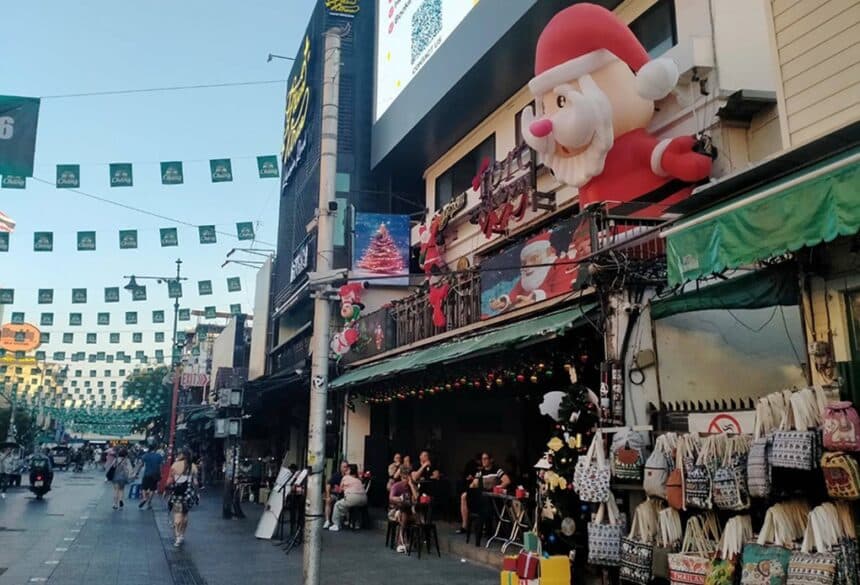
BANGKOK – With 2026 just days away, Bangkok’s famous Khao San Road looks quieter than it should. Neon signs still glow, but many bars have empty stools. Food stalls keep cooking Pad Thai, yet the queues are thin.
In nearby hotels, staff wait in lobbies that should be packed. Late December is meant to be peak season, especially with New Year’s parties on the calendar. This year, the mood feels muted, and it reflects wider problems for Thailand’s tourism industry.
Hotels on Khao San Road and in the surrounding streets are running at around 70 to 80 per cent occupancy in the final week of December 2025. That estimate comes from Sa-nga Ruangwattanakul, president of the Khaosan Road Business Association. In normal pre-pandemic years, rooms were close to full by early December. Even in 2024, during the post-COVID rebound, the area saw stronger numbers than it is seeing now.
Sa-nga told Khaosod that on 29 December that this is the toughest stretch since tourism began to pick up after COVID-19 rules eased. He put bookings at roughly 30 per cent below usual levels. The street looks dressed for Christmas and the New Year, but the crowds have not followed.
Local businesses say the bookings that remain are mostly from foreign visitors who have already committed to New Year’s Eve. Thai customers are spending less, with many operators reporting a 20 to 30 per cent drop in domestic spending as household budgets tighten.

Border Fighting Sends a Warning Signal
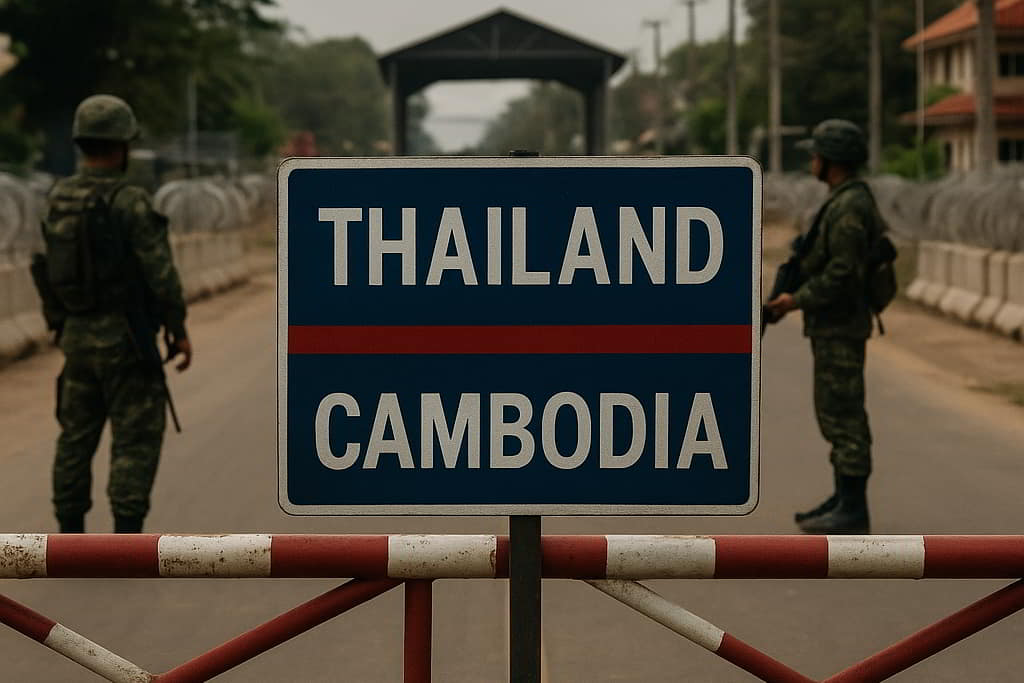
People working in the area point to the same trigger, the renewed Thailand-Cambodia border conflict that flared again in early December 2025. A ceasefire agreed earlier in the year broke down, and fresh clashes followed. Reports of artillery fire, airstrikes, and ground incursions led to large-scale displacement and a wave of travel warnings.
The fighting has stayed in border provinces such as Trat and Sa Kaeo, far from central Bangkok. Still, the news has travelled fast, and it has affected how safe the country feels to some visitors. Several governments, including the US, the UK, and parts of Europe, issued advisories urging care. Even when the guidance focused on border areas, it still shaped general travel choices.
Sa-nga said the tension has made some travellers hesitate. Many have switched their holidays to places they see as calmer, such as Japan or Vietnam, and even China, where promotions and a sense of stability are pulling in winter crowds.
The timing has hit hard. Tourism accounts for close to one-fifth of Thailand’s GDP, and the busiest period runs from November to February. National arrivals for 2025 are forecast at about 32 million, down from 35.5 million in 2024. The usual December rush has not been strong enough to make up for weaker months earlier in the year.

Politics, Household Budgets, and the Strong Baht Add Pressure
The border situation is not the only reason the high season feels flat. Business owners also point to problems at home. Thailand is heading towards early general elections in February 2026, and political uncertainty is building as coalitions look shaky and frustration over the economy grows.
One hotel operator on Khao San Road said the run-up to the election has made people cautious with money. Slow recovery after the pandemic, high household debt, and wages that have not kept up have also made Thai travellers less likely to book holiday breaks.
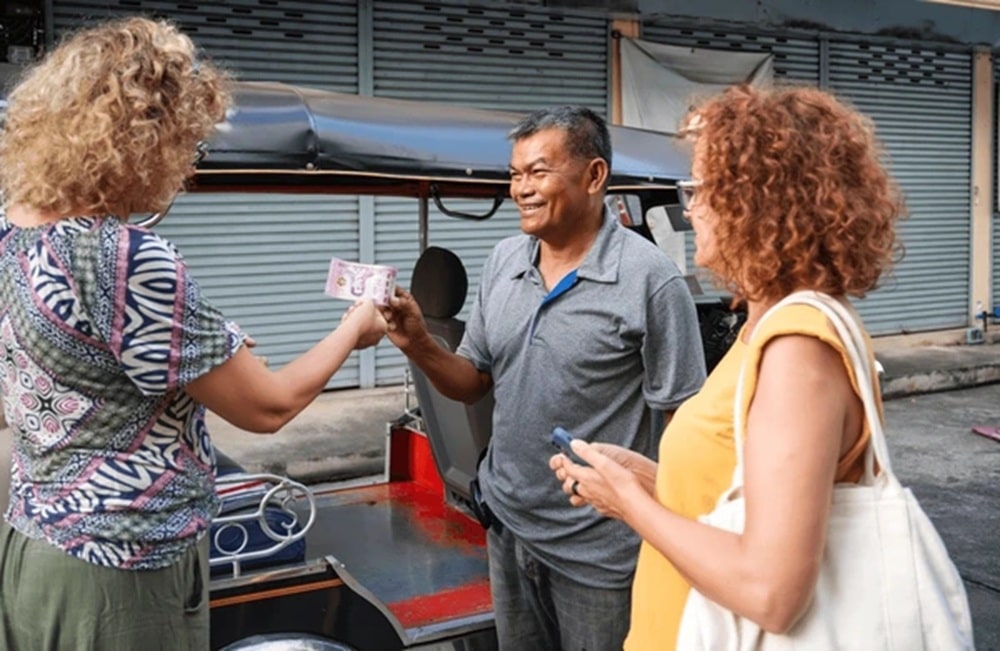
Then there is the currency. The Thai baht has strengthened, trading at around 31 to 32 to the US dollar in late December, one of its strongest levels in years. That makes Thailand more expensive for many overseas visitors. Europeans, Americans, and Australians get less for their money, and some are choosing cheaper options elsewhere.
Rivals in the region have benefited. Vietnam and Indonesia, with weaker currencies and heavy marketing, are attracting budget travellers who once filled Khao San’s low-cost guesthouses, street food spots, and nightlife venues.
Khao San Road Business Owners See Small Bright Spots
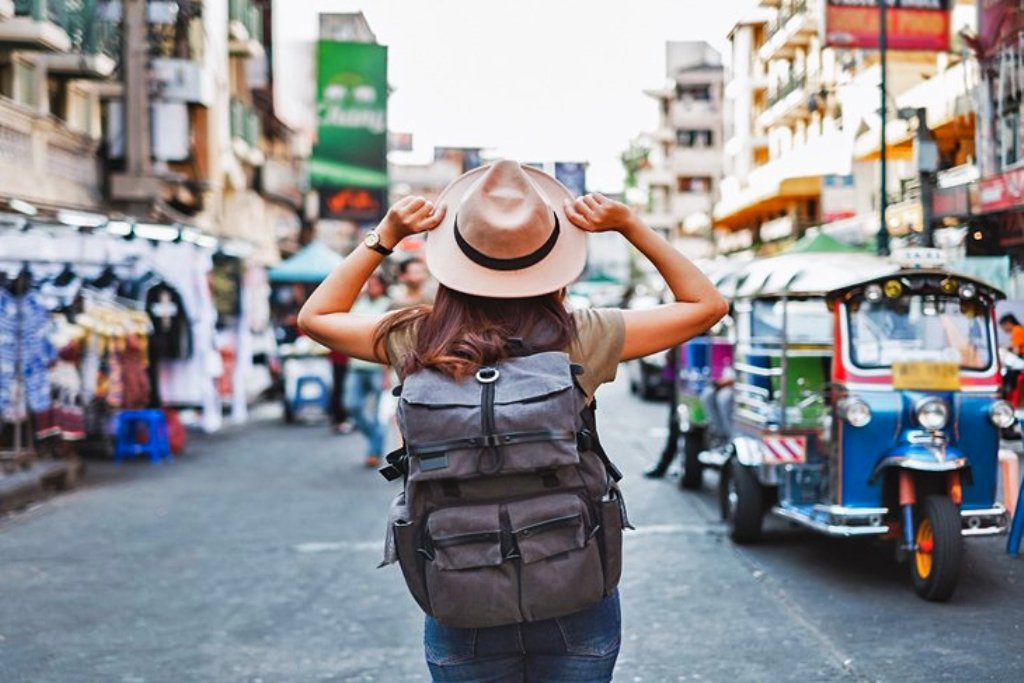
Along Khao San Road, people keep going, but the strain shows. A bar owner, who asked not to be named, said the team expected full houses for the New Year. A wave of cancellations followed after the border headlines. Sellers of crafts and novelty snacks say daily takings are about half of what they earned at this time last year.
There has been a small lift in mood after a ceasefire agreement was signed on 27 December. It paused fighting for at least 72 hours and opened the door to talks. Some businesses have seen a few late bookings, but most agree it will not change this New Year’s week. Sa-nga said it may help more in 2026 than in the final days of 2025.
Tourism officials are still talking about growth next year, with targets of 34 to 37 million arrivals if stability returns. Plans to promote more sustainable travel and push secondary destinations, including Chiang Mai, are meant to reduce pressure on Bangkok’s party streets and spread income more widely.
Khao San Road’s slowdown shows how quickly Thailand’s tourism can swing. It reacts fast to news shocks, currency moves, and regional tensions. Once seen as the classic backpacker stop, made famous in books and films, the street is now dealing with new travel habits after COVID, stronger competition in Southeast Asia, and the long shadow of overtourism.
As the New Year countdown events start tonight, operators are hoping for calmer months ahead. For now, the country’s most famous backpacker strip feels subdued, a reminder that even the best-known holiday spots can change quickly when the region turns tense.