




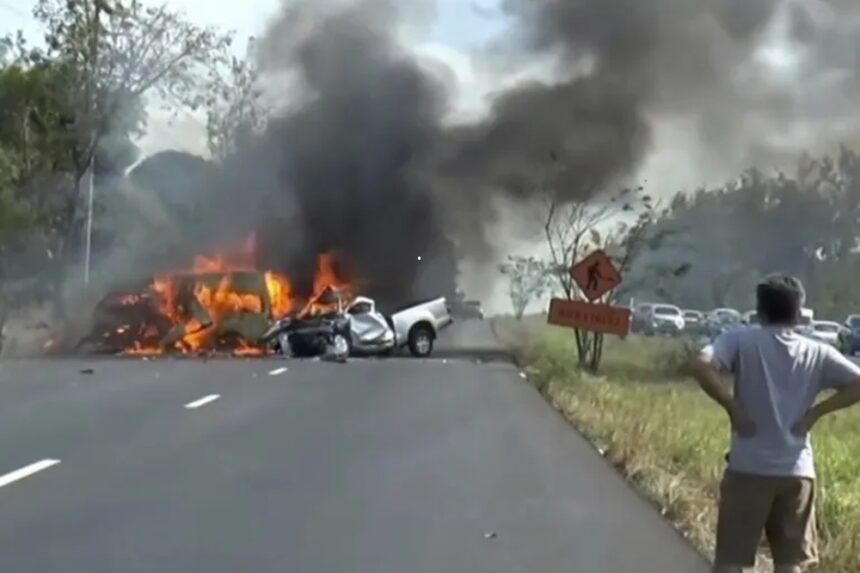
BANGKOK – As the New Year travel rush winds down, Thailand is again facing a painful loss of life on its roads during the annual “Seven Dangerous Days” road safety campaign. The campaign runs from December 30, 2025, to January 5, 2026, and is meant to push safer driving when travel peaks. Early totals, however, point to another year of avoidable crashes and grief.
The Department of Disaster Prevention and Mitigation (DDPM) reported on Monday that Thailand recorded 1,364 traffic accidents from December 30 to January 4, the first six days of the campaign. Those crashes left 241 people dead and 1,313 injured. The numbers reflect a long-running road safety problem, made worse by busy roads, long drives, and risky choices during the holiday break.
Officials said motorcycles appeared in most crashes, often around 70% to 80% in daily updates. Many incidents happened on straight highway stretches under the Department of Highways. Late afternoon and evening remained the most common danger window, when fatigue, speed, and impaired driving tend to collide.
Bangkok and Phuket See the Most Impact
Crashes happened nationwide, but a few places stood out. Bangkok recorded the highest number of deaths overall, tied to the capital’s heavy traffic and the surge of people heading home or returning after the holidays. Phuket reported the most accidents and the most injuries. With packed streets, visitors unfamiliar with local roads, rental vehicles, and nightlife, the island often sees higher risk during holiday periods.
These areas show different problems at once: city congestion in Bangkok and travel-driven hazards in Phuket. Authorities increased checkpoints and breath tests in both locations, but the toll stayed high.
Speeding was the top cause of crashes, making up a large share of cases in daily reports, often more than a third. Drunk driving followed close behind. Police and the DDPM repeatedly pointed to drivers pushing limits on open roads and poor judgment after celebrations.
Alcohol-related offenses also drew strong attention from enforcement teams. In the first part of the campaign, thousands of cases entered the probation process, with some reports showing about 95% tied to alcohol.
By January 3, probation figures listed close to 3,000 drunk-driving cases nationwide since the crackdown began. Penalties such as community service and increased patrols were meant to reduce repeat behavior, but alcohol still played a major role in many deadly crashes.
Other common factors included riders skipping helmets, unsafe lane changes, and drowsy driving, especially among motorcycle users who account for a large share of deaths.
Chiang Rai’s Share of Northern Road Accidents
In northern Thailand, Chiang Rai also saw troubling figures. The province posted one of the most serious accident counts early in the campaign and matched Phuket for the most crashes on December 30, with roughly 11 incidents reported. Rural routes, mountain roads, and trips to border areas or family homes added to the risk, including single-vehicle crashes.
Local officials increased checkpoints on major roads, but several serious cases involved speeding motorcycles and late-night travel. Chiang Rai did not lead the country in deaths, yet its early crash totals were a clear warning for northern communities. Holiday traffic between Chiang Rai, Chiang Mai, and other provinces can be heavy, and past campaigns have shown a pattern of single-vehicle wrecks. This year brought the same calls for helmet use and sober driving.
Push for Real Change in Thailand
With the final day of the “Seven Dangerous Days” campaign underway, officials are urging drivers to stay alert as millions travel back for work. The DDPM, the Ministry of Transport, and police added more checkpoints, rest stops, and public safety messages focused on slowing down and driving carefully.
Road safety groups say holiday-only campaigns are not enough. Thailand remains among the countries with the highest road death rates, and deeper issues, such as weak year-round enforcement, vehicle upkeep, and limited public transport, keep feeding these yearly spikes.
From Bangkok’s busy streets to Phuket’s tourist roads and Chiang Rai’s highlands, families are mourning losses that did not have to happen. As 2026 begins, many are hoping the 241 deaths and the thousands injured push for stronger, consistent action to make Thailand’s roads safer for everyone.