




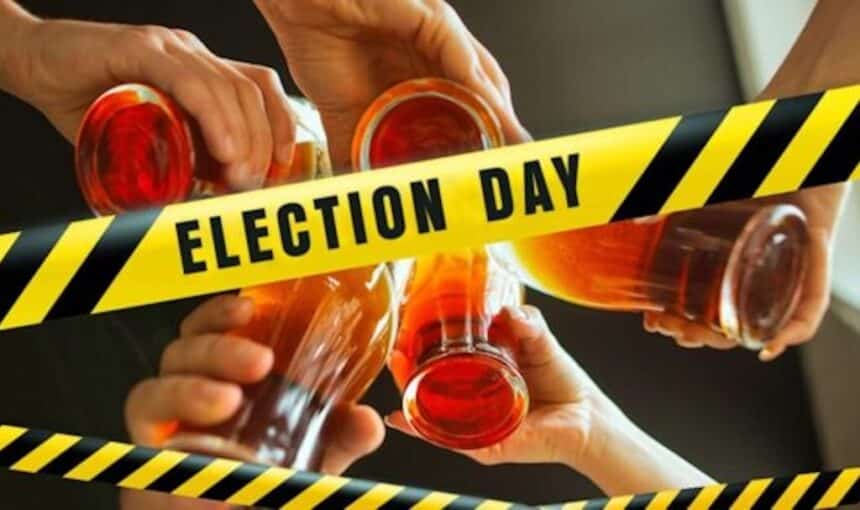
BANGKOK – Thailand is heading into a major general election on Sunday, February 8, 2026, and a familiar rule is back in force. The Election Commission of Thailand (EC) has ordered a nationwide ban on selling, serving, or handing out alcohol during key election periods. The restriction covers bars, restaurants, convenience stores, event venues, and private settings across the country, including Chiang Rai province.
The alcohol ban applies during two separate windows. The first is tied to advance voting on Sunday, February 1. Alcohol sales and service must stop from 6:00 p.m. on Saturday, January 31, through 6:00 p.m. on February 1. The second window is for election day itself. It runs from 6:00 p.m. on Saturday, February 7, until 6:00 p.m. on February 8.
During these hours, no alcoholic drinks may be sold, given away, served at gatherings, or shared in any way within election areas. In practice, that means nationwide enforcement for the full period.
Anyone who breaks the rule can face stiff penalties under election laws, including up to six months in jail, a fine of up to 10,000 baht, or both. The EC says the rule applies to everyone, including tourists and people who are not voting, as part of protecting the election process.
Why Thailand Bans Alcohol on Election Days
Thailand’s election-day alcohol ban has been part of the system for years. The goal is to keep voting fair, calm, and orderly. The policy also reflects past concerns that alcohol has been used to sway voters.
In earlier elections, some candidates and local teams hosted dinners, parties, or offered free drinks as a form of influence. Sometimes it looked like friendly hospitality, but it could cross into vote-buying. By stopping alcohol sales and service in the hours around voting, officials try to close off that route.
The ban also supports clear thinking at the polls. Election officials want voters to make decisions sober, without alcohol affecting judgment. It can also reduce tension near polling stations by lowering the chance of arguments or disruptions tied to drinking.
This rule sits inside Thailand’s election laws, which focus on protecting the voting process in a country that has faced election disputes and reports of irregularities in the past. While other alcohol rules have been eased at times to support tourism, such as limited changes to afternoon sales, the election-related ban stays in place and overrides those exceptions.
Police Step Up Efforts Against Election-Related Crime
Alongside the alcohol restrictions, Thai police are increasing enforcement to prevent election-linked crime. National Police Chief Kittharath Punpetch has ordered a nationwide push against influential figures, contract killings, illegal guns, and other threats in the weeks before the vote.
Deputy National Police Chief Pol Gen Samran Nualma, who leads the election security and order center, said police will intensify operations from January 25 to 31, right before advance voting. Units nationwide, including in northern provinces like Chiang Rai, have been told to crack down on crime overall, with extra focus on anything that could affect the election.
Police are watching for hired gunmen, local power brokers, and the spread of illegal weapons that could be used for intimidation or violence. More than 120,000 officers are expected to be assigned across the country to help secure about 90,000 polling stations. Security will be tighter in high-risk areas where races are expected to be close or heated.
The Royal Thai Police are also working with intelligence teams to monitor political operatives and respond quickly to wrongdoing. Officials say the goal is to deter vote-buying, intimidation, and disinformation, along with any links between politicians and criminal groups tied to drugs or online gambling, issues that have come up in recent cases.
A Major Vote Is Coming
The EC has also worked with major platforms, including Meta, Google, and TikTok, to limit false or harmful online content that could mislead voters or stir unrest.
The February 8 election will decide the makeup of Thailand’s 500-seat House of Representatives after parliament was dissolved on December 12, 2025. Voters will also see a constitutional referendum on whether Thailand should draft a new charter to replace the 2017 constitution.
Advance voting on February 1 gives eligible citizens a chance to vote early, either within their home area or outside their constituency, depending on their registration.
In Chiang Rai, local officials are reminding residents and businesses to plan. That means no last-minute beer, wine, or spirits purchases during the restricted hours. The ban can be a headache for nightlife and hospitality operators, but authorities say it supports a clean and orderly election.
Election officials are also urging the public to use their voting rights responsibly and report anything suspicious. With tighter policing and the alcohol ban in place, the hope is for a peaceful vote and results that people can trust.