


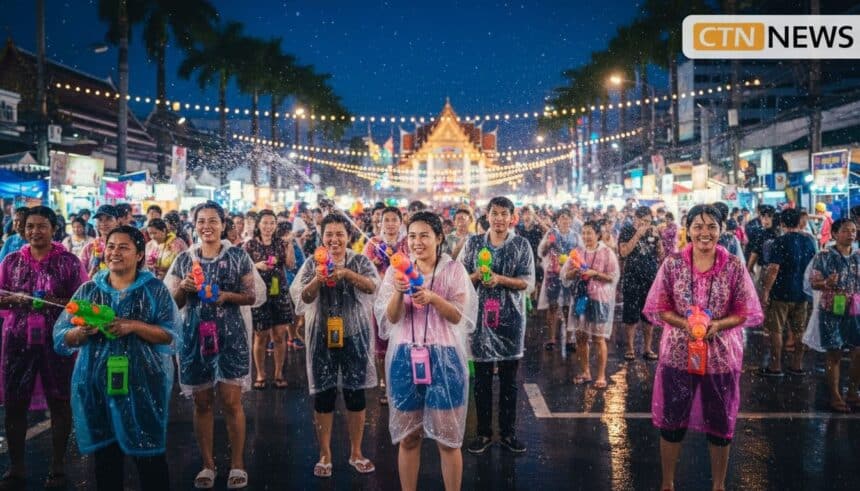
Songkran Festival 2026 lands in the hottest part of the Thai year, and Bangkok responds the only way it knows how: with temple rituals in the morning and city-wide water fights by afternoon.
Songkran is Thai New Year. It blends family traditions, Buddhist customs, and public street play. The official public holiday dates are April 13 to 15, 2026, though some places celebrate for longer stretches.
Expect to get wet in the main zones. It’s also possible to join quietly, through temples, cultural events, and calmer neighborhoods.
Songkran Festival 2026 dates (Thailand public holiday period)
Thailand’s official Songkran holidays in 2026 are April 13, 14, and 15. That fixed window matters for transport and closures, but real-world plans often stretch beyond it.
Crowds can build earlier if the holidays connect to a weekend, and some local events run longer. Any official extensions or large, city-backed event schedules are usually confirmed closer to April. For planning, treat Songkran like peak season: some businesses close, many routes slow down, and popular hotels sell out early. A solid primer on timing and what usually changes is in this practical Songkran 2026 guide.
Quick calendar: what usually happens on each day
- April 13: New Year kickoff, temple visits, merit-making, first major water play.
- April 14: Family day feel in many homes, blessings for elders, steady street activity.
- April 15: Big water-play day in many cities, some areas keep going into the evenings.
Best times of day to go out in Bangkok if you want less chaos
Mornings are calmer and suit temples and walks. Midday to late afternoon is when many water zones peak. Evenings can be easier for dinner if it’s away from the core splash streets, since some areas stay loud and dense late into the night.
What Songkran means (Thai New Year, water symbolism)
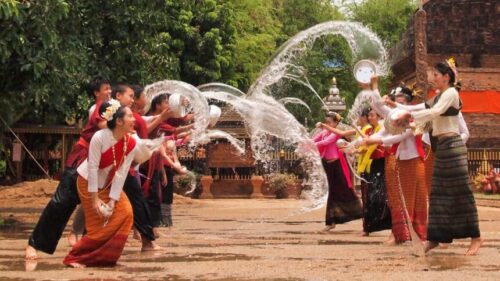

Songkran marks renewal. Water is the symbol, used as a blessing and a way to wash away bad luck from the old year.
Traditional forms are gentle: pouring scented water over Buddha images, making merit, and offering a respectful water-pouring blessing for elders. In some areas, a light smear of white paste (often seen as a friendly blessing) is common, but it should stay polite and soft, never aggressive.
Temple customs that visitors can do respectfully
Dress modestly (shoulders and knees covered). Remove shoes where required. Keep voices low. Ask before taking photos. Never splash or spray inside temple grounds. Many temples offer a small bowl for “bathing” Buddha images, which is the cultural opposite of street water-gun play.
Best places to celebrate (Bangkok + Chiang Mai + Phuket + Pattaya + a traditional option)
Bangkok is the headline act, with major streets turning into controlled pedestrian splash zones. It’s also the easiest place to mix wet and dry plans using BTS and MRT.
Chiang Mai is known for long-running water play around the Old City and moat areas, plus strong temple culture. Phuket and Pattaya combine water play with beach-town energy, with some areas leaning party-heavy. For a quieter, more traditional option, smaller provincial towns often focus on temple merit-making, family gatherings, and community ceremonies, with less street intensity.
For first-timers comparing styles and what to expect, this first-timer Songkran guide lays out common patterns across Thailand.
Bangkok: neighborhood-by-neighborhood guide (vibes, transport, cautions)
Bangkok’s main Songkran areas differ in crowd density, music volume, and how easy it is to exit when it’s too much. Public transit is often the best backbone, since traffic can lock up near closures.
Khao San Road: the biggest water fight, and what first-timers should know
Khao San is dense, loud, and nonstop wet. Expect shoulder-to-shoulder crowds and little personal space. Comfort and safety basics help: a waterproof phone pouch, a closed crossbody bag, and a clear meet-up point. Taxi access can be slow, so walking from nearby streets is often faster.
Silom and Siam: easier BTS access, different crowd energy
Silom is a major battle zone with huge crowds, and BTS or MRT access is a practical advantage (stations still get packed). Siam has a mixed feel, with shopping areas nearby and a daytime crowd that can suit teens and people who want breaks indoors.
Quiet and cultural Bangkok options (temples, mornings, and calmer neighborhoods)
Early temple visits keep things calm. Common choices include Wat Pho, Wat Arun, Wat Boworn, and Wat Benchamabophit. Some travelers also choose family-style water pouring in private settings, or side streets away from the known splash roads.
A simple “stay dry” plan exists: use indoor malls, museums, and scheduled meals in areas not tied to water-fight streets. Waterfront events can also be more organized. For an example of a managed venue format, see these ICONSIAM Songkran celebration details.
What to wear and what to pack (with checklist)
Dress for heat, water, and walking. Choose quick-dry clothing that still looks respectful in public. Bring only what can get wet.
Packing checklist that works for both wet and dry plans
- Quick-dry shirt and shorts, or light pants
- Grippy sandals (not slick flip-flops)
- Waterproof sunscreen, hat
- Waterproof phone pouch, small cash
- Copy of ID (store the original passport in the hotel)
- Reusable water bottle
- Optional: goggles (eye protection), earplugs (noise)
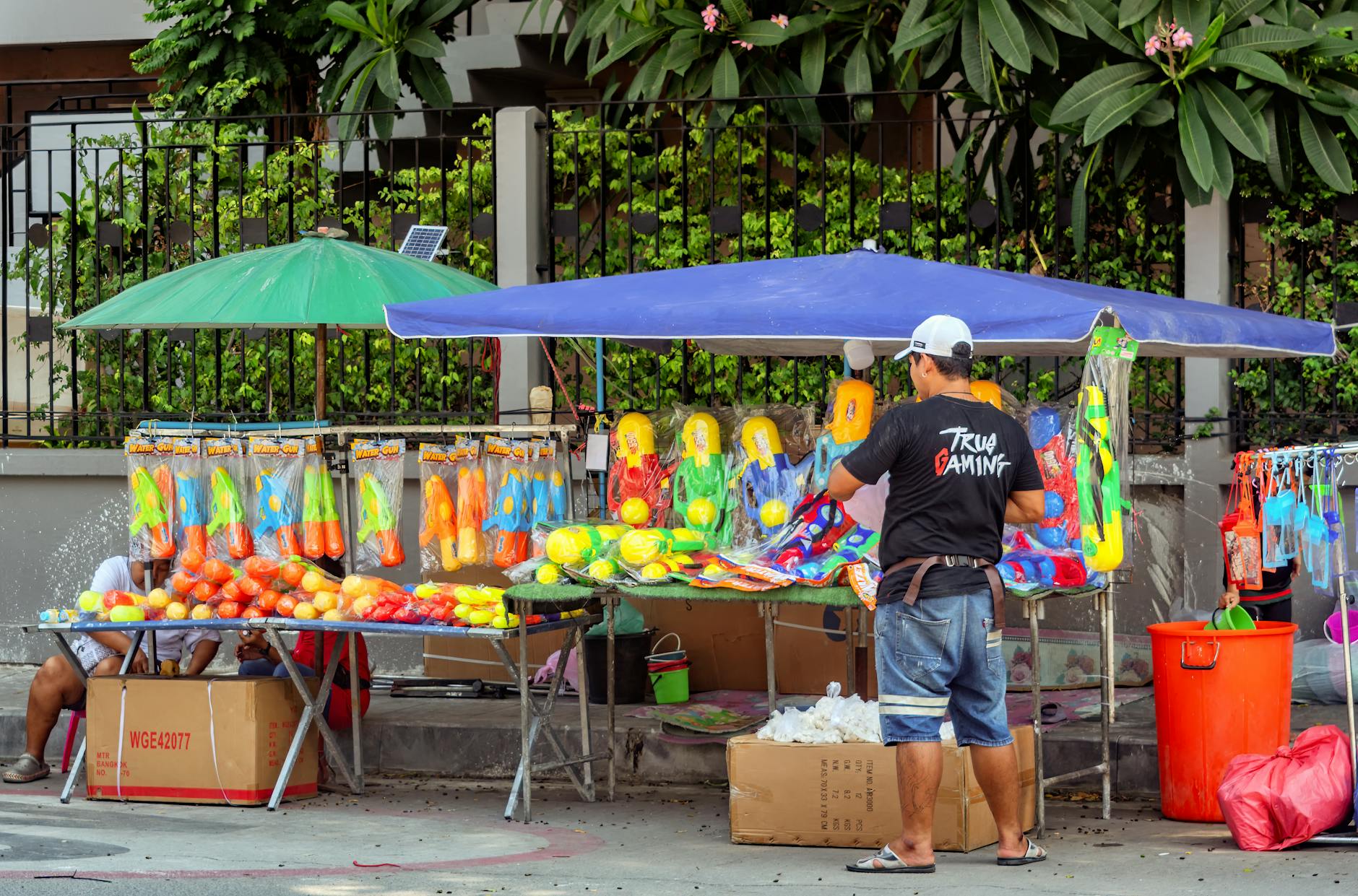
Photo by Andreas Maier

Safety guide (road safety, crowd safety, phone and cash safety, health)
Songkran overlaps with a well-known rise in road accidents. Avoid splashing drivers, riders, or anyone on a moving vehicle. Stick to pedestrian zones when possible.
In crowds, keep valuables tight to the body and zipped. Expect slippery surfaces, broken pavement, and sudden surges near music. For health, plan shade breaks, drink water often, and reapply sunscreen. Use clean water for play, avoid canal water, and skip high-pressure sprays close to faces. For broader country safety context, review this Thailand travel advisory roundup.
Etiquette and cultural do’s and don’ts
A few rules prevent most problems fast.
Do: ask before splashing, aim below shoulders, keep water clean, step back when someone signals “no.”
Don’t: splash monks, elders, babies, pregnant people, or anyone in work uniform; don’t use ice water or high-pressure guns; don’t wear swimwear as streetwear.
Respect also applies online. Don’t film people in distress or post content that humiliates locals.
Costs and booking advice (simple ranges, note variability)
Small costs add up during Songkran. Typical street prices vary by area, but travelers often budget for basics: a simple water gun, a phone pouch, and extra snacks and drinks during heat.
April is peak demand in major hubs. Hotel rates can rise sharply around April 13 to 15, and central locations near BTS or MRT tend to go first. Book early if plans are fixed, and confirm hotel policies on wet clothing, lobby access, and towel rules.
Sample 3-day itinerary (balanced: culture + fun)
Day 1 (April 13): Morning temple visit and merit-making, afternoon water play in a main zone, evening dinner in a drier neighborhood.
Day 2 (April 14): Cultural focus, museums or river areas, short water-play window late afternoon.
Day 3 (April 15): Pick one big splash zone, then exit early for a dry shower break and a calmer night.
FAQ
When is Songkran Festival 2026?
April 13 to 15, with some events outside the core dates.
Will Bangkok roads close?
Many key streets restrict cars near major water zones.
Is BTS and MRT running?
Usually yes, but stations can be very crowded.
Can temples be visited during Songkran?
Yes, mornings are best for calm visits.
Is it OK to splash everyone?
No, always respect “no,” and avoid vulnerable groups.
Are water guns allowed?
Yes in many zones, but avoid high-pressure models.
What should stay in the hotel safe?
Passport, expensive jewelry, and fancy cameras.
Is Songkran family-friendly?
Yes, in daytime areas and organized venues, less so late-night streets.
What if staying dry is the goal?
Choose malls, museums, and restaurants away from splash roads.
Do prices increase?
Often yes for hotels and transport during peak days.
Conclusion
Songkran Festival 2026 runs April 13 to 15, mixing Thai New Year traditions with big-city street play. Bangkok offers every intensity level, from temple mornings to full water battles on major roads. Pack light, follow etiquette, and plan transport around closures.
How we verify info
This guide cross-checks updates from Tourism Authority of Thailand (TAT) notices, Bangkok city announcements, police advisories, and reporting from major Thai news outlets.
Editorial note: This guide is research-based and updated regularly. If you spot changes, contact us. Subscribe to Chiang Rai Times travel updates for ongoing Thailand planning coverage.