



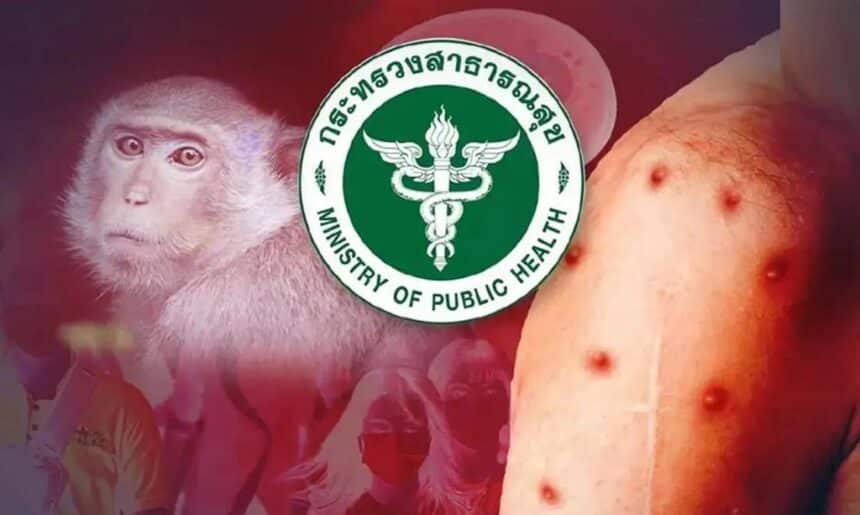
BANGKOK – Thailand’s Department of Disease control report that the Kingdom has logged close to 1,000 cases of mpox (previously called monkeypox) since the infection began spreading worldwide in 2022.
The latest figures from the Department of Disease Control (DDC), part of the Ministry of Public Health, put the running total at roughly 1,000 confirmed cases nationwide as of mid-January 2026. Bangkok still reports the most infections.
Officials say about 97% of cases have been found in gay men, with many patients reporting sexual contact with unfamiliar partners.
Surveillance has been tightened, especially in provinces popular with tourists, because mpox mainly spreads through close contact. The DDC has also increased monitoring and supplied more than 2,175 doses of the mpox vaccine to priority areas. These include Bangkok, Chon Buri, Chiang Mai, and Phuket, with doses aimed at high-risk groups and frontline healthcare staff.
Mpox cases rise in tourist areas, officials urge care
The name mpox is now used more widely to reduce stigma linked to the old term. In Thailand, most patients are of working age. Cases have been reported among both Thai residents and international visitors, including in well-known holiday destinations.
Health teams are watching busy tourist venues closely, because crowded spaces and close physical contact raise the chance of spread.
The public is being asked to avoid close contact with anyone who has unusual rashes, blisters, or pustules. Advice also includes keeping up good hygiene, washing hands often, and not sharing items like towels, bedding, or clothing. Anyone with a fever, swollen glands, or a new rash should seek medical care quickly and isolate to reduce the risk of passing it on.
Provinces with the most confirmed mpox cases
DDC figures show the highest totals since 2022 are in:
- Bangkok: 458 cases (454 men, 4 women), the main centre of cases, reflecting its large population, active nightlife, and role as a major hub for locals and visitors.
- Chon Buri: 85 cases (84 men, 1 woman), which includes Pattaya, a busy tourist city known for nightlife.
- Other provinces with higher numbers include Chiang Mai and Phuket, both linked to tourism and both included in priority vaccine supply.
Overall, the pattern points to urban and coastal areas with active social networks, where close contact is more common.
How mpox spreads and where it came from
Mpox is caused by the monkeypox virus, part of the Orthopoxvirus group, which is related to the virus behind smallpox. The virus has long been present in Central and West Africa, where it circulates in animals such as rodents and primates.
In the past, human cases were less common and often linked to animal-to-human spread, such as bites, scratches, or contact when handling infected animals.
The outbreak that started in 2022 has looked different. Many cases have come from person-to-person spread, mainly through prolonged close contact. This can include:
- Direct skin contact with rashes, sores, or body fluids.
- Sexual contact, including oral, anal, or genital sex.
- Respiratory droplets during long face-to-face contact (less common).
- Touching contaminated items, such as bedding, towels, or clothing.
Mpox is not like illnesses that spread easily through the air. It usually needs close, often intimate, exposure. Since 2022, clade IIb strains have driven early waves and have spread well through close-contact networks.
Steps that help prevent mpox
Reducing risk mostly comes down to avoiding close contact when symptoms are present and taking sensible precautions. Health officials recommend:
- Avoid skin-to-skin contact with anyone who has a rash, blisters, or unexplained sores.
- Using condoms and dental dams during sex, while keeping in mind that they don’t cover every area where lesions can appear.
- Keeping good hygiene, washing hands with soap, cleaning surfaces, and not sharing personal items.
- Vaccination, with the JYNNEOS vaccine (or similar options) prioritised in Thailand for people at higher risk.
- Isolating right away if symptoms start, and speaking with a healthcare provider.
Spotting symptoms early and getting tested quickly can help limit the spread.
Why do gay men make up most cases in Thailand?
In Thailand, and in global reporting, men who have sex with men (MSM) account for most cases. In Thailand, officials put that share at around 97%. This isn’t because of any built-in biological risk. It’s mainly due to how the virus has spread in the current outbreak, through networks where people may have multiple partners or anonymous sex.
In 2022, transmission increased at certain events and venues, including parties, saunas, and travel-linked gatherings. Many Thai cases also include a history of sexual contact with unfamiliar partners, which raises the chance of exposure. Stigma can make public health work harder, so targeted education, vaccination, and community support have been important in slowing the spread.
Anyone can get mpox through close contact, regardless of sexual orientation. The current case pattern reflects contact and network risks, not identity.
As tourism continues to recover, health agencies say ongoing care is still needed. The DDC is watching for new imports, including clade Ib, and continues to encourage vaccination for those at higher risk, alongside safer behaviours. With totals nearing 1,000 and no clear sign of a quick drop, public co-operation remains key to keeping mpox under control.