




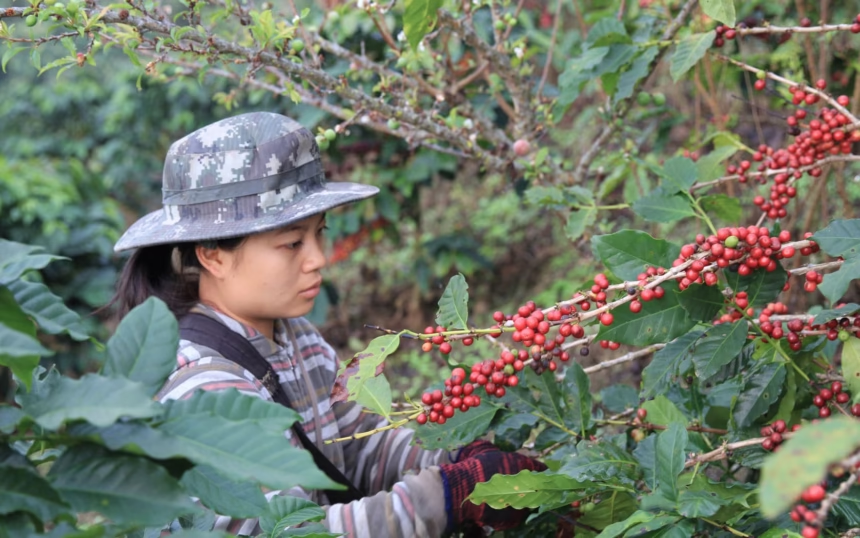
CHIANG RAI – Hotter temperatures are starting to change how coffee is grown in Chiang Rai. Over the past 4 to 5 years, the weather has shifted, with summer days now reaching around 30°C in places where that level was rare before. Low-lying coffee plots are struggling with the heat, and coffee trees are showing stress and weaker growth.
On top of that, drought and out-of-season rain have become major problems. These conditions disrupt flowering and harvests, and they can wipe out a large share of the crop. Most losses fall into two main patterns.
Extreme heat and drought (March to April) are the key flowering period. If temperatures spike and rain doesn’t come, coffee trees may not flower well, or flowers may fail to set fruit.
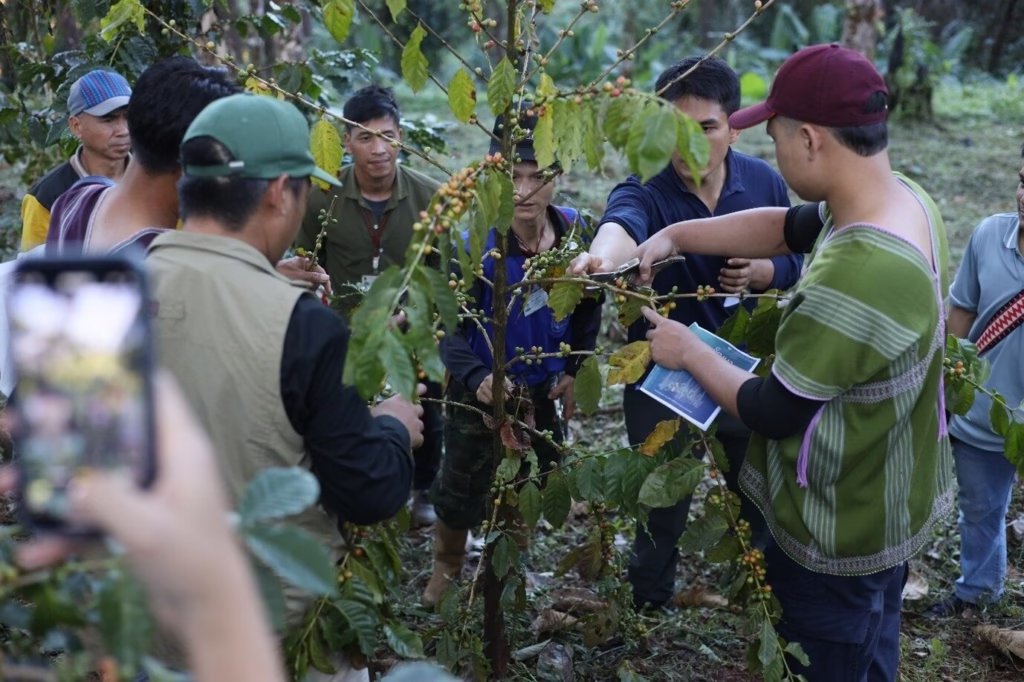

Heavy, badly timed rain is increasingly heavy, sometimes described as “เรนบอมบ์” (Rain Bomb). Downpours during fruit set can trigger black mould disease on beans and ruin quality. If heavy rain hits when cherries ripen (roughly late November to March), fruit can split and drop, and farmers can’t pick fast enough.
Because of this, many growers are moving coffee plots to higher ground to protect both quality and yield. In areas that used to be suitable, the balance of temperature and rainfall is harder to find than it was.
This is what farmers in Ban Pang Khon and Pha Lang, Chiang Rai, are facing as the climate becomes more unstable. Support has also come from PTT Oil and Retail Public Company Limited (OR), working through the Café Amazon team.
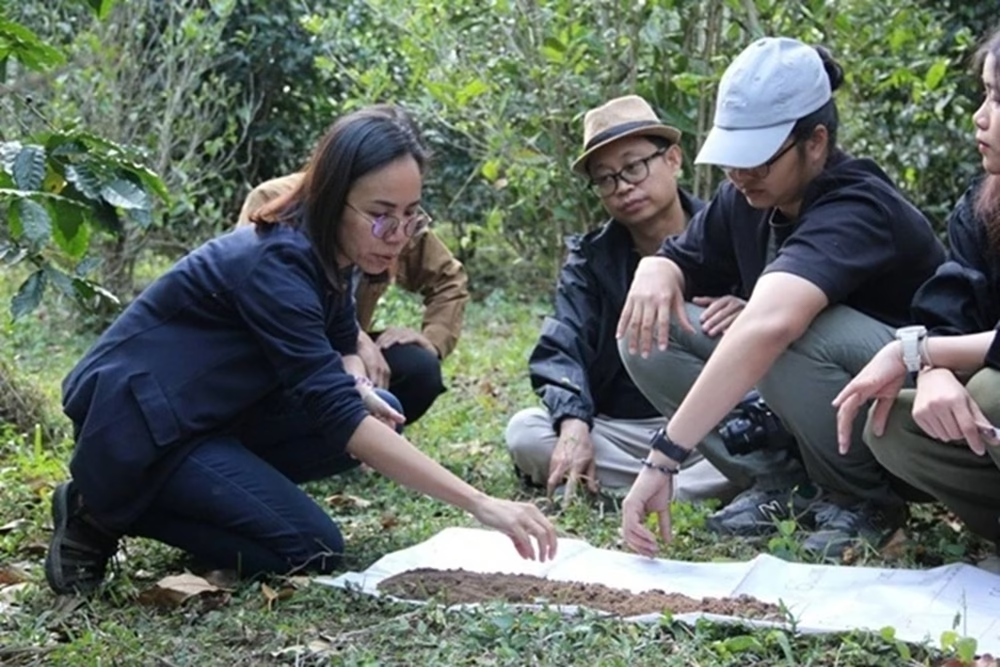

They have worked with farming communities for more than 10 years across several areas, and they have brought that experience to develop highland coffee in Chiang Rai as a model for more sustainable growing.
The work covers practical training, quality improvement, and fair purchasing, with coffee supplied to more than 4,500 Café Amazon branches nationwide. Those shops serve a combined total of over 400 million cups worldwide each year.
The long-term focus has helped improve coffee quality year after year, and it has also raised living standards for families in the two villages in visible ways. The sustainable coffee programme has continued for over a decade with partner networks, built around two basics, knowledge and standards, not buying alone.
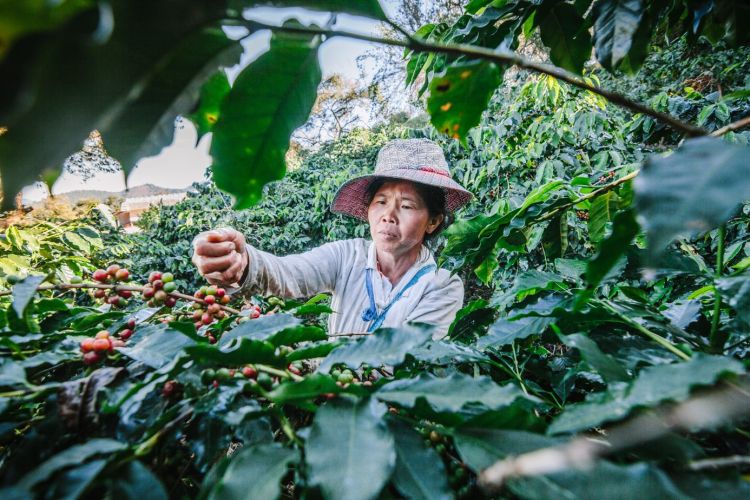

The team works in several provinces, including Chiang Rai, Chiang Mai, Nan, and Chumphon, to build better growing systems and a market that is transparent and fair. That helps farmers earn a steadier income, not just short-term gains.
OR’s approach is to develop alongside communities, show up when problems happen, and support solutions on the ground, to make coffee a stable long-term job.
Climate disruption is no longer an abstract warning. Thai coffee farms are already feeling it through higher temperatures, unpredictable rain, and seasons that no longer follow old patterns.
Moving farms uphill can help, but it isn’t a final fix on its own. Farmers also need the right know-how, adaptation plans, and reliable support. If the climate keeps shifting, Thai coffee won’t survive by altitude alone; it will depend on how fast growers and partners can adjust to a changing world.