




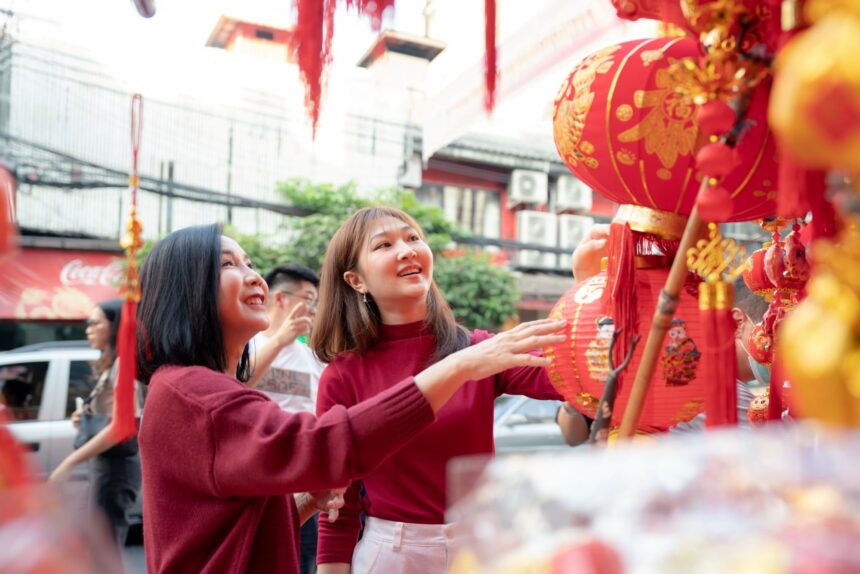
CHIANG RAI – Chinese New Year 2026, also known as Lunar New Year and the Year of the Horse, starts on February 17, 2026, and the season often runs for about 15 days, finishing around the Lantern Festival in early March.
In Thailand, that can mean a city painted red with lanterns, lion and dragon dances weaving through crowds, temple visits for blessings, street food stalls working late, and the crackle of firecrackers (rules vary by area).
Exact programmes can shift year to year, and many 2026 schedules will only be confirmed closer to mid-February by the Tourism Authority of Thailand. Still, Thailand’s main celebration hubs are predictable, and planning around them pays off.
This guide focuses on where the atmosphere is strongest in Bangkok, Chiang Mai, and Chiang Rai, and how to pick the right base depending on travel style.
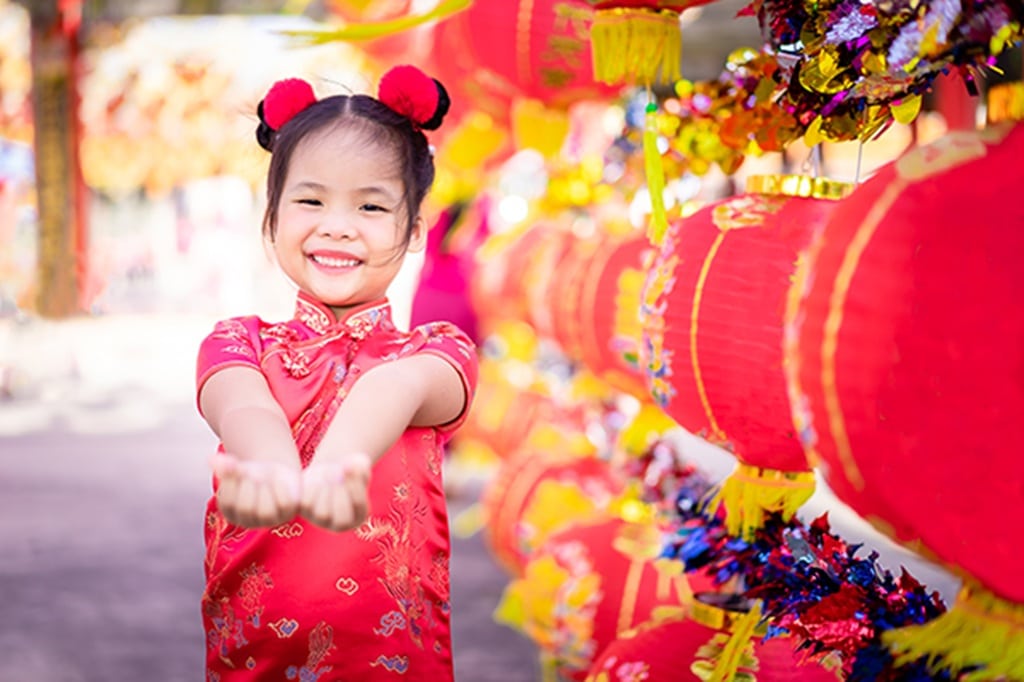

Bangkok, the biggest Chinese New Year 2026 celebrations for food, parades, and late nights
Bangkok is the obvious choice for first-timers who want maximum energy. The busiest nights are usually around 17 to 19 February, when Bangkok Chinatown fills up early and stays lively well after dinner. The city’s Thai-Chinese families are huge, so celebrations spill beyond one street into temples, shopping areas, and riverside venues.
It’s also the best place to “follow the noise”. A visitor can wander from a temple incense line to a sizzling wok, then end up under a canopy of red lanterns without needing a formal ticket or a fixed plan. For a sense of what typically happens in the area, the event rundown at the Chinese New Year in Chinatown Festival in Bangkok offers useful background.
Transport and crowd reality matter here. Road closures and slow taxis are common near Chinatown, so the easiest approach is to use the MRT to the Wat Mangkon area, then walk. Mobile signal can struggle in dense crowds, so meeting points should be agreed in advance.
Yaowarat Road (Bangkok Chinatown), where the streets turn into one big festival
Yaowarat Road is where Bangkok turns Chinese New Year into a full-body experience. The street feels like an open-air theatre: lion and dragon dances appear in pockets, music and drumbeats bounce off shopfronts, and food stalls form long, tempting lines of auspicious food. Shoppers can pick up lanterns, small lucky charms, and red envelopes, even if they only want a simple souvenir symbolizing good fortune and prosperity.
Timing changes the mood. Early evening suits those who want to eat well and still move; later hours suit those who want the strongest atmosphere, but with tighter crowds and slower walking. A practical approach is to arrive before sunset, eat first, then spend the later hours watching performances and soaking up the street energy on Yaowarat Road.
Crowd tips tend to sound obvious, but they save holidays: arrive early, keep valuables zipped, and choose one easy landmark as a meet-up point. Those wanting a preview of visitor experiences often check Thailand Chinatown Festival reviews to understand the crowd levels.
Temple stops for blessings, plus riverside spots for an easier evening.g
Temple visits sit at the heart of the season, especially during Worship Day and Shopping Day. In Bangkok Chinatown, Wat Mangkon is a popular stop for traditional rituals like prayers and merit-making for ancestors. Wat Traimit (home of the Golden Buddha) is another well-known option nearby. Modest clothing helps (covered shoulders and knees), and quiet behaviour goes a long way, especially in prayer areas.
For a calmer night, Bangkok offers softer alternatives that still feel festive. Riverside areas often put up decorations and run seasonal shows, which can feel more relaxed than Yaowarat at peak hours.
ICONSIAM and Asiatique are common choices, and a simple Chao Phraya stroll can be enough for those who want lights, photos, and dinner without being shoulder-to-shoulder. Fireworks and firecrackers can appear, but local rules change, and some areas restrict them.
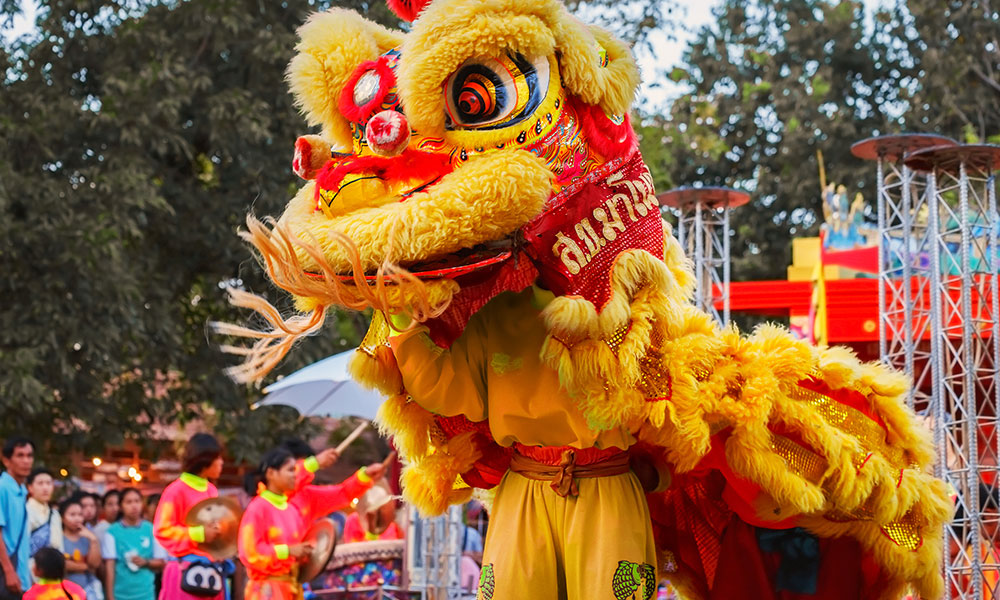

Chiang Mai, a cooler, more relaxed Chinese New Year 2026 with markets and culture
Chiang Mai suits travellers who want the celebration, but not the Bangkok intensity. February evenings are cooler up north, which makes walking between markets and temples far more comfortable. The city, with its rich cultural heritage, blends traditions well: Chinese New Year moments sit alongside Chiang Mai’s own northern character, rather than replacing it.
The main advantage is pace. A visitor can watch a lion dance, snack through street stalls, then retreat to a quieter lane without feeling like they’re leaving the event entirely. Capturing the essence of Amazing Thailand, these northern celebrations offer a uniquely relaxed vibe.
Due to high travel demand for this region during the festival period, and as a public holiday with potential business closures, specific 2026 timings can be confirmed late; it helps to keep an eye on broad festival calendars such as Thailand festival dates and updates, then check local pages and hotel notices once on the ground.
Chang Klan and the night markets, a simple plan for parades, snacks, and souvenirs
For an easy festival plan, many people aim for the Chinatown feel around Chang Klan Road and the nearby Night Bazaar area. This is a natural gathering point for lion and dragon dances, parades, lantern displays, stage performances, and street snacks that fit the season (sweet treats, grilled bites, dumplings, and fruit offerings).
It’s also family-friendly by design. There’s usually space to stand and watch, and it’s easier to step away when children get tired. Getting around is straightforward: songthaews handle short hops, and much of the action is walkable if staying near the Old City or Night Bazaar.
Old City temples and evening views, for a quieter way to join in
Chiang Mai’s Old City gives the season a different tone. Temples such as Wat Phra Singh and Wat Chedi Luang offer a calmer setting for merit-making. During the wider holiday period, some places and eateries may lean into vegetarian options and special dishes linked to personal observance.
For fireworks, the simplest safety rule is to watch only where it’s clearly permitted and managed. Unofficial firecrackers can appear, and crowded streets are not the place to take risks with sparks and smoke.
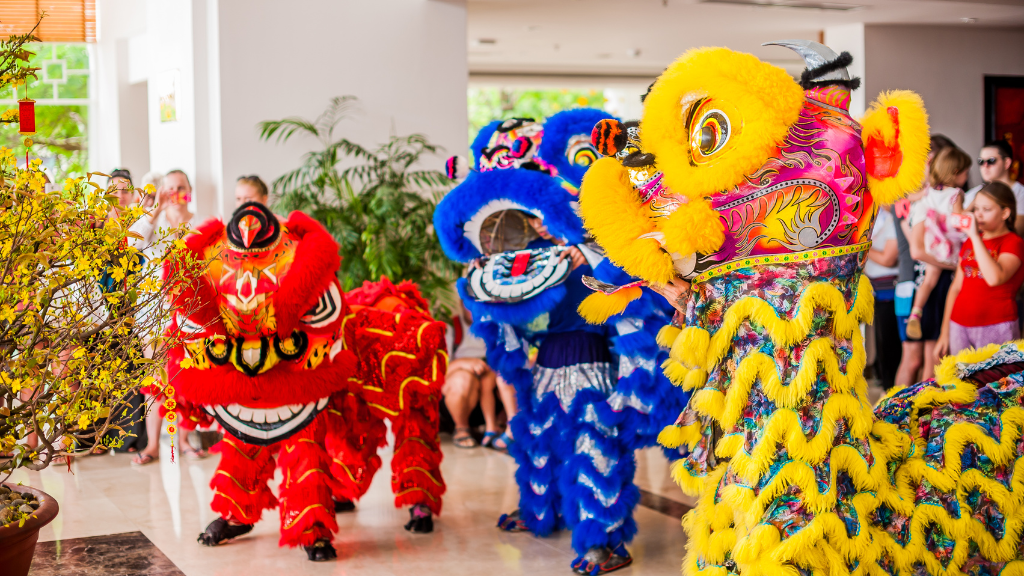

Chiang Rai, a smaller Chinese New Year 2026 with local charm and easy sightseeing
Chiang Rai is best for travellers who prefer a lower-key celebration compared to larger events in Nakhon Sawan, Suphan Buri, or southern provinces such as Hat Yai, and more time for daytime exploring. The city can still feel festive, with lanterns, community performances, and Thai-Chinese meals, but expectations should be set: it’s not built around a single massive street party.
This slower pace can be the point. Couples and small groups often enjoy having an unhurried dinner, a short walk through the busiest streets, then an early night before a day trip. Those visiting in mid-February can sometimes pair the holiday mood with seasonal events in town, such as the Chiang Rai Flower Festival 2026 dates, whichruns into February.
Chinatown streets and the Night Bazaar are best for an easy evening out.
A simple evening plan works well in Chiang Rai. Start at the Night Bazaar for food, then walk towards the brighter streets where lanterns and small performances gather attention, unlike the official events in major cities that highlight diplomatic relations. If fireworks are happening near the river, finishing with a riverside stroll can round out the night without much effort.
Because events can be smaller and more local, asking a hotel desk what’s on that night often produces the best, most current answer.
Temples and landmarks to combine with the festival, for a full-day itinerary
Chiang Rai is made for mixing festival time with sightseeing. Many visitors pair the holiday with early photos at Wat Rong Khun (the White Temple) to seek blessings of good fortune, then return to town before evening celebrations begin. Transport should be planned if staying outside the centre or traveling on a Travel Day between cities, as ride availability can thin out later in the evening.
For those who wanta wider context on how the holiday is marked across the country, the Chinese New Year Festival in Thailand is a useful reference point.

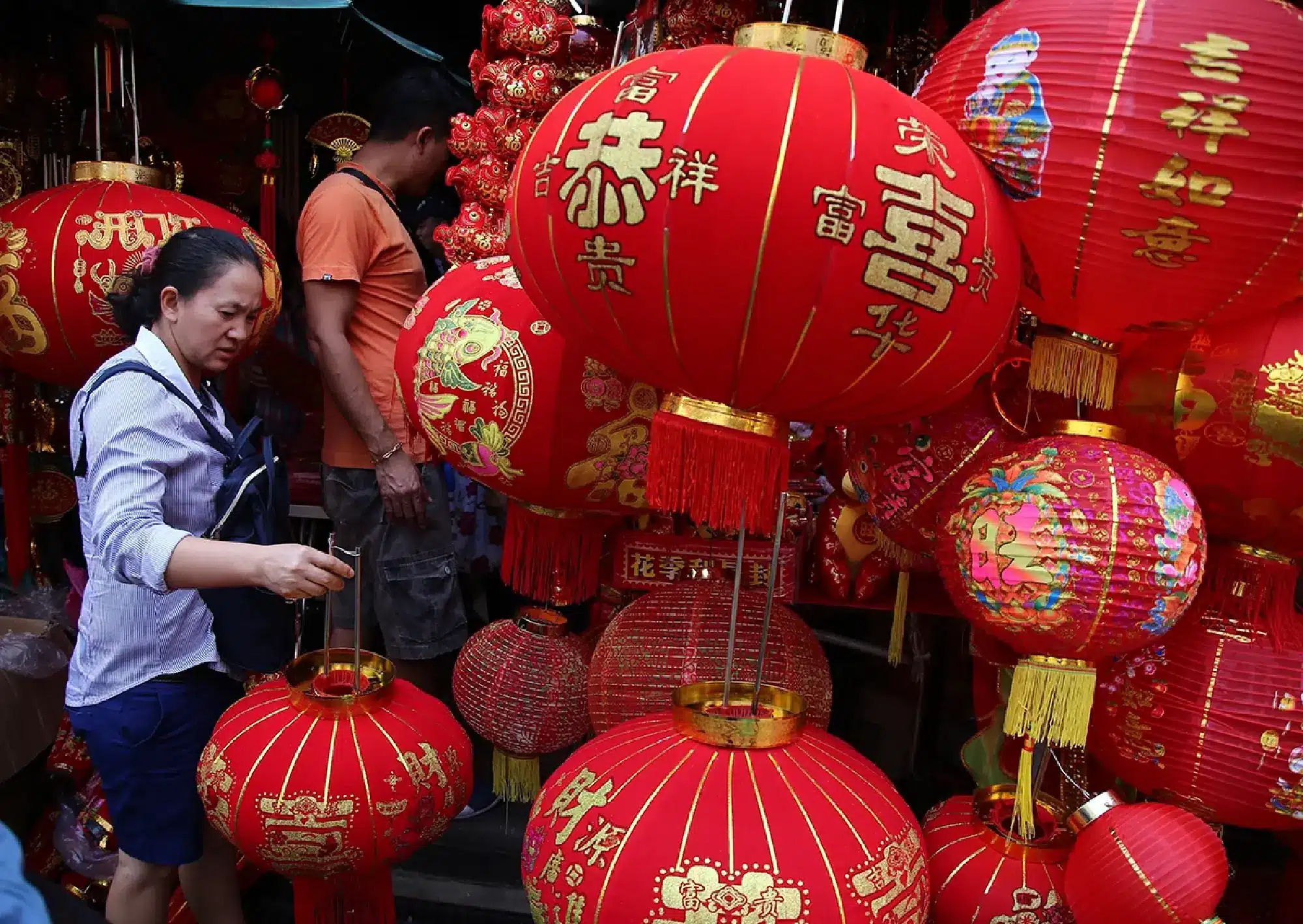
How to choose the best place to celebrate, plus simple planning tips for February 2026
Choosing a base comes down to the kind of trip being planned. Bangkok is loud, bright, and packed with food. Chiang Mai is walkable, cooler at night, and easier to pace. Chiang Rai is gentle and suits travellers who want culture by day and a small celebration after dark.
Quick match guide, which city suits each best
Bangkok suits travellers who want the biggest Chinatown experience and late-night street food. Chiang Mai suits those who want a calmer city break with festival touches and comfortable evenings. Chiang Rai suits travellers who prefer a small-town vibe, shorter queues, and time for temples and day trips.
Families often find Chiang Mai easiest for space and pace. Couples tend to enjoy Chiang Rai for its slower rhythm and sightseeing. Solo travellers usually pick Bangkok when they want maximum buzz and lots happening every hour.
Bookings, etiquette, and what to pack for the Chinese New Year 2026 in Thailand
Hotels should be booked early due to high travel demand for the public holiday week of 17 February 2026, especially near Chinatown in Bangkok and central areas up north. Traffic can be heavy, and some roads close near event zones, so public transport and walking plans help.
Cash is handy for street stalls. Comfortable shoes matter more than people expect. Red envelopes are common gifts during this time, which travelers might see in shops, and wearing red is optional, but it fits the mood. Up north, a light layer is useful after sunset.
For temples, modest clothing and calm manners keep visits respectful. Event details change, so check the Tourism Authority of Thailand and local announcements close to the date for confirmed programmes and any safety rules around fireworks or firecrackers.
Thailand offers more than one way to mark the Chinese New Year 2026 Thailand. Bangkok brings the biggest Chinatown crowds and the most food and noise. Chiang Mai keeps the Lunar New Year spirit strong, with cooler evenings and a more relaxed pace.
Chiang Rai offers a smaller celebration that pairs well with sightseeing. Planning around February 17, 202,6 works best, while leaving space for the spontaneous street moments that can’t be scheduled. Wishing you prosperity on your trip.